
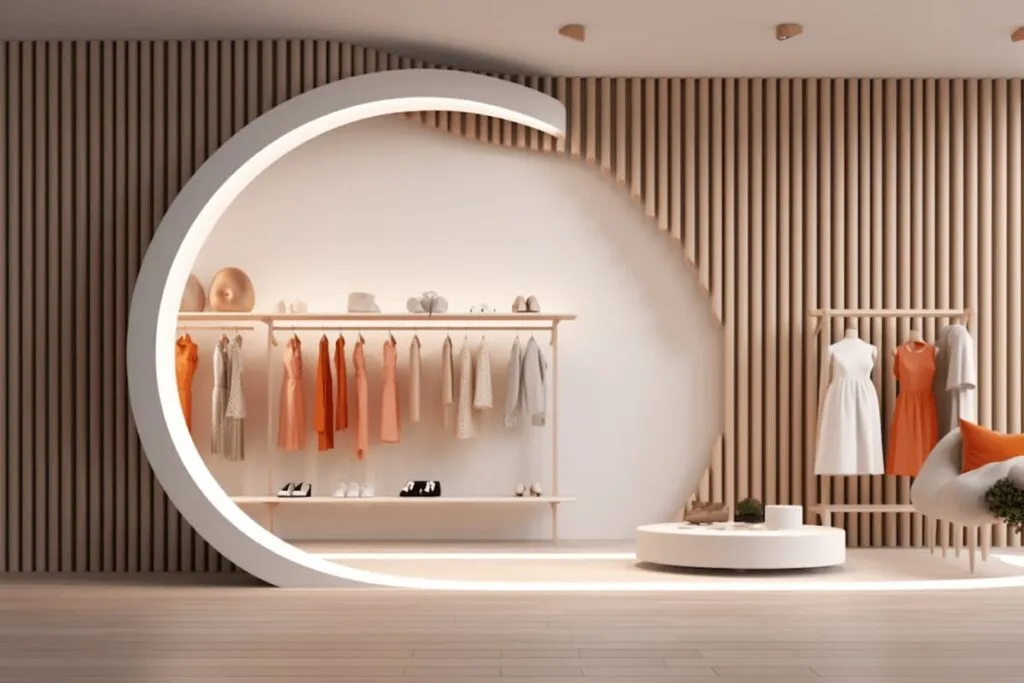
Shop Interior Design Principles: A Comprehensive Guide to Attracting Customers and Boosting Sales
Effective shop interior design is a crucial factor in the success of various businesses. A well-thought-out design not only enhances the store’s appearance but also improves customer experience and significantly increases sales. In this article, we delve into the fundamental principles of shop interior design that can help you create a functional, aesthetically pleasing, and customer-friendly space.
To create a standout store layout, it’s important to understand the principles of commercial architecture in Oman and how space planning influences customer experience.
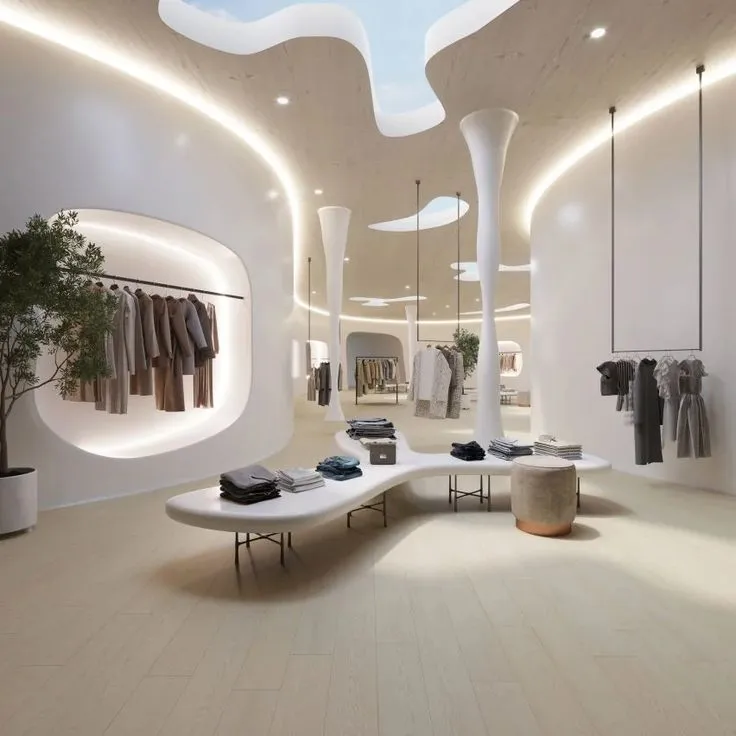
Why Is Shop Interior Design Important?
The shop’s interior is the first point of contact for customers upon entry. Appropriate design can:
- Attract Customers: A beautiful and professional space draws in customers.
- Increase Sales: Proper and precise product placement encourages purchases.
- Establish Brand Identity: An attractive decor reflects your brand’s personality and values.
- Enhance Customer Experience: A comfortable and functional space encourages customers to spend more time in the store.
Successful shop decoration relies on smart lighting, branding elements, and professional interior design in Oman that reflects the identity of the business.
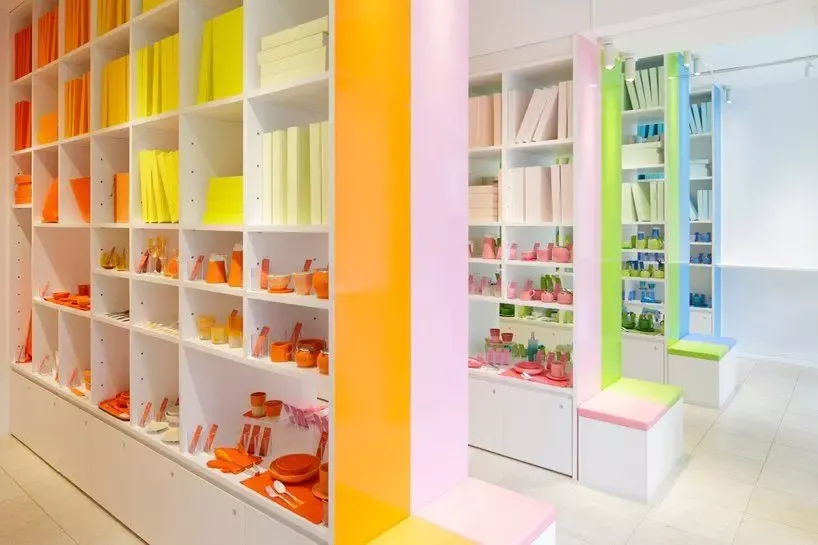
Key Principles of Shop Interior Design
1. Understand Your Target Audience
Before initiating the design process, identify your target customers. Are they young individuals or families? Are they seeking luxury items or everyday goods? Understanding their needs and preferences helps in designing a decor that meets their expectations. For example:
- Youth-oriented clothing stores often use bold colors and modern lighting.
- Organic product stores typically utilize natural colors and materials like wood.
2. Functional and Optimized Layout
The store layout should ensure:
- Easy Movement: Customers should navigate the store effortlessly.
- Product Accessibility: Popular and high-selling products should be placed in easily accessible and visible areas.
- Strategic Zones: Utilize areas near the entrance or checkout to display best-selling or discounted products.
Pro Tip: Implement the “Golden Triangle” rule in layout design. This triangle includes the entrance, key products, and the checkout counter, designed to naturally guide customers towards making purchases.
3. Appropriate Lighting
Lighting is a vital element in shop and store interior design. Proper lighting can highlight products and create a pleasant atmosphere. Consider the following:norcointerior.com
- General Lighting: Illuminates the entire space.
- Focused Lighting: Highlights specific products, such as display windows or special shelves.
- Decorative Lighting: Adds a unique ambiance, like pendant lights or colored lights.
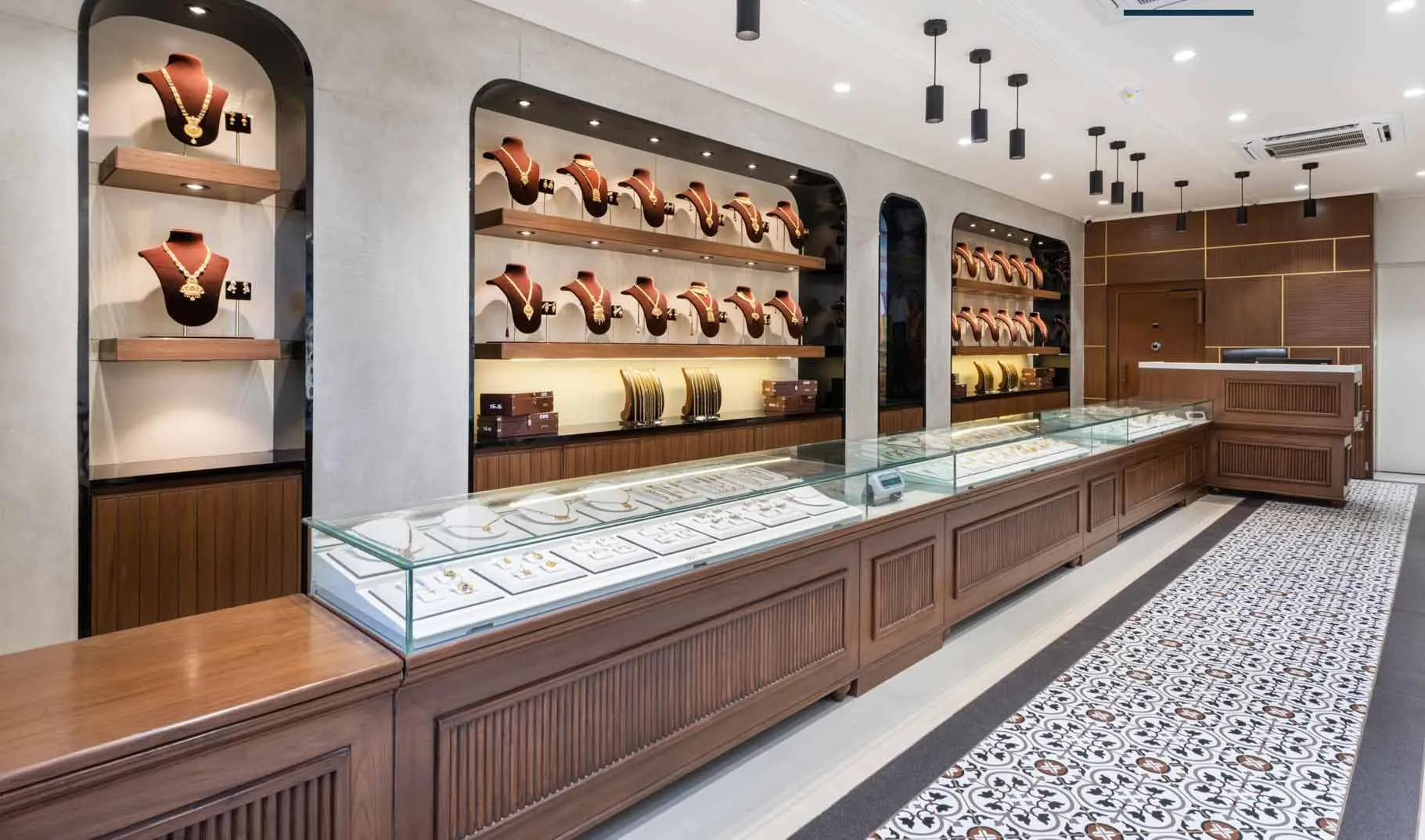
Example: In a jewelry store, focused lighting on products enhances the sparkle of the jewelry.
4. Suitable Color Selection
Colors significantly impact customer emotions. For instance:norcointerior.com
- Red and Orange: Evoke excitement and are suitable for announcing discounts.
- Blue and Green: Convey calmness and trust, ideal for health or beauty stores.
- White and Gray: Provide a modern, clean, and organized appearance.
Chosen colors should align with your brand identity. For a luxury brand, gold, black, or white are effective choices.
5. Attractive Display Windows
The store’s display window is a crucial point of customer interaction. An effective display should:en.wikipedia.org
- Tell the Brand Story: Convey the brand message through products and visual elements.
- Be Seasonal: Update the display according to seasons or occasions (e.g., Nowruz or Christmas).
- Be Simple and Focused: Avoid clutter to draw attention to main products.
6. Use of High-Quality Materials
Materials used in shop decor should match your business type and budget. High-quality materials enhance durability and customer perception.
7. Attention to Branding Details
The shop’s decor should reflect your brand identity. Incorporate your logo, slogan, and visual elements into the design.
- Place the brand logo at key points like the entrance or main wall.
- Use fonts and colors consistent with your brand’s visual identity.
8. Comfortable Space for Customers
Customers should feel comfortable in your store. This includes:
- Adequate Space for Movement: Avoid overcrowding the space.
- Comfortable Seating: If possible, provide a resting area for customers.
- Proper Ventilation: Maintain a suitable temperature and fresh air to encourage customers to stay longer.
Importance of Display Windows
A shop’s display window acts as a live advertisement, conveying your products’ identity, style, quality, and type without words. Customers decide within seconds whether to enter the store based on the display.
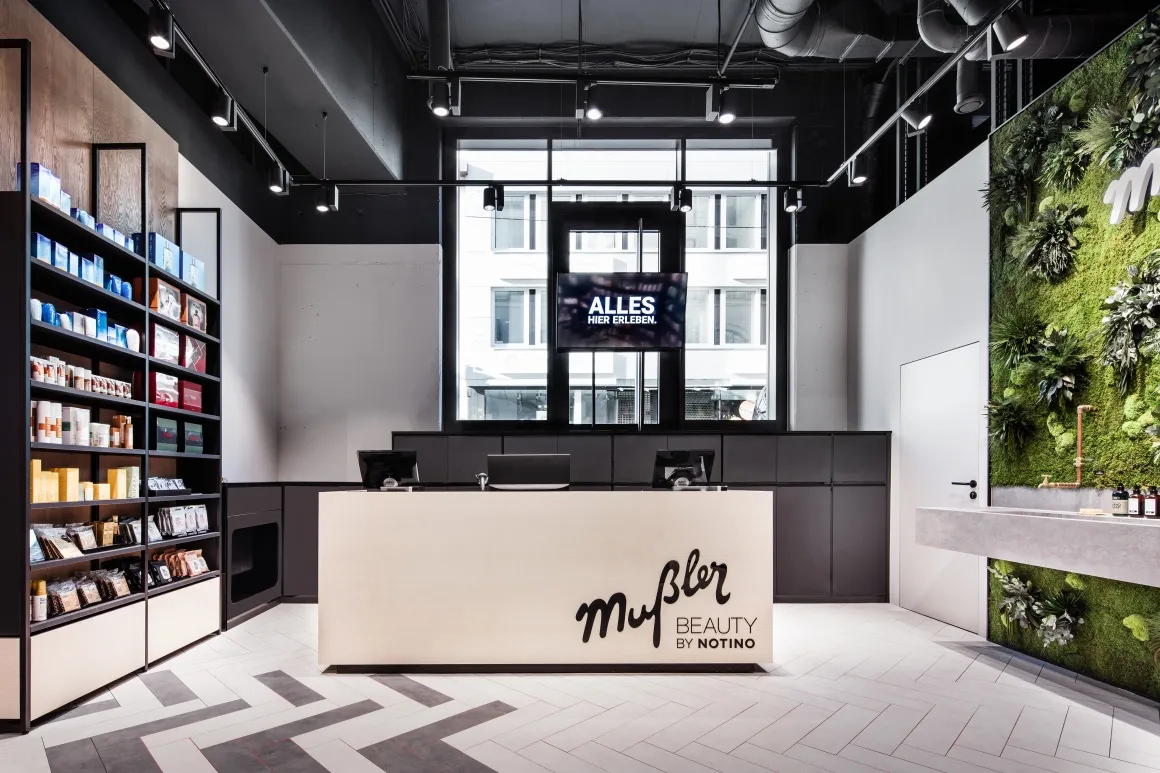
Designing the Shop Entrance: The First Step to Attract Customers
The shop entrance serves as the boundary between the outside world and your store’s interior—a place where customers decide within seconds whether to enter. The entrance design should not only attract passersby but also encourage them to enter and explore the store.
To professionally design the entrance:
- If your store is luxurious, the entrance should convey a sense of exclusivity and prestige. Conversely, if it’s discount-oriented or everyday, the design should be warm, simple, and inviting.
- Avoid excessive product placement or clutter at the entrance, as it can create a sense of pressure or crowding, deterring customers from entering. The area in front of the door should be clear, well-lit, and pleasant.
- Install the store’s logo or name directly above the door or within the customer’s line of sight. The sign’s font, color, and lighting should be legible and match the decor style.
- Placing a large plant, decorative mirror, or distinctive flooring at the entrance can cause passersby to pause and pay more attention; this brief pause can sometimes lead to customer entry.
Designing the Checkout Area: Key to Management and Customer Trust
The checkout area is not only the place for payment and purchase management but also the final point of interaction between the customer and your brand. Proper design of this space significantly impacts service speed, reduces congestion, and increases customer satisfaction. It also holds importance in terms of financial security, operational order, and aesthetic appeal.
Important considerations for designing the checkout counter and area:
- The checkout area is usually best located near the exit, allowing customers to complete their purchases and leave the store without confusion.
- The counter height is typically between 90 to 110 cm, enabling customers to make payments comfortably without bending or stretching. The counter width should accommodate the POS machine, monitor, cash drawer, and customer items.
- Behind the counter, there should be enough space for staff movement, equipment placement, drawers, shelves, or even a small safe. Electrical and network cabling should be safely and discreetly routed.
- Adjacent to the checkout, small shelves can be used for ancillary products, bestsellers, or suggested items, providing opportunities for impulse purchases.
- The checkout design should allow staff to monitor the entrance and interior space while preserving customer privacy and financial security. Installing CCTV cameras in this area is also necessary.
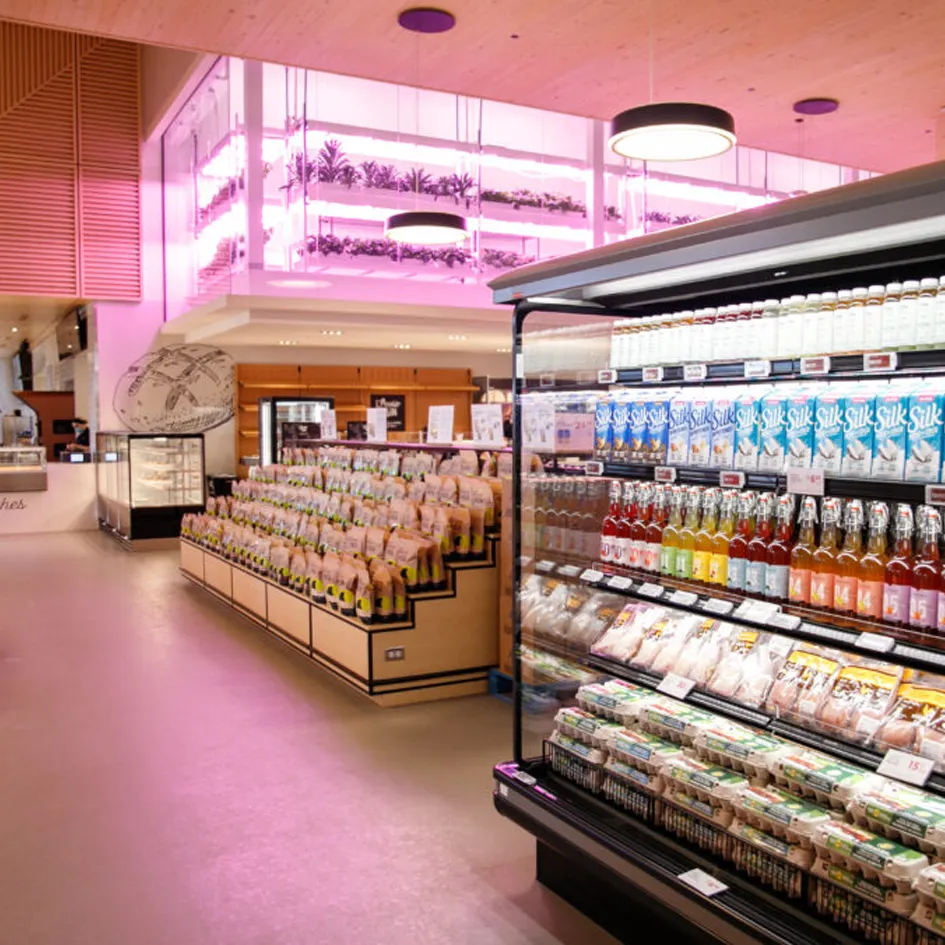
Important Considerations for Store Security Design
- Install cameras at the entrance, checkout, display windows, and blind spots.
- Choose high-resolution cameras with night vision capabilities.
- Design camera placements to be either concealed or visible, matching the decor style.
- Use alarm systems, digital locks, and safes for documents or cash.
We at Bunyan Architecture Group consider security an integral part of shop interior design and plan a safe and professional space by integrating security systems with interior design.
How Is Shop Decor Pricing Determined?
The cost of designing and implementing shop decor depends on various factors and cannot be standardized for all projects. The final cost results from the combination of your needs, desired style, materials used, and project dimensions.
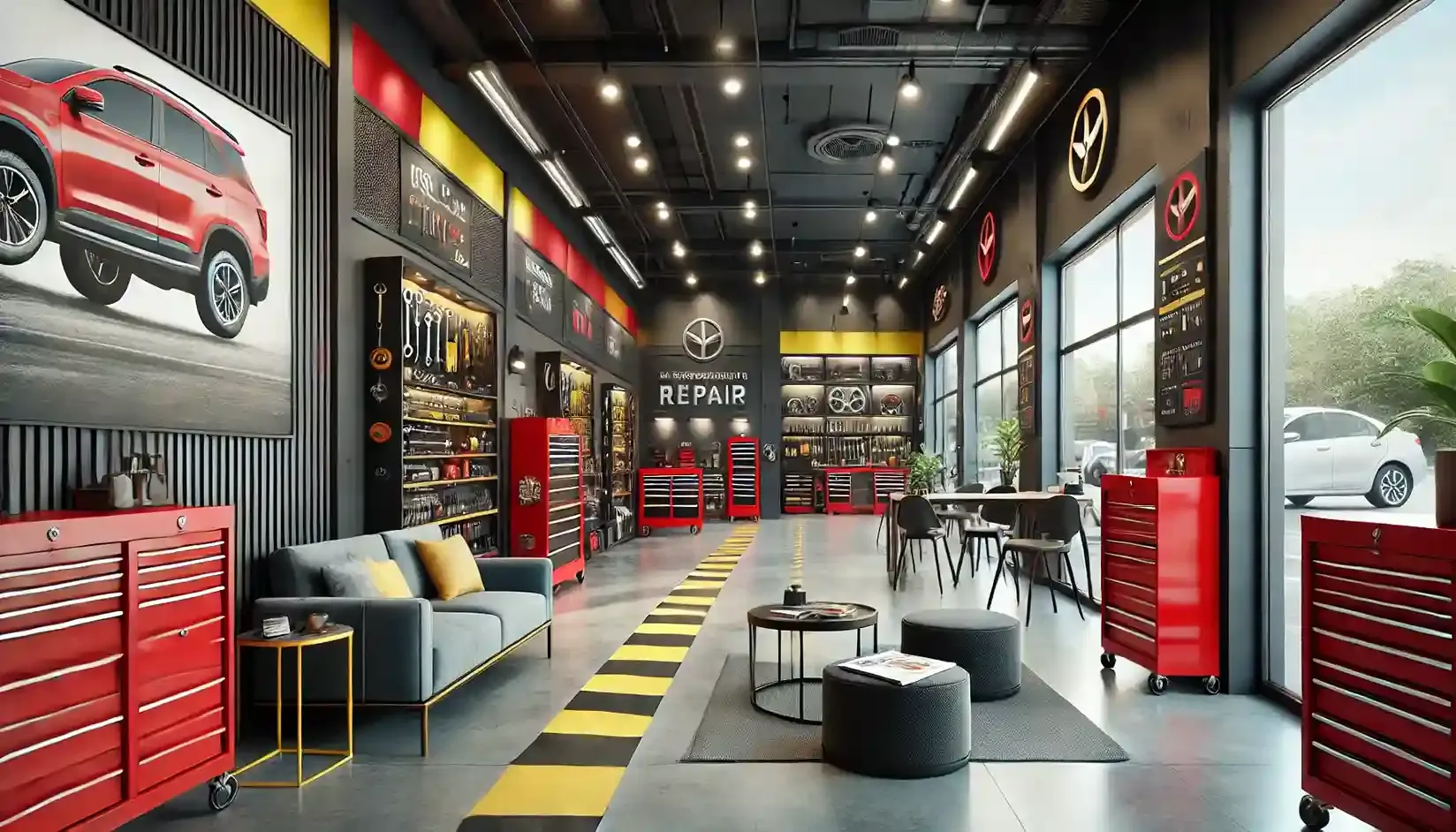
Diverse Materials in Shop Interior Design: Choices Based on Style, Functionality, and Budget
One of the most important aspects of shop interior design is selecting suitable materials for the floor, walls, ceiling, counter, shelves, and display windows. Materials not only contribute to aesthetics but also affect durability, cleanliness, customer perception, and even pricing understanding.
Free Flow Layout in Store Interior Design: Flexibility Serving the Shopping Experience
In the Free Flow Layout method, store elements are arranged without a strict pattern or mandatory paths, aiming to create a pleasant, fluid, and exploratory space for customers. This approach is commonly used in luxury stores, boutiques, art