
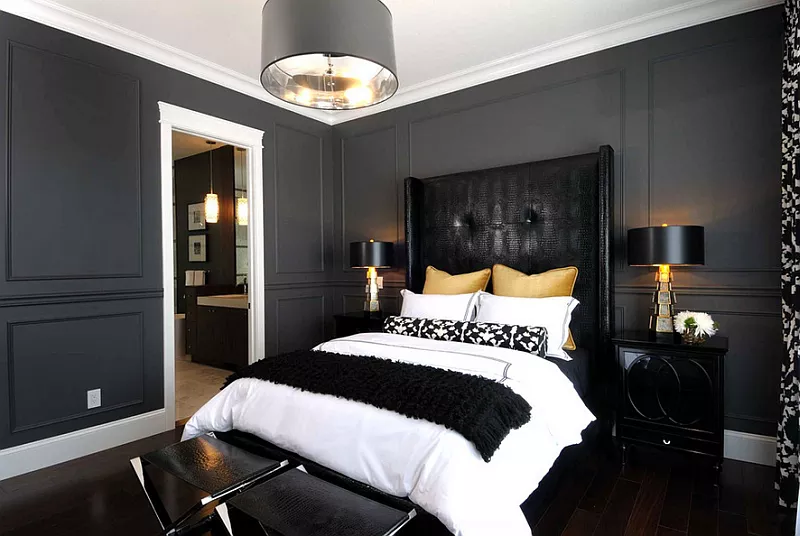
The importance of dark color in decoration | A Strategy for Beauty and Identity Enhancement
Colors add a visual appeal to spaces and have a profound effect on our emotions and atmosphere. Among various colors, dark shades have always been recognized as symbols of power, sophistication, and tranquility. If you want to make your home or workspace more distinctive and attractive, incorporating dark colors can be the perfect solution. In this article, we will explore the importance of dark colors in interior design, their various applications, and how they can enhance different spaces.
Understanding Dark Colors and Their Characteristics
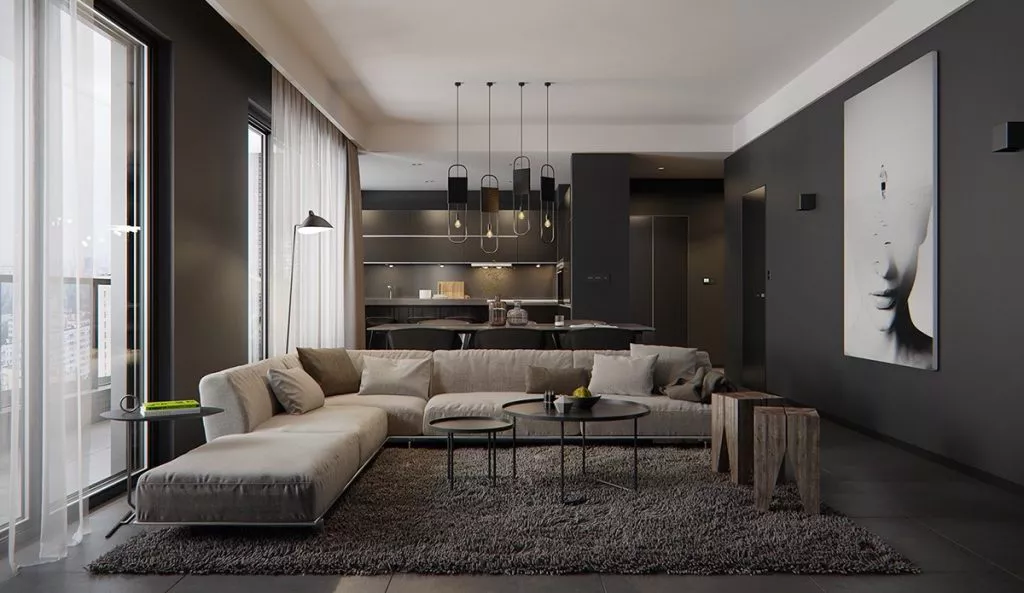
Dark colors encompass a wide range of hues, including black, deep gray, burnt brown, and navy blue, which are highly popular in interior design. These colors create depth, establish visual focus, and enhance a sense of intimacy in a space. Contrary to common misconceptions, when used correctly, dark colors can make a space feel more elegant and unique.
Psychological and Emotional Effects of Dark Colors
Dark colors have a significant impact on human emotions. Some of their key effects include:
- A Sense of Calm and Serenity – Dark colors create a more peaceful ambiance, making them ideal for relaxation.
- A Feeling of Strength and Elegance – Colors like black and dark gray add character and depth to a space, making it appear more refined.
- Improved Focus and Reduced Distractions – Dark colors help eliminate distractions, making them perfect for workspaces and study areas.
Why Are Dark Colors Important in Interior Design?
- Enhancing Warmth and Comfort
Unlike the common belief that dark colors make spaces feel cold and gloomy, when applied correctly, they can enhance warmth and intimacy. This is especially beneficial during the colder months, as dark colors provide a visually cozy environment.
- Creating a Luxurious and Stylish Look
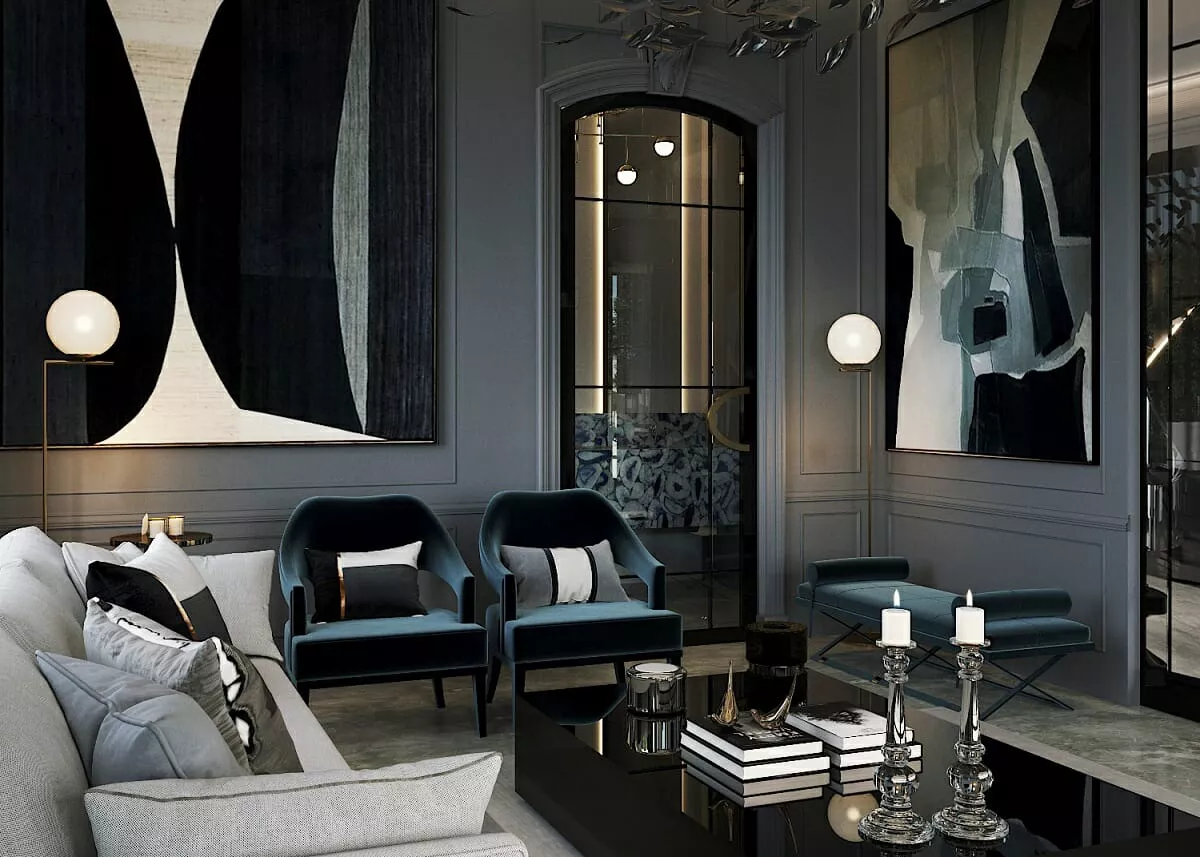
Dark colors symbolize luxury and modernity. Incorporating matte black or deep gray in furniture, walls, or decor elements instantly makes an interior feel sleek and sophisticated. These shades are also associated with elegance and depth in interior design.
Combining Dark Colors with Other Shades for a Balanced Interior
Dark colors can be easily paired with various tones to create striking contrasts. For example:
- Dark hues with neutral tones like white or beige produce an elegant contrast.
- Dark shades with gold or metallic accents add a luxurious and radiant feel to any space.
Application of Dark Colors in Different Areas of a Home
Dark Colors in Living Rooms
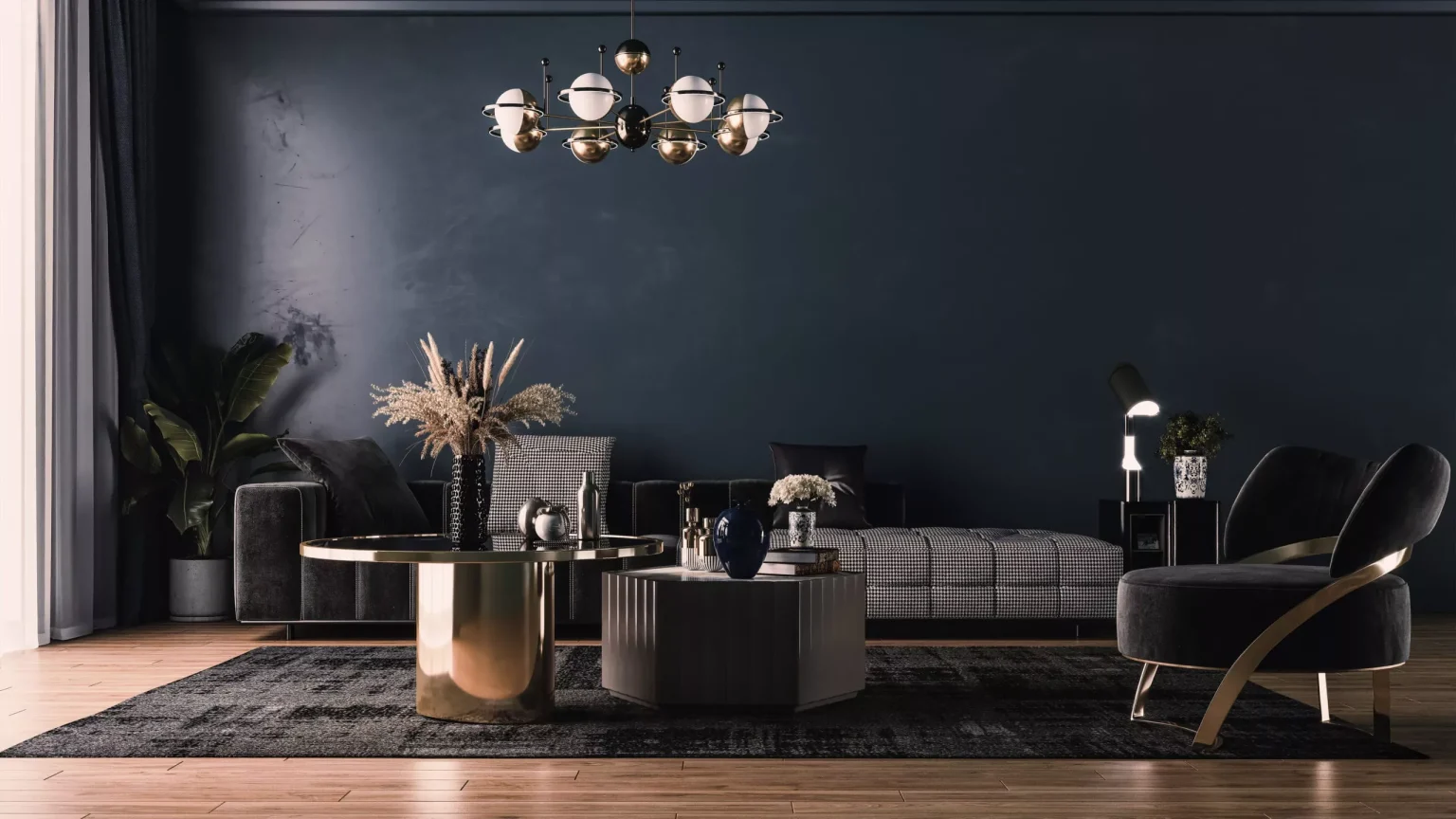
The living room is a central space in any home and deserves special attention. Using dark walls or furniture in this area can create a warm and inviting environment. When combined with proper lighting, dark colors can make the space appear more luxurious and intimate.
Tips for Using Dark Colors in a Living Room:
✔ Dark-colored walls paired with light-colored sofas for a balanced look.
✔ Dark elements combined with textured, bright rugs to add contrast.
✔ Metallic and gold accents with dark tones to enhance elegance.
Dark Colors in Bedrooms: A Relaxing Retreat
Bedrooms are meant for rest and relaxation, and dark tones can contribute to a stress-free, peaceful ambiance. Navy blue or deep gray walls help reduce stress levels and improve sleep quality.
How to Incorporate Dark Colors in a Bedroom:
✔ Dark accent wall behind the bed to create a focal point.
✔ Dark tones paired with light bedding and white decor to maintain balance.
✔ Soft lighting to enhance warmth and coziness.
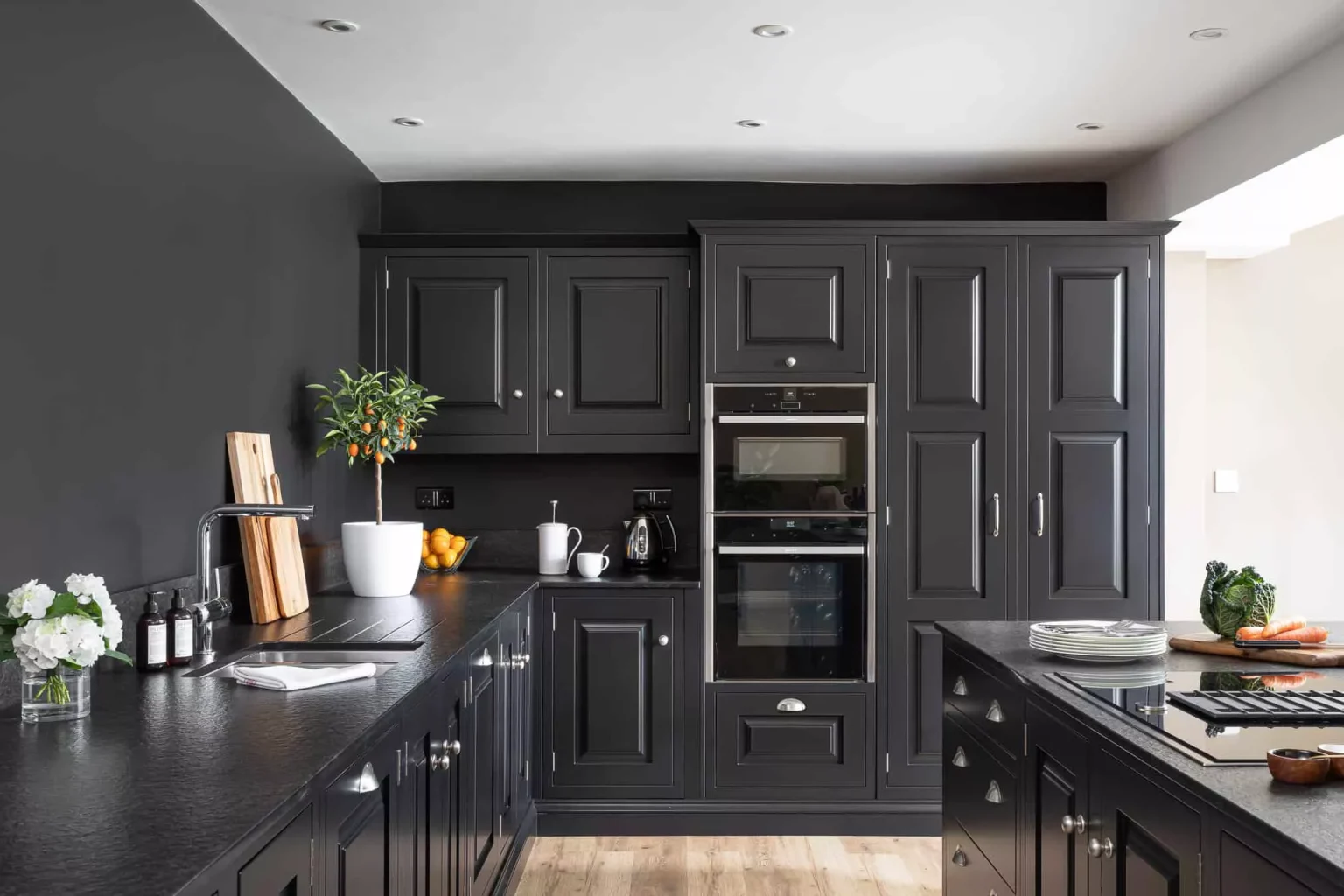
Dark Colors in Kitchens: A Bold and Modern Choice
Modern kitchens are increasingly embracing dark color schemes. Matte black or deep gray cabinets create a sleek and stylish look. Additionally, dark tones help conceal stains and smudges, making maintenance easier.
Ideas for Using Dark Colors in Kitchens:
✔ Matte black cabinets combined with light countertops for contrast.
✔ Dark hues paired with stainless steel or silver appliances for a contemporary feel.
✔ White or light wood flooring to balance the darkness.
The Role of Dark Colors in Commercial and Office Spaces
Enhancing Focus in Work Environments
Dark shades like gray, black, and navy blue can create a visually calm and focused atmosphere in workspaces. These colors reduce distractions, making them ideal for executive offices, conference rooms, and creative spaces.
Additionally, dark-colored walls or ceilings can provide a sense of enclosure and concentration, helping employees stay engaged and boosting productivity. This approach is especially effective in modern and minimalist office designs.
Establishing Brand Identity with Dark Colors
Dark colors play a powerful role in shaping a brand’s visual identity. Many luxury brands and corporate businesses use black, gray, and deep hues to convey authority, trust, and professionalism.
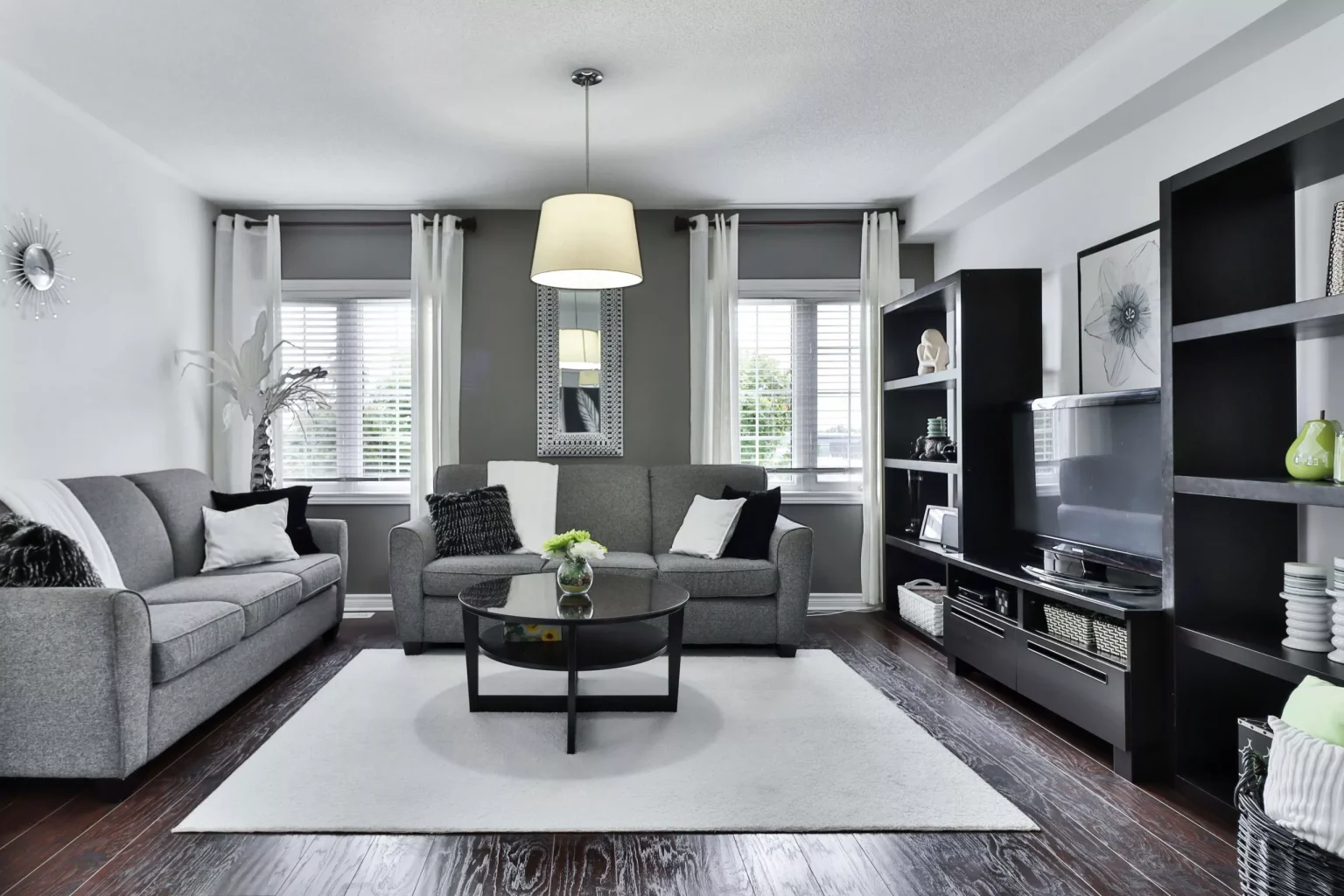
For example, an office with matte black furniture and deep gray walls can give clients a sense of stability and confidence.
Incorporating dark shades in office interiors not only reinforces brand identity but also creates a cohesive and professional atmosphere.
Key Considerations When Using Dark Colors in Interior Design
Choosing the Right Dark Tones Based on Lighting
Lighting is a crucial factor in successfully integrating dark colors into interior design.
- In spaces with ample natural light, dark colors create a balanced and modern look.
- In low-light spaces, using proper artificial lighting prevents the area from feeling dull or overwhelming. Ceiling lights, wall sconces, and table lamps can enhance dark shades and make them visually appealing.
Balancing Dark and Light Colors in a Space
Excessive use of dark colors may make a room feel small and enclosed. To prevent this:
✔ Pair dark walls with light-colored furniture for a modern, balanced look.
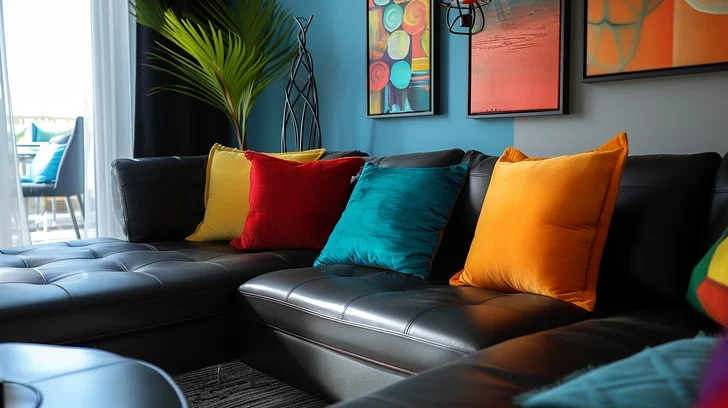
✔ Use bright rugs, colorful cushions, or white decorative items to create contrast.
Smart Ways to Use Dark Colors in Furniture and Decor
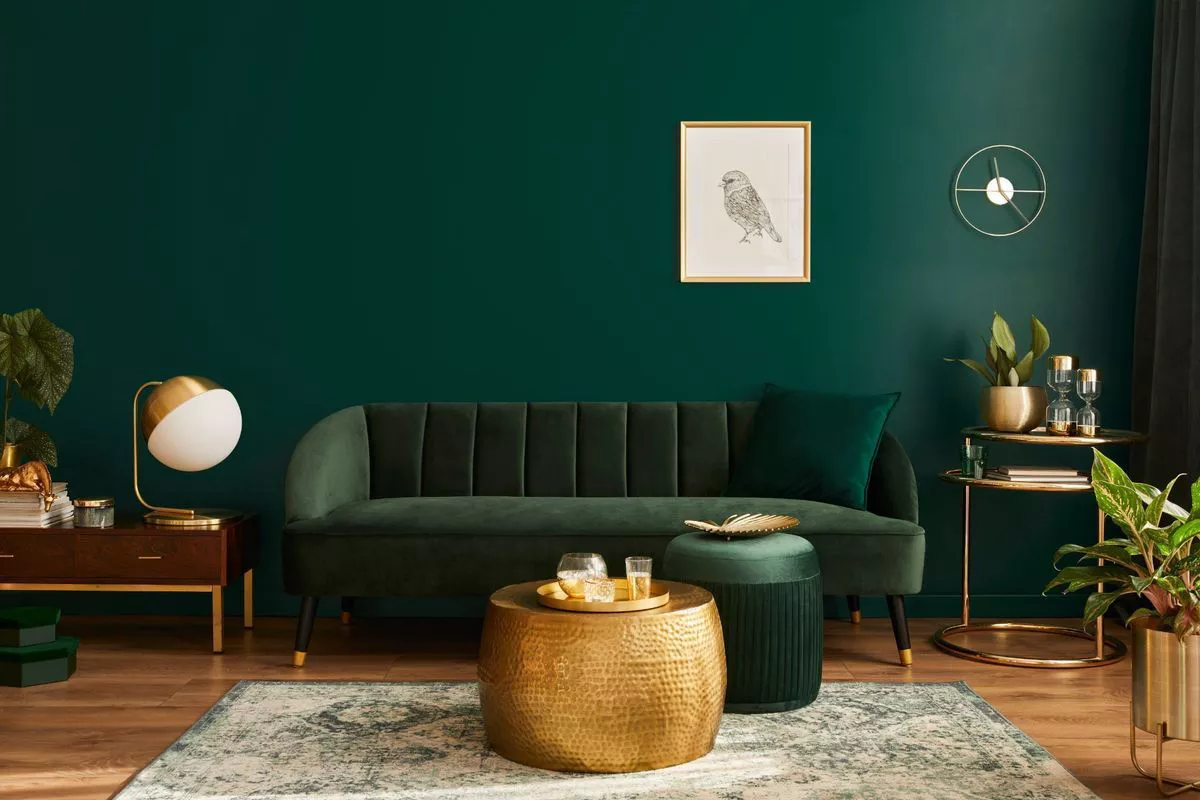
Dark colors can serve as a focal point in a space. Some creative ways to integrate them include:
✔ Black or deep gray leather furniture paired with light wood tables.
✔ Dark curtains alongside light-colored walls.
✔ Black metal shelves in minimalist interior designs.
These combinations allow for a thoughtful and stylish use of dark shades.
Challenges and Considerations When Using Dark Colors in Interior Design
Managing Small Spaces with Dark Colors
One common challenge of using dark colors is that they can make small spaces feel enclosed. To counter this:
✔ Use proper lighting to brighten the area.
✔ Combine dark walls with lighter ceilings and floors for balance.
✔ Incorporate mirrors to reflect light and make the space feel larger.
Overcoming Lighting Issues in Dark-Colored Spaces
Since dark colors absorb light, it’s essential to implement smart lighting solutions such as:
✔ LED lights with warm and white tones for better brightness.
✔ Hidden ceiling and wall lighting to subtly illuminate the space.
✔ Accent lighting to highlight key furniture and decor elements.
Key Tips for Coordinating Dark Colors with Other Decorative Elements
Combining Dark Colors with Different Materials & Textures
Pairing dark colors with various materials adds depth and variety:
✔ Wood – Dark tones contrast beautifully with light wood, adding warmth.
✔ Metals – Gold or silver metals paired with dark colors create a luxurious aesthetic.
✔ Fabrics – Dark velvet or natural leather elements add a rich and sophisticated touch.
Proper Lighting to Highlight Dark Colors
Effective lighting is the key to making dark colors shine. Consider:
✔ Wall and pendant lights to emphasize dark shades.
✔ Spotlighting to highlight furniture and decor details.
✔ Warm-toned lighting to create a cozy and inviting atmosphere.
Final Thoughts on Using Dark Colors in Interior Design
Dark colors in interior and commercial spaces have a transformative impact on beauty, brand identity, and user experience. By considering factors such as lighting, color balance, and material coordination, it’s possible to create luxurious, modern, and captivating interiors.
Do you use dark colors in your interior design? Share your experiences and ideas with us!