
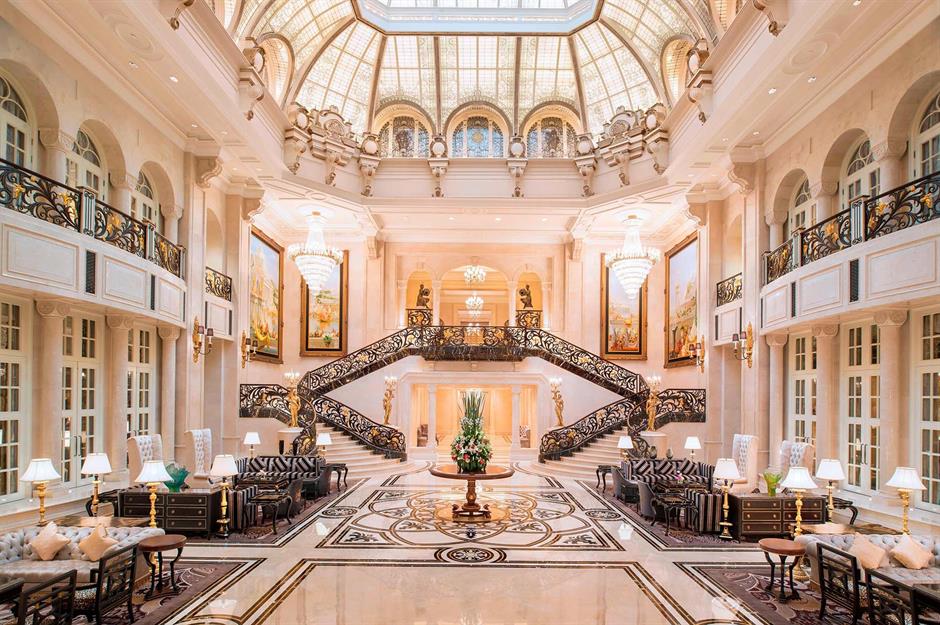
Principles of Hotel Design and Construction
Designing and constructing a hotel goes beyond a typical building project, requiring meticulous planning, an understanding of guests’ needs, and adherence to international standards. The principles of hotel design combine aesthetics, functionality, and comfort, which must be reflected across all areas—from the lobby to guest rooms, restaurants, and public spaces. Selecting an architectural style, using high-quality materials, implementing proper lighting, and ensuring functional design are among the most critical principles that contribute to a memorable guest experience.
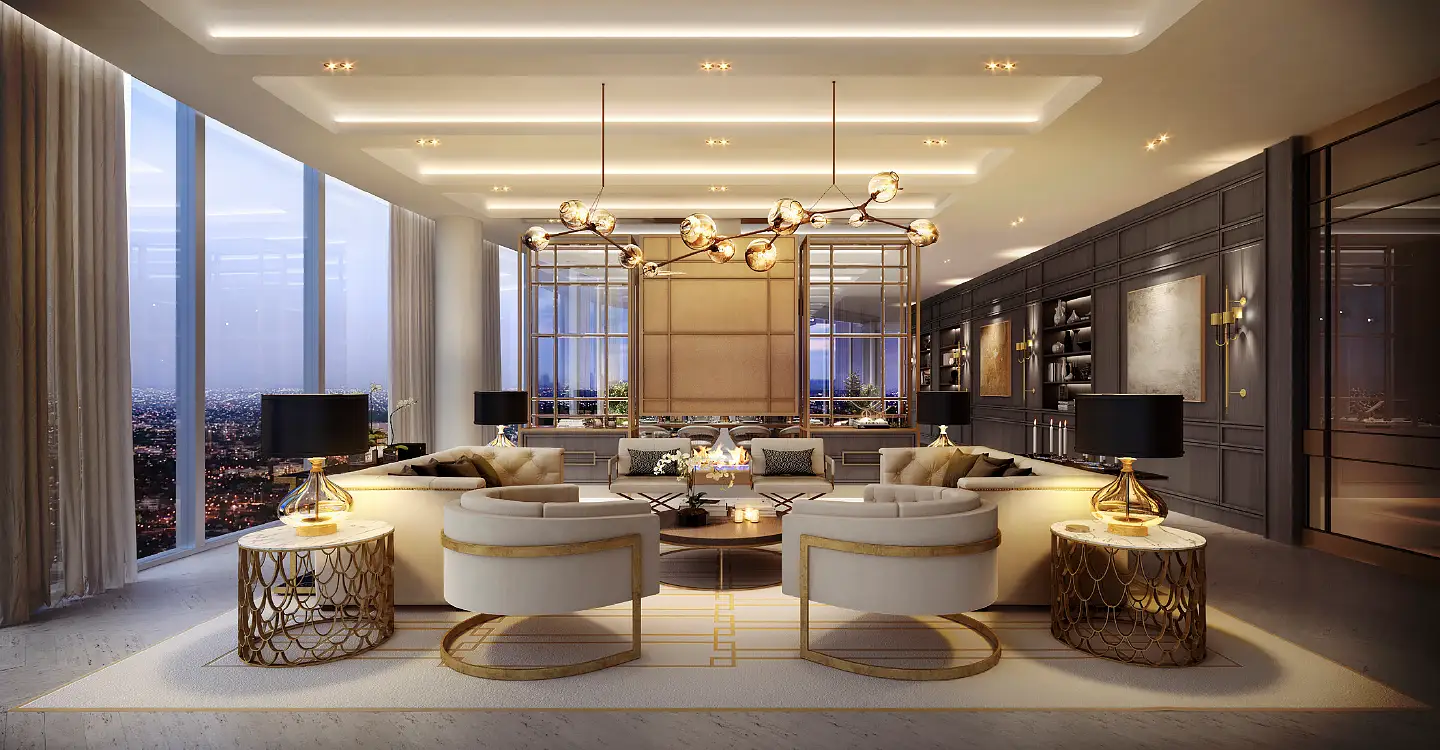
Hotel Design Principles
The interior design and architecture of a hotel should create a sense of calm and comfort for guests. Some of the key principles of hotel design include:
- Consistency between interior spaces and the overall architectural style of the hotel.
- Compliance with ergonomic standards and guest comfort.
- Use of durable and unique materials.
- Provision of natural light and adequate ventilation throughout the environment.
- Development of multi-purpose spaces to enhance guest convenience.
Hotel Facade: A Visually Striking First Impression
The hotel facade is the first factor influencing guest attraction. It must not only be visually appealing but also blend seamlessly with its surroundings. Key standards for designing a hotel facade include:
- Utilization of modern, resilient materials such as glass, metal, and stone.
- Professional lighting to enhance the hotel’s nighttime aesthetics.
- An entrance and canopy design that aligns with the building’s architectural style.
- Coordination between the facade, interior style, and services tailored to the target audience.
How Is a Hotel Floor Plan Designed?
The arrangement of spaces and the placement of different hotel sections directly impact the guest experience. The floor plan should be designed to ensure easy access, reduce unnecessary movement, and maximize space efficiency. Key features of an effective floor plan include:
- Separation of staff and guest pathways.
- Strategic placement of the lobby, reception, and elevators.
- Room layouts designed for optimal natural light and scenic views.
- Inclusion of recreational and service areas across various sections.
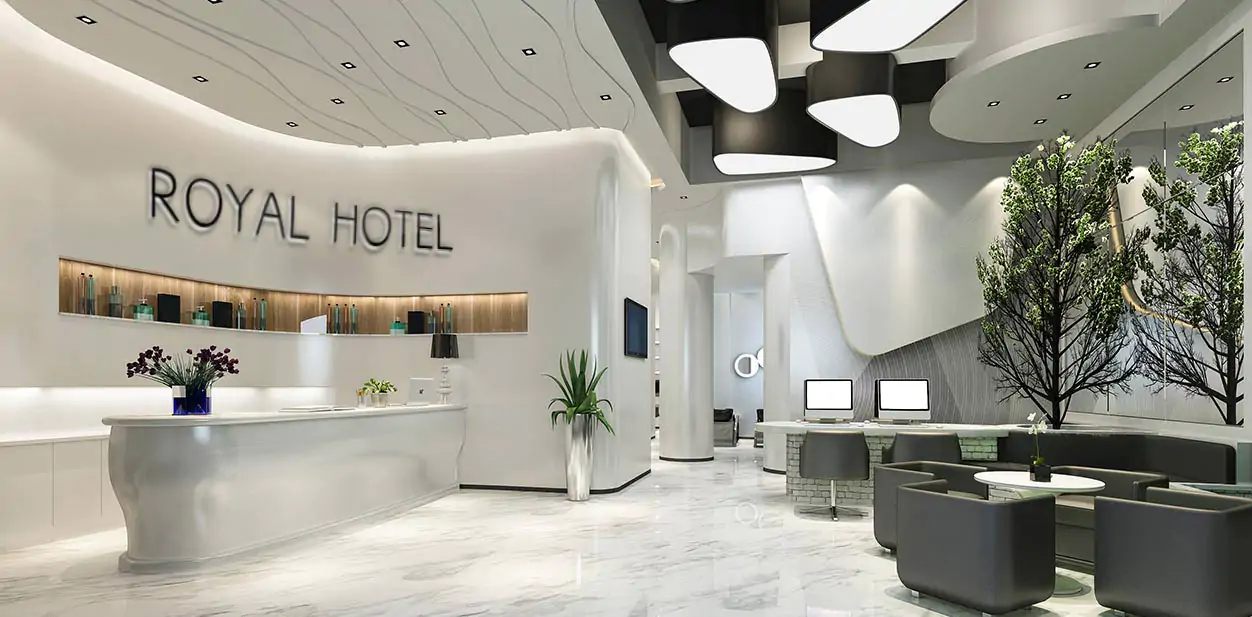
Choosing the Right Location for Hotel Construction
The location of a hotel significantly affects its appeal to guests. Critical factors in selecting a suitable site include:
- Proximity to tourist attractions, airports, and transportation hubs.
- Assessment of urban accessibility and practical amenities.
- Consideration of local climate conditions and their influence on building design.
- Potential for future development and expansion.
Suitable Materials for Hotel Design and Construction
Selecting the right materials is a crucial aspect of hotel design and construction, impacting durability, aesthetics, and functionality. Important considerations include:
- Use of wear- and moisture-resistant materials in high-traffic public areas.
- Premium flooring and wall coverings to minimize maintenance costs.
- Double-glazed windows for energy optimization.
- Harmonized colors and textures to create a luxurious, calming atmosphere.
Stages of Hotel Construction and Interior Design
Building a hotel involves multiple stages, each requiring precise and professional planning. These stages are:
- Preliminary Studies and Feasibility: Market research, competitor analysis, and site selection.
- Conceptual Design and Space Planning: Defining the architectural style, hotel capacity, and required spaces.
- Technical and Executive Design: Preparing architectural, structural, and utility plans for all areas.
- Permits and Financing: Obtaining legal permits and securing funding.
- Construction and Supervision: Executing the project with rigorous quality and timeline oversight by an experienced manager.
- Furnishing and Launch Preparation: Interior decoration, staff recruitment, and opening ceremony.
Careful Selection of Hotel Location
Choosing an ideal location is one of the most vital factors in ensuring a hotel project’s future success. Factors such as proximity to tourist attractions, commercial centers, airports, and transportation hubs directly influence guest turnout. Additionally, climate conditions, geological factors, urban infrastructure access, and local regulations must be evaluated during planning. The region or neighborhood where the hotel is built affects its architectural style, target audience, and construction and operational costs.
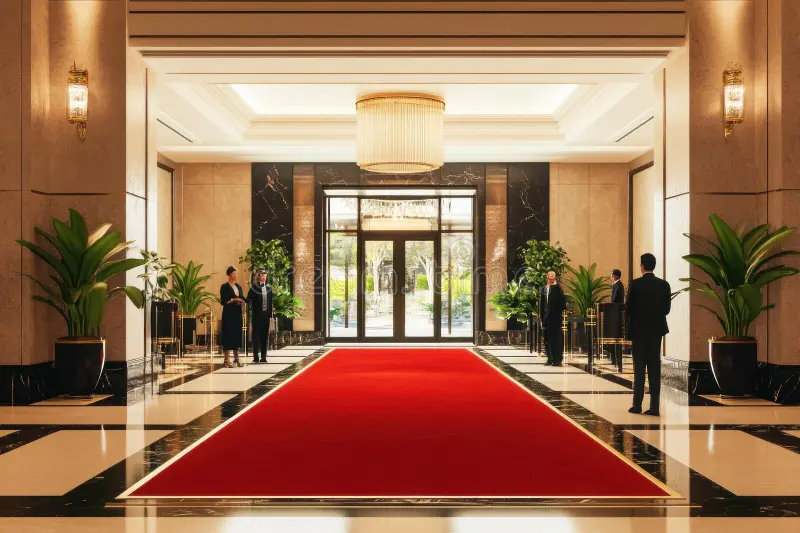
Assessing the Hotel Site Conditions
Before construction begins, geological and environmental studies by the project team are mandatory. These reports should address:
- Topography: Land slope, soil stability, and groundwater levels.
- Urban Infrastructure Access: Availability of utilities like electricity, gas, water, and sewage.
- Building Regulations: Height restrictions, environmental codes, and local urban policies.
- Environmental Impact Analysis: Assessing the project’s ecological footprint and proposing mitigation measures.
Hotel Landscape Design
The hotel’s outdoor area plays a pivotal role in creating a positive first impression for guests. Landscape design should inspire a sense of invitation, tranquility, and beauty. Key elements include:
- Walkways and green spaces with climate-appropriate plants aligned with the overall design.
- Elegant nighttime lighting for aesthetics and security.
- Water features, fountains, or artificial ponds to enhance visual appeal.
- Strategic placement of parking and entry/exit routes based on the site layout.
Benefits of Designing Hotel Outdoor Spaces
A professionally designed outdoor space can significantly boost guest satisfaction. Benefits include:
- A visually delightful experience that conveys exclusivity.
- Enhanced guest comfort with outdoor seating in natural surroundings.
- Attracting more customers through a photogenic, marketable environment.
- Energy efficiency via plant coverage that reduces building heat.
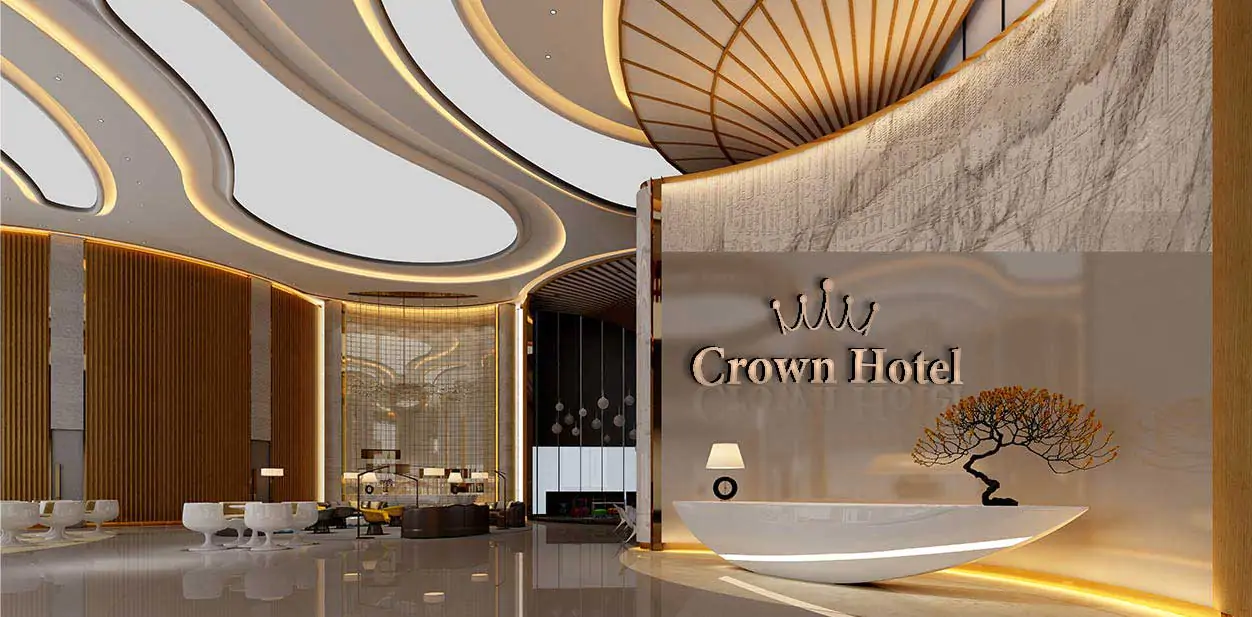
Hotel Lobby Design
The lobby is a critical space in shaping the guest experience, as it’s the first indoor area they encounter upon arrival. Its design should evoke feelings of welcome, comfort, and luxury. Key considerations include:
- Soft, natural lighting to create a soothing ambiance.
- Comfortable, functional furniture that complements the hotel’s design.
- Eye-catching decorative elements like unique chandeliers, artistic walls, and varied flooring.
Principles of Lobby Design
An effective and attractive lobby should adhere to specific principles:
- Brand Identity: Reflecting the hotel’s character and style (luxury, modern, traditional, minimalist, etc.).
- Functional Zoning: Designated areas for reception, relaxation, brief meetings, and a coffee shop.
- Indoor-Outdoor Connection: Large windows or semi-open spaces linking to the exterior.
- Optimized Traffic Flow: Clear, uncluttered pathways to elevators, restaurants, and other hotel sections.
Hotel Interior Design
Hotel interior design must balance aesthetics, comfort, and functionality. Key aspects to consider include:
- Distinctive, cohesive color schemes that promote comfort and align with the hotel’s identity.
- Thoughtful furniture selection and placement for both beauty and ergonomics.
- High-quality, durable materials resistant to wear and frequent use.
- Smart lighting adjustable to suit various spaces (rooms, lobby, dining areas, etc.).
How Much Does Hotel Interior Design Cost?
The cost of hotel interior design varies based on multiple factors and cannot be precisely estimated at a glance. Influential factors include:
- Hotel size and number of rooms.
- Quality of selected materials and furniture.
- Overall design style (luxury, budget, modern, etc.).
- Costs of lighting and smart utility installations.
Five-Star Hotel Decoration Design
A five-star hotel must meet the highest standards of design, comfort, and service. Essential features include:
- A grand entrance and lobby with high ceilings and luxurious materials.
- Rooms equipped with smart technology, advanced HVAC systems, and modern decor.
- International restaurants and cafes with unique designs.
- Amenities like pools, spas, gyms, and conference rooms.
- Specialized lighting for interior and exterior spaces to accentuate architectural beauty.
Principles of Five-Star Hotel Design for Accommodation Units
Five-star hotels must adhere to specific standards in designing accommodation units to deliver an exceptional guest experience. Key standards include:
- Adequate Room Size: Standard rooms in five-star hotels range from 30 to 50 square meters, while luxury suites may exceed 70 square meters.
- Modern, Smart Equipment: Smart lighting, HVAC, and motorized curtains for a comfortable, upscale experience.
- Luxurious Decor and Furniture: High-quality materials like natural wood, marble, and velvet fabrics to enhance the luxury feel.
- Sound and Thermal Insulation: Thick walls and double-glazed windows to block noise and maintain optimal temperatures.
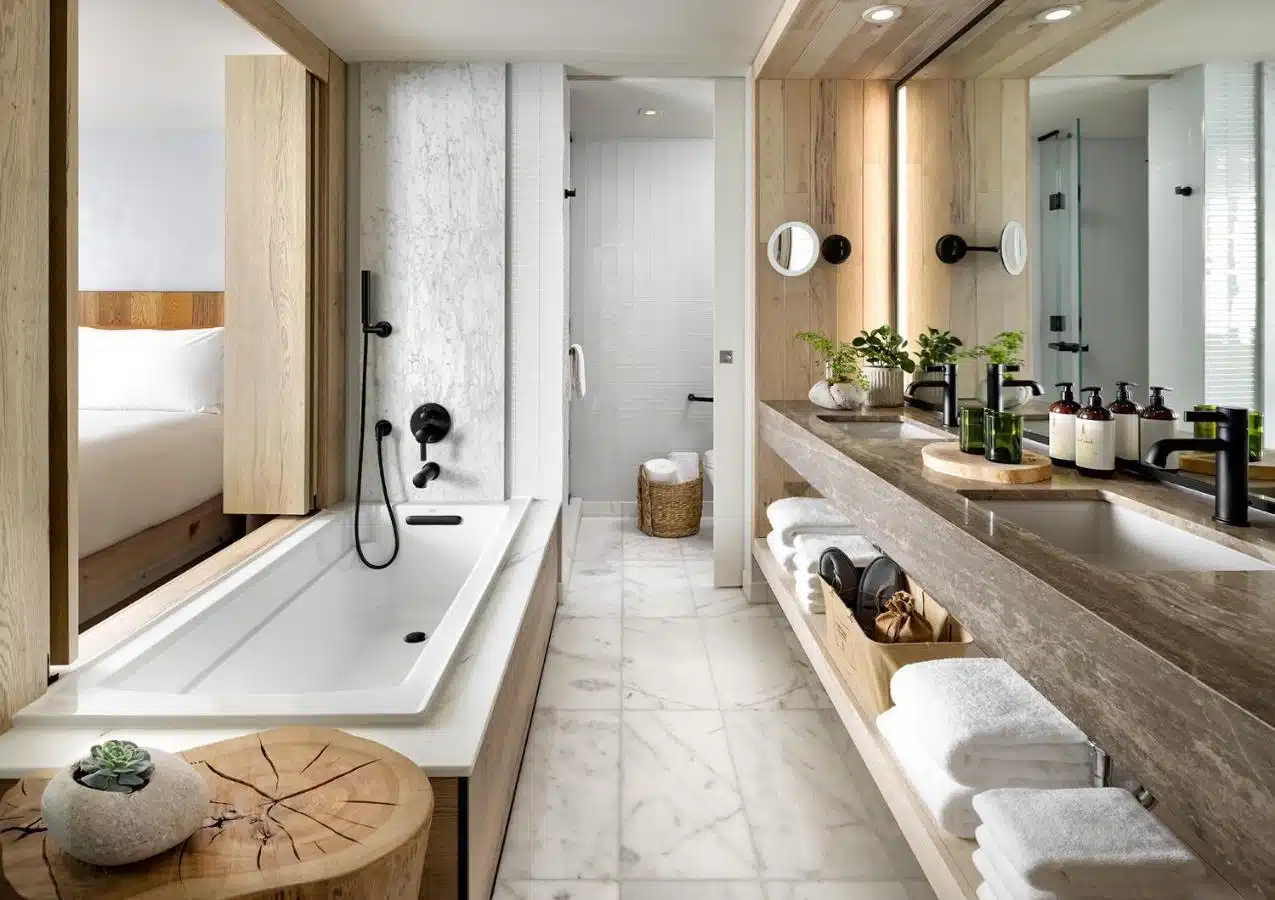
- Modern Bathrooms: Jacuzzi tubs, rain showers, smart toilets, and stone sinks to elevate service quality.
- Practical Layout: Strategic placement of beds, desks, seating areas, and windows to maximize natural light and views.
Hotel Floor Plan Design
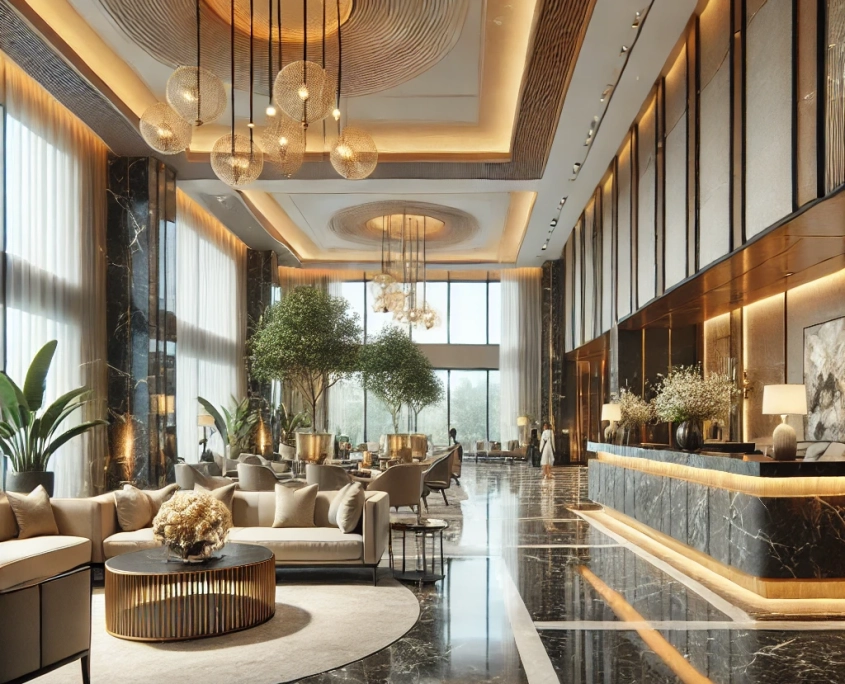
The hotel floor plan plays a crucial role in the functionality and comfort of interior spaces. A standard design should include:
- Harmony Between Private and Public Areas: Ensuring minimal overlap between sections like the lobby, rooms, conference halls, and restaurants.
- Efficient Traffic Flow: Easy access to elevators, corridors, and various hotel areas.
- Space Optimization Standards: Maximizing the utility of every square meter.
- Balance of Beauty and Functionality: A design that is visually appealing while prioritizing guest comfort.
Modifying a Hotel Floor Plan
Hotel designs should be adaptable to changing needs. Flexible design solutions include:
- Movable Walls: Allowing spaces to be reconfigured for different events.
- Modular Room Designs: Enabling rooms to be combined into larger suites.
- Multi-Purpose Spaces: Halls designed for use as conference rooms, restaurants, or event venues.
Creating Ample Space in Hotel Floor Plans
Adequate space in hotel design is essential for guest comfort. Key considerations include:
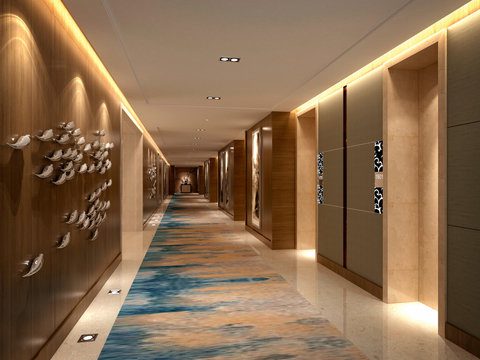
- Wide Corridors: A minimum width of 1.5 to 2 meters for easy movement.
- Spacious, Open Lobby: A welcoming design that prevents overcrowding.
- Adequately Sized Rooms: Avoiding overly small rooms that may cause discomfort or dissatisfaction.
Proper Room Layout in Hotel Design
Room layouts should follow ergonomic and aesthetic standards. Important factors include:
- Window orientation for natural light and scenic views.
- Bed placement away from direct light or excessive noise.
- Inclusion of seating areas for added guest comfort.
Keep the Purpose of Hotel Design in Mind!
Hotel design should align with its purpose and target audience. Design approaches based on goals include:
- Luxury and Five-Star Hotels: Emphasis on premium materials, spacious layouts, and unique designs for guests seeking an upscale stay.
- Business Hotels: Focus on meeting rooms, high-speed internet, and proximity to business districts.
- Resort and Beach Hotels: Open spaces, pools, outdoor dining, and stunning views.
- Budget Hotels: Cost optimization with minimal yet functional designs for travelers.
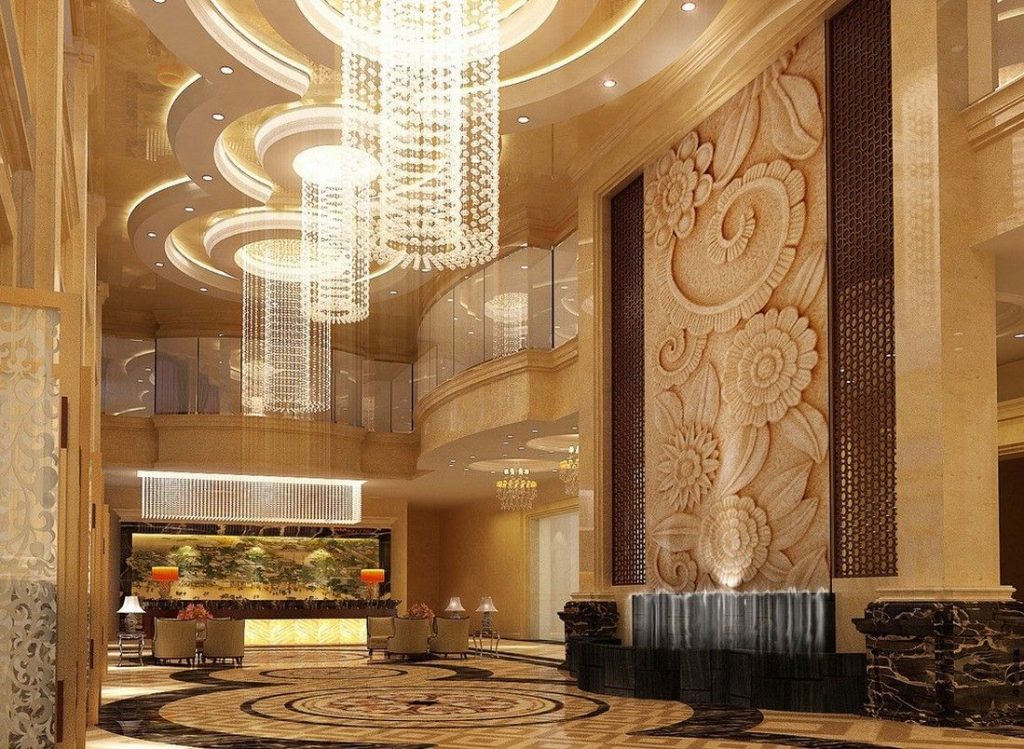
Architectural Planning and Specific Needs in Hotel Design
Architectural planning must meet design standards while addressing the hotel’s operational needs. Key considerations include:
- Easy access to technical systems to reduce maintenance costs.
- Compliance with safety regulations, such as emergency exits and fire suppression systems.
- Energy efficiency through insulating materials and smart energy management systems.
- Balancing modern design with local cultural identity to enhance appeal.
Types of Hotels in Architecture
Hotels vary in architecture and function, with designs tailored to specific guest needs and environmental conditions. Types include:
- Chain Hotels
- Transit Hotels
- Ecological Hotels (Eco-Hotels)
- Extended-Stay Hotels
- Motels
- All-Suite Hotels
- Resorts
- Inns
- Hostels
- Boutique Hotels
- Traditional Hotels
Chain Hotel Design
Chain hotels operate under a unified brand with consistent design and service standards. Key principles include:
- Adherence to brand standards in decor, services, and guest experience.
- Optimization of operational processes like energy management, cleaning, and check-in.
- Consideration of future expansion and capacity increases.
Transit Hotel Design
Transit hotels cater to travelers with short stopovers, such as airport passengers. Design features include:
- Quick, convenient access to airports, train stations, or bus terminals.
- Small yet well-equipped rooms with essentials like comfortable beds, high-speed internet, and private bathrooms.
- Minimalist, modern design focused on comfort and efficient service.
Ecological Hotel (Eco-Hotel) Design
Eco-hotels aim to minimize environmental impact. Design principles include:
- Use of recycled and sustainable materials in construction and decor.
- Energy optimization through smart systems and renewable energy sources.
- Building designs that minimize disruption to the local ecosystem.
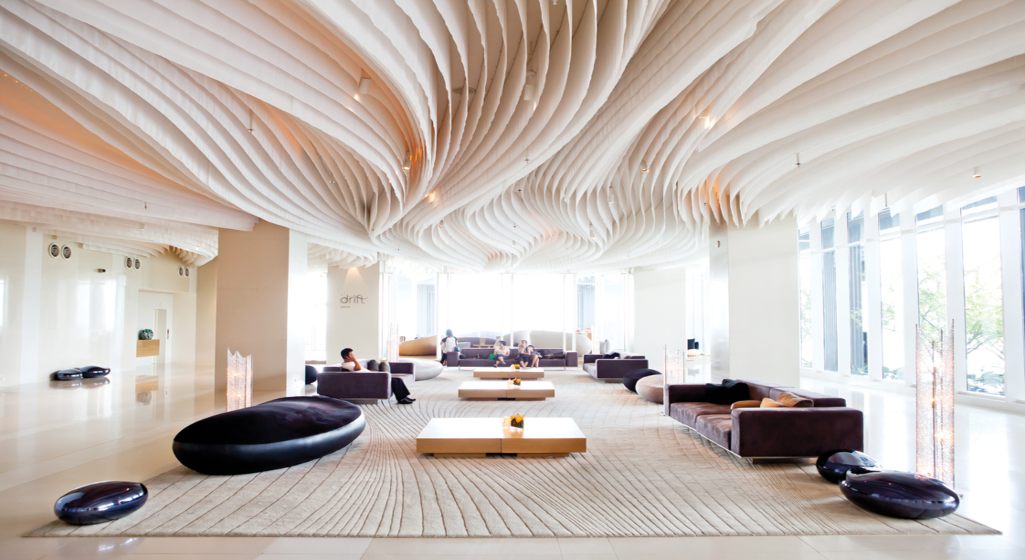
Extended-Stay Hotel Design
Extended-stay hotels cater to guests needing longer accommodations, such as business managers or project workers. Design features include:
- Rooms with small kitchens, living areas, and laundry facilities.
- Standards ensuring comfort for prolonged stays.
- Work and relaxation spaces within rooms.
Motel Design
Motels, located along highways, serve travelers needing short stops. Design characteristics include:
- Direct room access from parking for convenience.
- Simple, cost-effective designs prioritizing functionality.
- Basic amenities like comfortable beds, bathrooms, and internet.
Beach Hotel Design
Beach hotels require unique designs due to their coastal locations and environmental conditions:
- Structures resistant to humidity and strong winds.
- Open facades and large terraces with sea views.
- Recreational areas like beach bars, open pools, and massage rooms.
- Water- and corrosion-resistant wood in decor.
Beach Hotel Construction
Building a beach hotel demands special planning for infrastructure, environmental impact, and accessibility:
- Site selection considering tides and soil stability.
- Provision of utilities like electricity, fresh water, and sewage, which can be challenging in coastal areas.
- Compliance with environmental regulations to protect marine ecosystems.
- Green spaces and accessible pathways for guest convenience.
All-Suite Hotel Design
All-suite hotels feature large rooms with separate sections. Design principles include:
- Rooms with living areas, small kitchens, and private bathrooms.
- Luxurious designs emphasizing spacious, villa-like layouts.
- Amenities like jacuzzis, private balconies, and workspaces.
Resort Design
Resorts, located in recreational or natural areas, must harmonize with their surroundings and climate. Design features include:
- Focus on open spaces like gardens, pools, and private beaches.
- Use of natural materials blending with the environment.
- Recreational facilities such as spas, gyms, and unique dining options.
Inn Design
Inns are budget-friendly accommodations with fewer amenities than hotels. Design principles include:
- Compact layouts to reduce costs.
- Shared rooms to lower accommodation expenses.
- Communal facilities like kitchens and lounges.
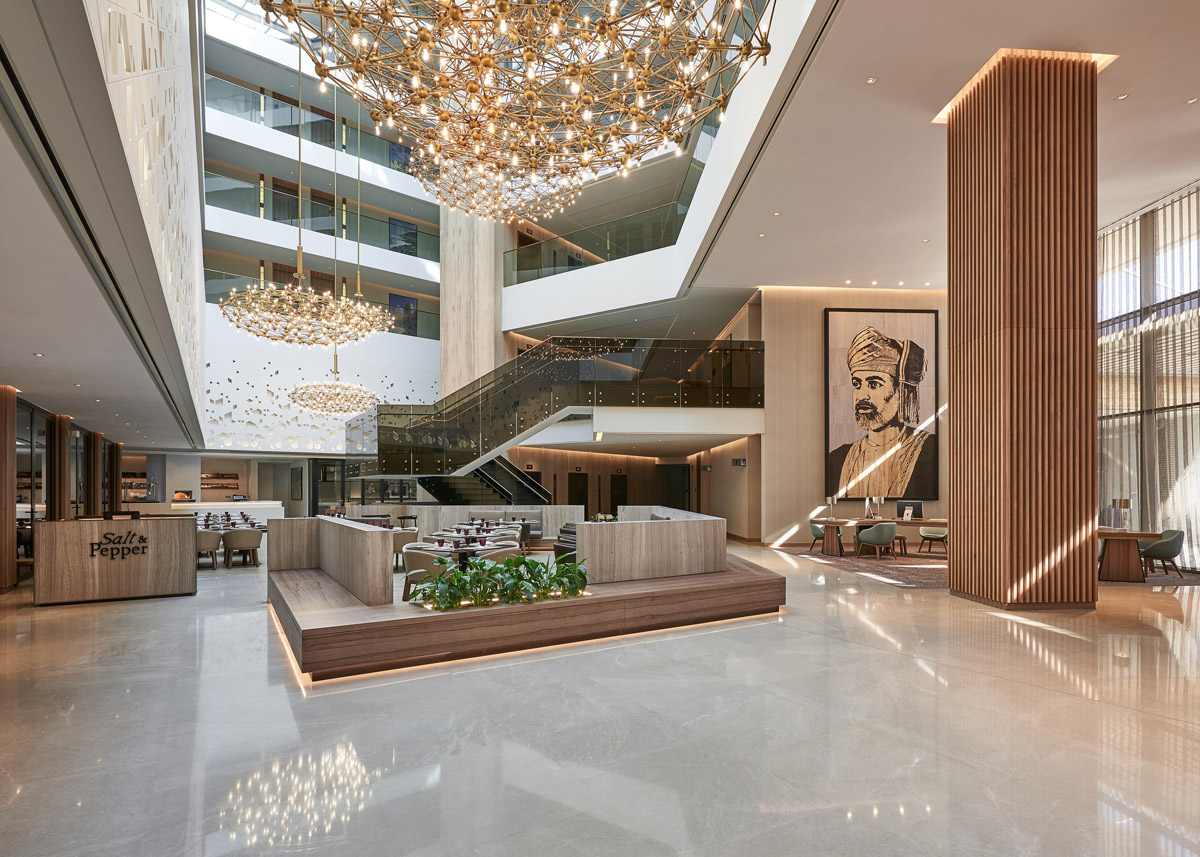
Boutique Hotel Design
Boutique hotels are small, luxurious properties offering personalized experiences. Design principles include:
- Unique, distinctive decor for each room.
- Focus on detail and top-tier service quality.
- Cozy, relaxing environments for guests.
Traditional Hotel Design
Traditional hotels are built in historic structures or inspired by local architecture. Design features include:
- Traditional elements like brickwork, tiling, and wood in decor.
- Preservation of regional cultural identity in interior and exterior design.
- Emphasis on nostalgia and a unique, local experience.
Modern Hotel Design
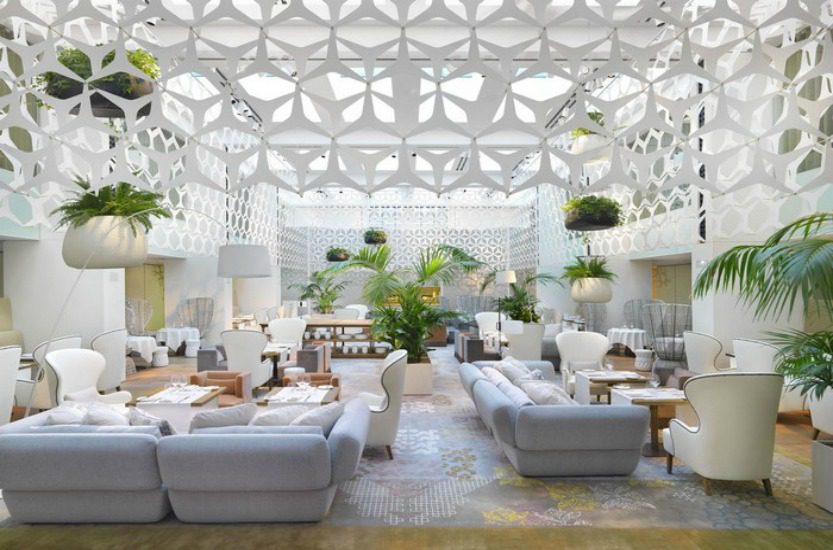
Modern hotels follow contemporary design principles, emphasizing comfort, technology, and minimalist aesthetics. Design features include:
- Clean lines and geometric shapes in interiors and facades.
- Use of modern materials like glass, concrete, metal, and processed wood.
- Smart technology such as digital locks, lighting control, and app-based HVAC systems.
- Open, flexible spaces allowing for decor and layout adjustments.
Classic Hotel Design
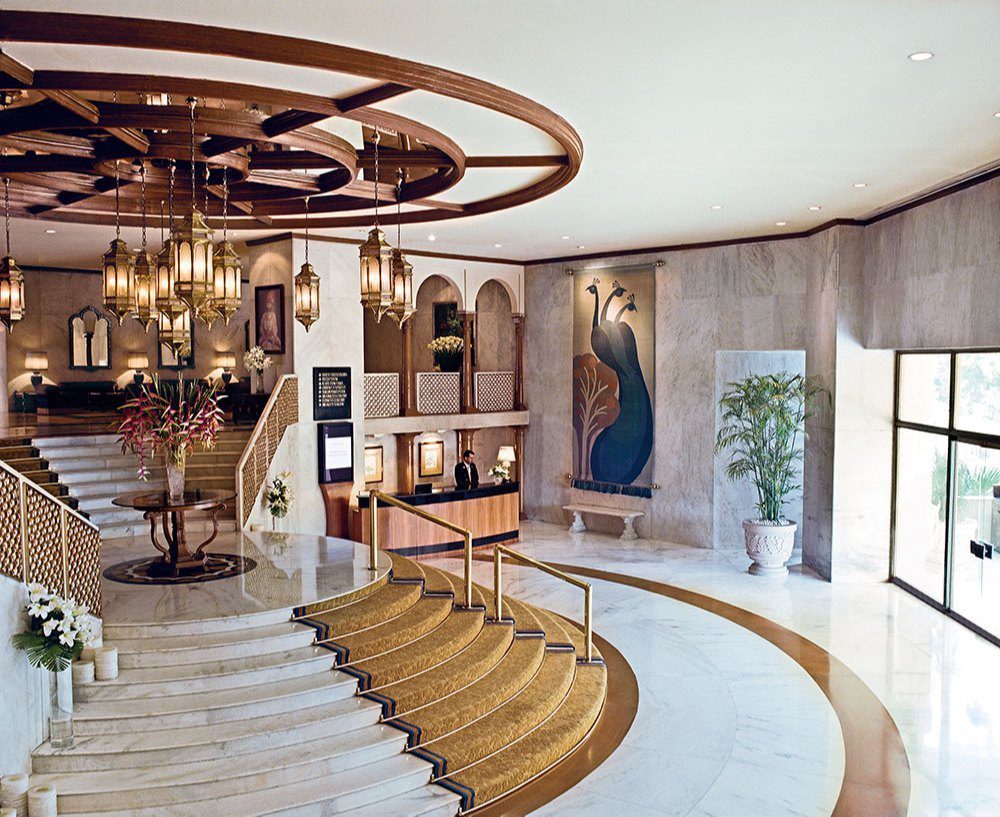
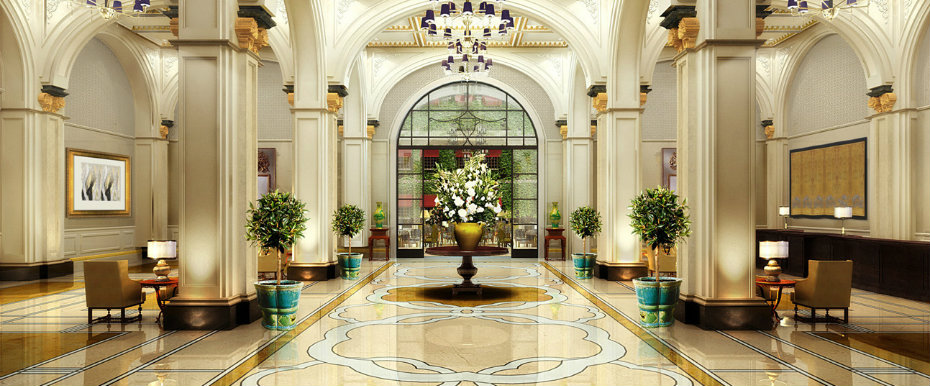
Classic hotels draw inspiration from historical architecture and traditional luxury styles. Design principles include:
- High-quality, heavy materials like marble, natural wood, and velvet fabrics.
- Detailed ornamentation such as intricate plasterwork, high ceilings, crystal chandeliers, and ornate furniture.
- Symmetry and harmony in spatial design for a sense of grandeur.
- Warm, rich colors like gold, beige, burgundy, and brown to enhance luxury.
Hotel Design Regulations
Hotel design must comply with regulations ensuring functionality, safety, and guest comfort. Mandatory standards include:
- Accommodation Space Standards: Minimum room sizes, proper ventilation, and fire-resistant materials.
- Public Access: Elevators, emergency stairs, and ramps for accessibility.
- Health and Safety: Fire suppression systems, adequate kitchen and bathroom ventilation.
- Sound and Thermal Insulation: Enhancing comfort and reducing energy consumption.
Types of Spaces in Hotel Design
Hotels comprise various spaces, each serving a specific purpose. These must be carefully analyzed during design. Key spaces include:
- Accommodation Spaces: Guest rooms and suites.
- Public Spaces: Lobby, restaurant, café, pool, and gym.
- Service Spaces: Kitchen, storage, laundry, and staff rooms.
- Administrative Spaces: Management, reception, and accounting offices.
Entrance Design Regulations
The hotel entrance is the first space guests encounter, making it highly significant. It should convey welcome and luxury. Design principles include:
- An attractive, legible canopy displaying the hotel brand.
- Wide, automatic doors for ease of access and luggage handling.
- Warm, inviting lighting for a calming effect.
- Ramps and pathways for wheelchair accessibility.
Corridor Design Regulations
Corridors guide guests and play a key role in their satisfaction and comfort. They must meet standard requirements:
- Adequate width (minimum 1.5 meters) for service cart passage.
- Proper lighting for visibility and safety.
- Soundproof carpeting or flooring to reduce noise.
- Consistent design with other interior sections.
Flooring in Hotel Design
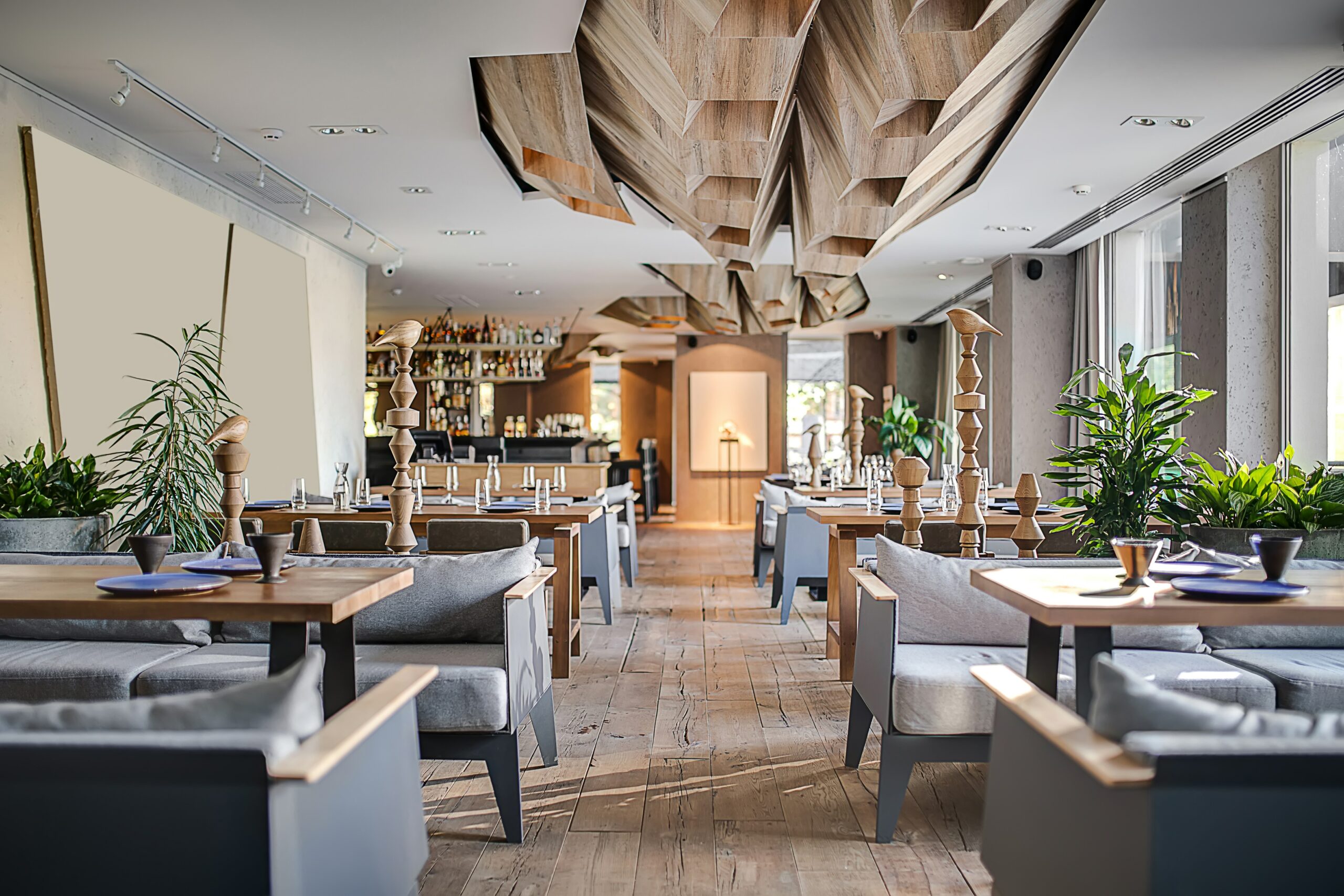
Choosing the right flooring enhances durability, cleanliness, and aesthetics. Suitable options include:
- Marble or ceramic for lobbies and corridors due to durability and luxury appeal.
- Carpet for rooms and corridors to reduce noise and enhance comfort.
- Wood or laminate for restaurants and cafés to create warmth and intimacy.
Wall Coverings in Hotel Design
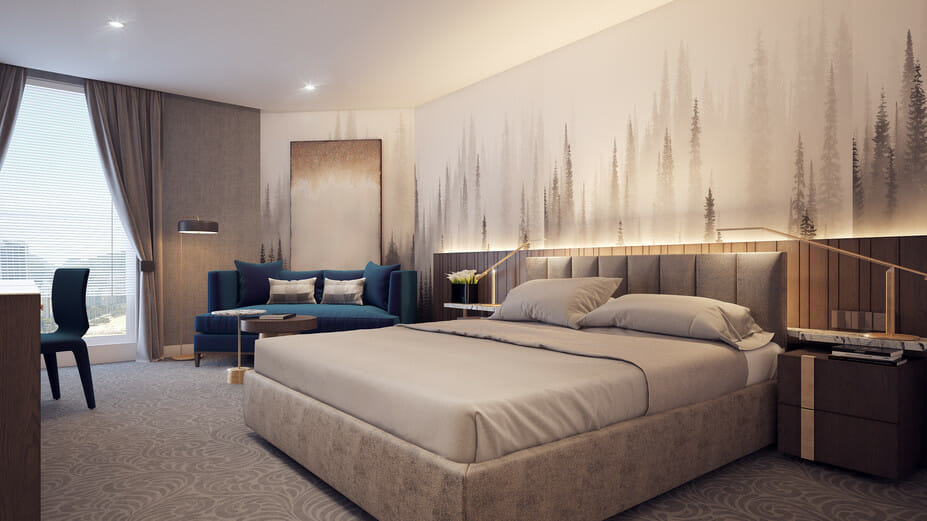
Wall coverings impact aesthetics, maintenance, and acoustics. Common options include:
- Waterproof, stain-resistant wallpaper for interior spaces.
- Wooden or stone wall coverings for a luxurious feel.
- Washable paints to reduce upkeep costs.
How Should Hotel Lighting Be Designed?
Lighting is a critical element in hotel interior design, influencing aesthetics and guest mood. Design principles include:
- Warm, inviting lighting in the lobby and entrance.
- Hidden and wall-mounted lights in rooms for a relaxing ambiance.
- Strong lighting in corridors and public areas for safety.
- Smart, energy-efficient lighting to optimize consumption and reduce costs.
Housekeeping Space Design for Guest Rooms
The housekeeping department is essential for room cleanliness and management. Design considerations include:
- Service closets on each floor for cleaning supplies.
- Easy staff access to rooms via service elevators.
- Separate areas for laundry, linens, and detergents.
Food Preparation and Storage Space Design
Precise design of food preparation and storage areas is vital for service quality. Key requirements include:
- An industrial kitchen meeting hygiene standards.
- Separate zones for washing, prep, and cooking to prevent cross-contamination.
- Strong ventilation to manage odors and heat.
- Cold and dry storage for proper food preservation.
Essential Proximity in Hotel Design
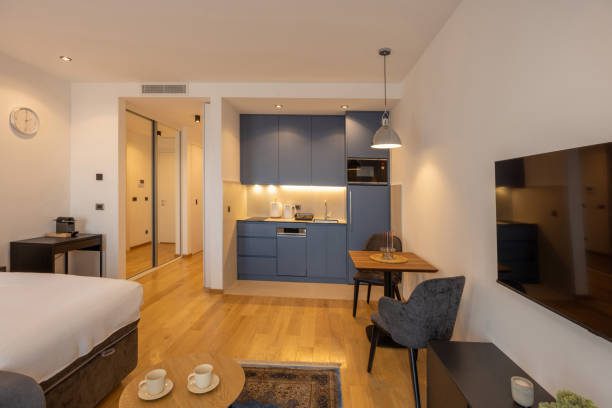
Certain spaces must be close to each other for optimal functionality. These include:
- Guest rooms near elevators for easy access without disturbance.
- Lobby near the entrance and reception for smooth guest flow.
- Restaurant near the kitchen and food storage for efficient service.
- Service areas (e.g., housekeeping and linen storage) near each floor for quick cleaning.
Preferred Proximity in Hotel Design
Some spaces don’t require immediate proximity but benefit from it for convenience and efficiency:
- Café near the lobby or pool for guest relaxation.
- Recreational areas like the gym near the pool and sauna for a complete experience.
- Meeting and conference rooms near the entrance and reception for easy access.
Loading Dock for Hotel Supplies
The loading dock and service entrance are crucial for receiving food, equipment, and supplies. Features include:
- Separate access from the main guest entrance to avoid disruption.
- Adequate space for truck parking and unloading.
- Direct connection to the kitchen and storage areas to minimize movement.
- Ventilation and cold storage for hygienic supply management.
Ideal Location for Hotel Construction
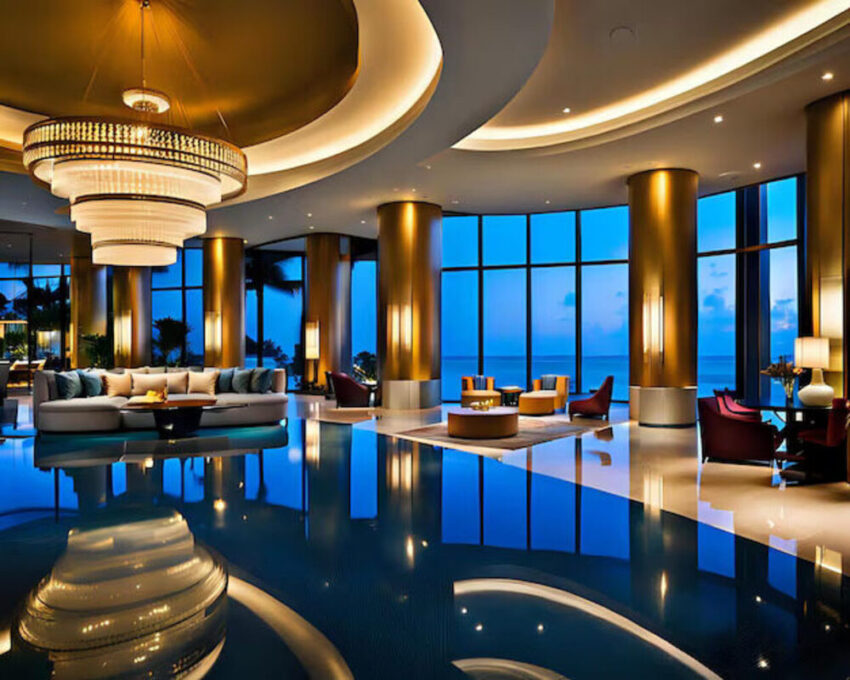
Choosing the right location greatly impacts a hotel’s success. Key factors include:
- Easy access to airports, train stations, and city centers.
- Proximity to tourist attractions and shopping districts.
- Low noise and environmental pollution for guest tranquility.
- Safe area with robust urban infrastructure like roads and public transport.
Impact of Materials in Hotel Design
Each material used in a hotel requires specific care to maintain its beauty and longevity:
- Natural Stone (e.g., Marble, Granite): Regular polishing and special cleaners to prevent staining.
- Natural Wood and Parquet: Oiling and moisture-resistant coatings, especially in humid areas.
- Glass Facades and Decor: Frequent cleaning to avoid cloudiness and maintain visibility.
- Carpets and Rugs: Daily vacuuming and antibacterial cleaners for hygiene.
- Tiles and Ceramics: Appropriate cleaners to prevent buildup and discoloration.
Material Safety Standards in Hotels
Materials must meet safety standards to reduce risks:
- Fire-resistant wall and floor coverings to prevent fire spread.
- Safety glass for facades and interior doors.
- Non-slip materials in bathrooms, pools, and lobbies to prevent falls.
- Soundproof insulation in walls and floors to reduce noise.
Bunyan Hotel Design Company: From Concept to a Unique Experience
Bunyan Architecture Company, with years of experience in designing and executing luxury and modern hotels, supports you from ideation to completion. By analyzing client needs, hotel industry standards, and using premium materials, we create unique, comfortable spaces for your guests. Bunyan designs are not only aesthetically and functionally optimized but also align with hotel branding principles to boost guest attraction.
Bunyan: Experts in Luxury and Modern Hotel Interior Design and Architecture
In the competitive hotel industry, interior design significantly influences guest attraction and stay experience. The Bunyan architecture team, with a modern and specialized approach, designs lobbies, rooms, restaurants, public spaces, and recreational areas, considering the hotel’s brand identity and target audience needs. Our designs blend lighting, color, materials, and layout to create a pleasant, distinctive environment.
Hotel Design with International Standards: Beyond Expectations
International hotel design standards encompass comfort, safety, aesthetics, functionality, and environmental sustainability. Bunyan Architecture leverages cutting-edge global methods and collaborates with hotel architecture and engineering experts to create spaces meeting worldwide benchmarks and exceeding international guest expectations. We incorporate smart technology, advanced HVAC systems, and ergonomic designs for an unforgettable experience.
How Professional Hotel Design Impacts Guest Experience
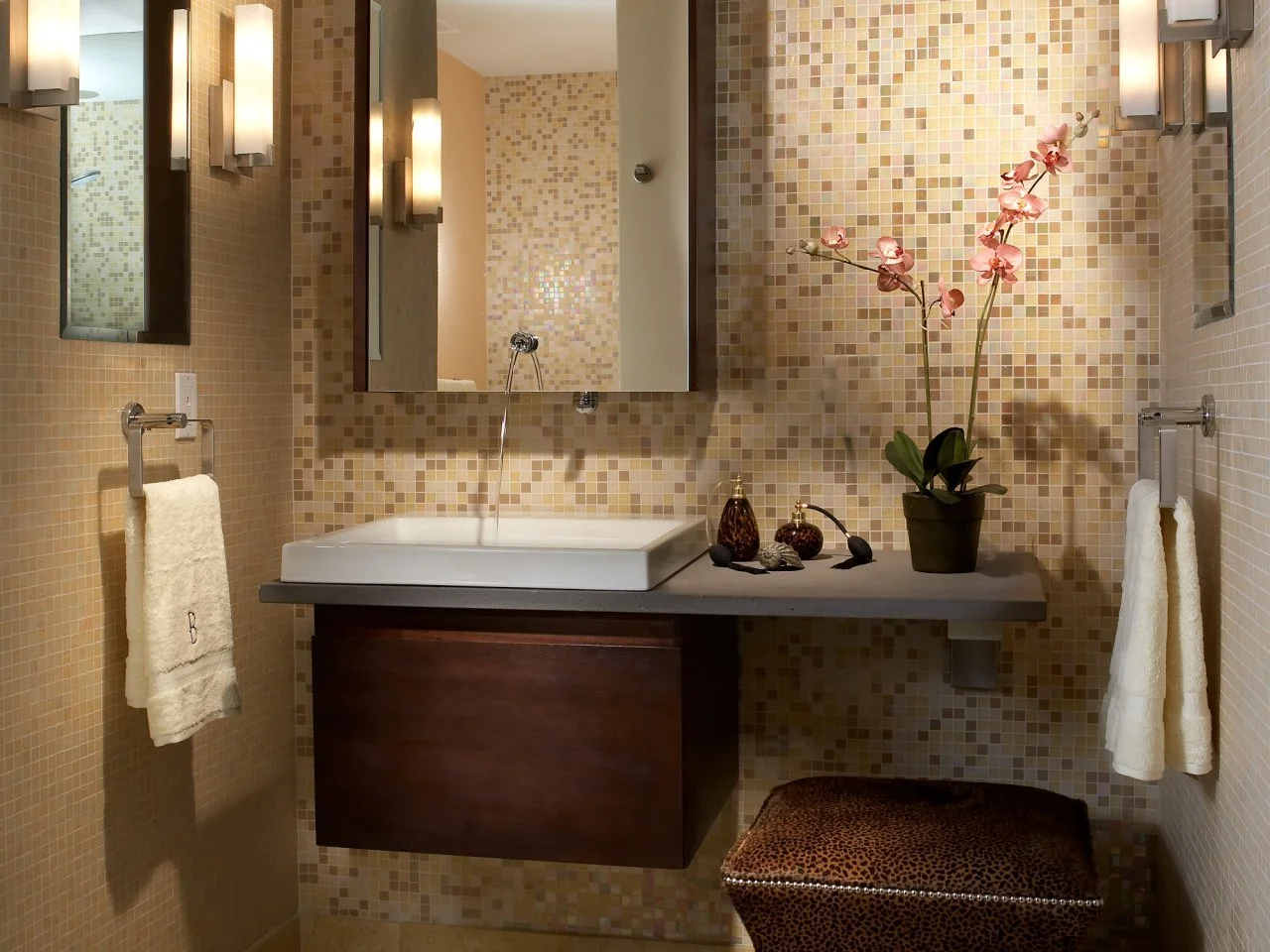
Hotel interior design directly affects guest satisfaction and experience. An appealing lobby creates a warm welcome, while comfortable rooms designed with color psychology and lighting enhance relaxation and satisfaction. Optimized layouts for public spaces, restaurants, and conference rooms improve comfort, interaction, and productivity. Bunyan, with a user-centric approach and modern technology, designs hotels that increase repeat visits and elevate your brand.
How Bunyan Architecture Turns Your Hotel into a Unique Destination
The expert Bunyan team, with extensive experience in hotel projects, offers comprehensive services in consultation, architectural design, interior design, and project execution. We consider brand identity, target market, and geographic location in every design to create visually stunning spaces that meet investors’ operational and commercial needs. We believe professional design transforms your hotel into a distinctive, attractive destination.
For more information on hotel interior design, contact our Bunyan team.