
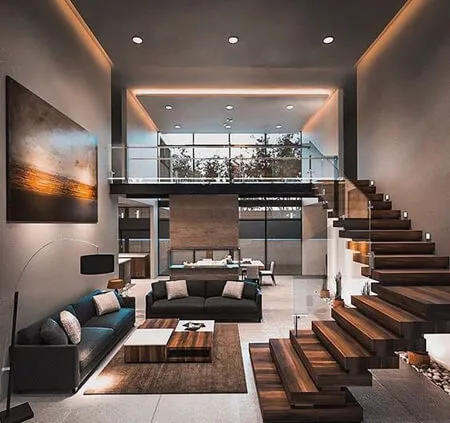
Duplex House Design | A Complete and Professional Guide to Building a Unique and Functional Home
Duplex houses have long symbolized intelligent design and optimal use of space. This architectural style is not only aesthetically appealing but also enhances the residents’ comfort by creating a clear separation between private and public spaces. In this article by Zeus, you’ll discover all the key points, ideas, styles, façade types, and floor plans related to duplex house design—helping you make informed and professional decisions for building your own duplex home.
Modern duplex houses are a growing trend in residential architecture in Oman, offering both vertical space efficiency and a stylish layout for families.
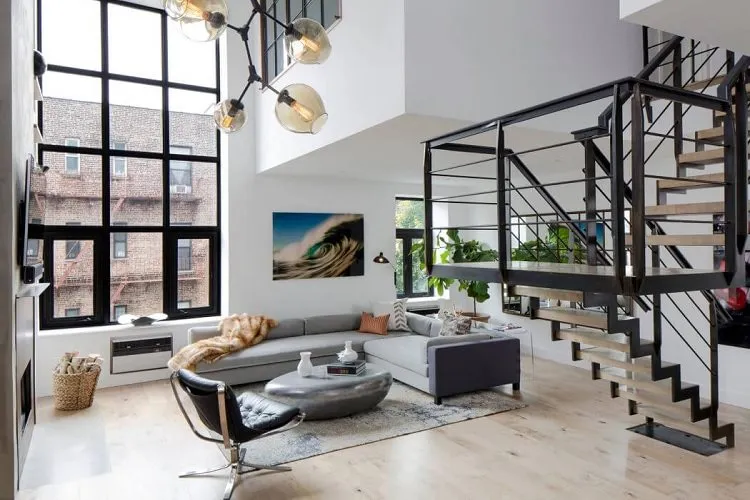
What Is a Duplex House and What Are Its Key Features?
A duplex house is a type of residential building usually consisting of two floors connected by an internal staircase. The main feature of a duplex is the spatial separation—typically, the ground floor is dedicated to public areas like the living room, reception, and kitchen, while the upper floor is reserved for private areas such as bedrooms. Other notable features include efficient land use, diverse design possibilities, distinctive facades, and the potential to implement unique ideas.
Creating a functional and elegant atmosphere across two levels requires expert interior design in Oman that balances openness with privacy.
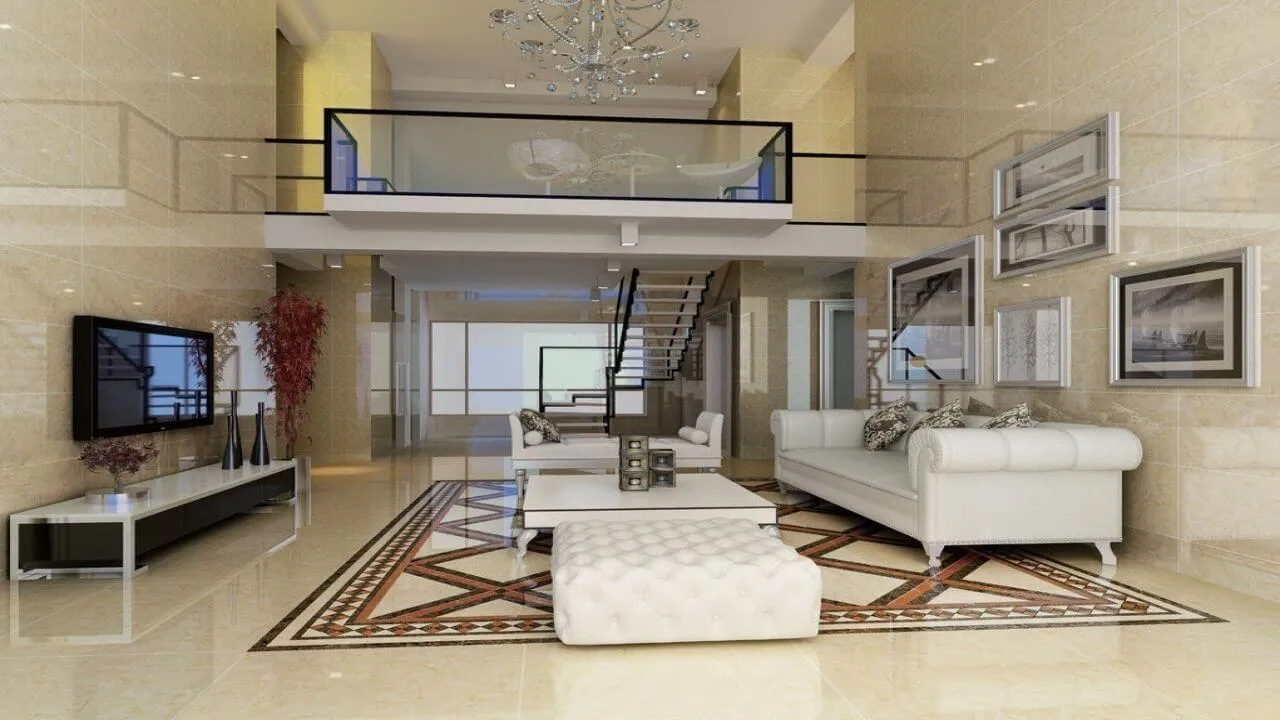
From Basic Principles to Modern Ideas in Duplex Design
Duplex design requires attention to technical aspects such as a durable structure, proper spatial circulation, sufficient natural light, and adequate ventilation. Alongside engineering principles, incorporating modern concepts such as open-plan layouts, contemporary materials, smart stair design, and well-thought-out lighting can significantly enhance the quality of life. Modern duplex design seeks a balance between beauty, functionality, and space efficiency.
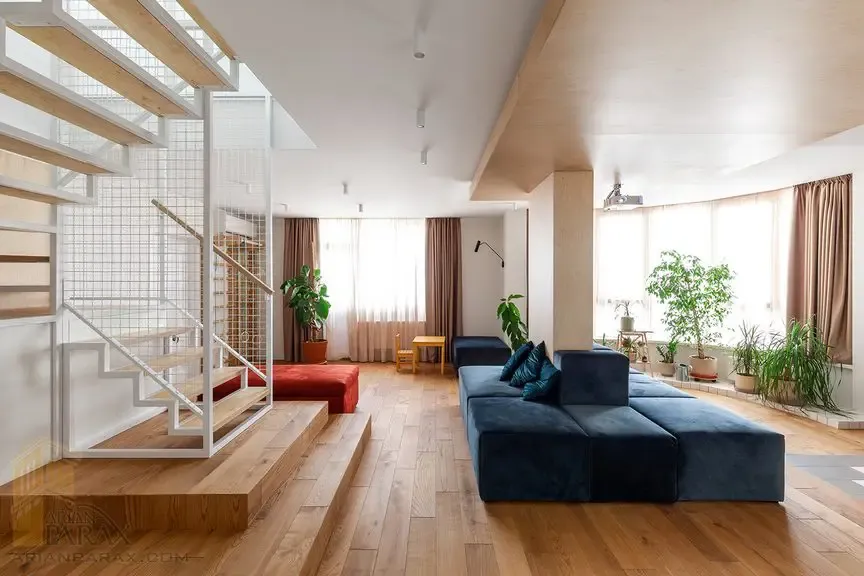
Stylish Duplex Homes | Special Features and Unique Execution Ideas
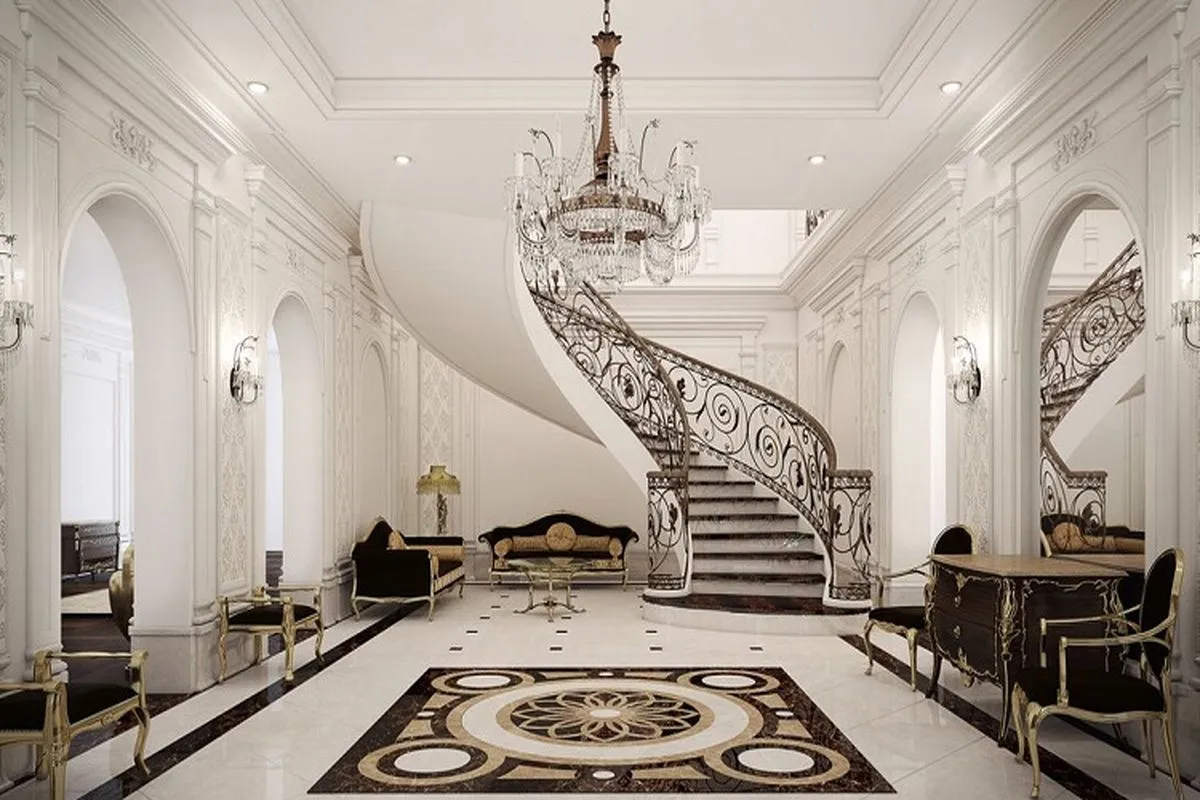
A stylish duplex is not only visually attractive but also integrates details like harmonious color schemes, quality materials, strategic lighting, unique furniture, and multi-purpose spaces. Floor-to-ceiling windows, high ceilings, floating or modern staircases, and mixed design styles like neoclassical or modern minimalism can transform a duplex into a luxurious and distinctive space.
Interior Design Styles for Duplex Homes
Duplex interiors can be tailored to various styles, including:
• Modern Minimalist: Simplicity, clean lines, neutral tones, and natural light
• Classic: Detailed ornamentation, warm colors, heavy furniture, and symmetry
• Neoclassical: A blend of tradition and modernity, soft colors, and elegant wall paneling
• Bohemian or Scandinavian: Bright spaces, natural wood, soft fabrics, and light decor
Each of these styles brings its own personality to a home and should be chosen based on the family’s preferences and functional needs.
Popular Duplex Façade Designs in Iran
The façade is the first impression of any house and plays a vital role in its beauty and memorability. The most popular duplex house facades in Iran include:
• Roman-style façade
• Stone façade
• Glass façade
• Mixed-material façade (e.g., stone and wood, or stone and glass)
Each façade has unique characteristics, advantages, and cost implications, which we will explore in detail below.
Roman-Style Duplex Façade | Grandeur of Classical Architecture
With tall columns, cornices, arches, and travertine stone, the Roman façade brings a sense of elegance and grandeur. It is an excellent choice for those who appreciate architectural detail and sophistication.
Stone Duplex Façade | Strength Meets Beauty
Stone façades are highly durable against harsh weather conditions and convey a sense of authenticity and dignity. Granite, marble, and travertine are among the commonly used stones, depending on your budget and desired aesthetic.
Glass Duplex Façade | Modern and Light-Filled Design
Large glass surfaces in the façade—especially in modern duplexes—enhance natural lighting, improve views, and strengthen the connection with the outdoors. These façades are often used in villas or scenic areas.
Modern Duplex House | Simplicity, Functionality, and Aesthetic in One Frame
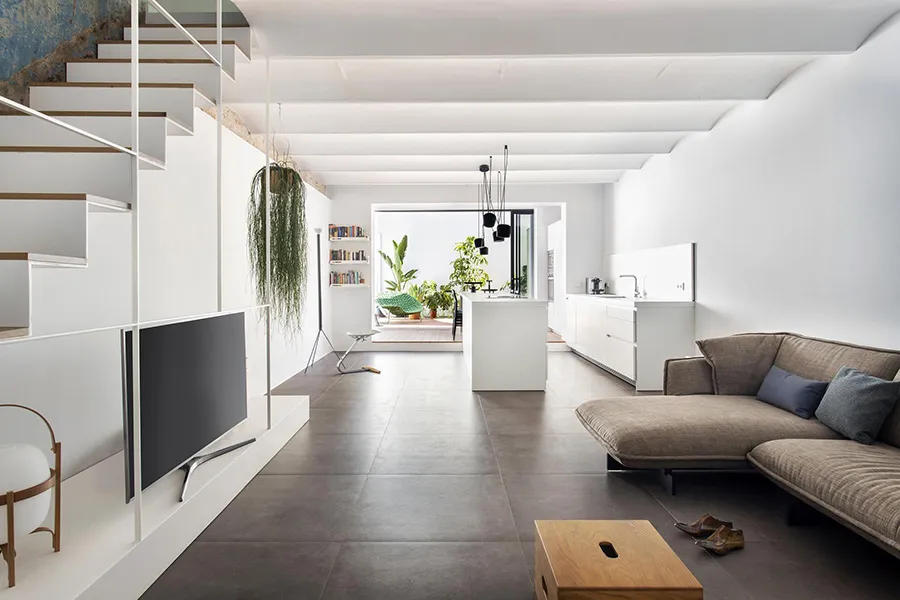
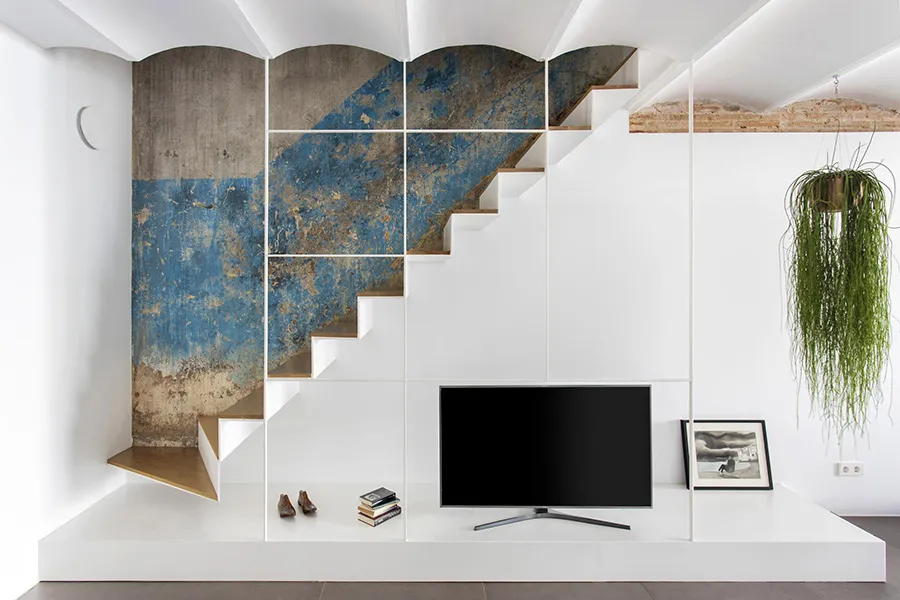
Modern duplexes are based on simplicity. Open-plan layouts, geometric lines, neutral colors, new materials like exposed concrete or composite panels, and the removal of excess ornamentation define this style.
Classic Duplex House | A Return to Timeless Elegance
Classic duplex designs incorporate arches, ornate plasterwork, antique furniture, symmetrical layouts, and warm royal colors such as gold and beige. Ideal for lovers of traditional and detail-rich aesthetics.
Neoclassical Duplex House | Harmonious Blend of Tradition and Modernity
Neoclassical style combines classical grandeur with modern functionality. Key elements include paneled walls, stone or wooden flooring, high ceilings, and elegant tones like cream, gray, or navy blue.
Small Duplex Villa | Smart Design for Limited Spaces
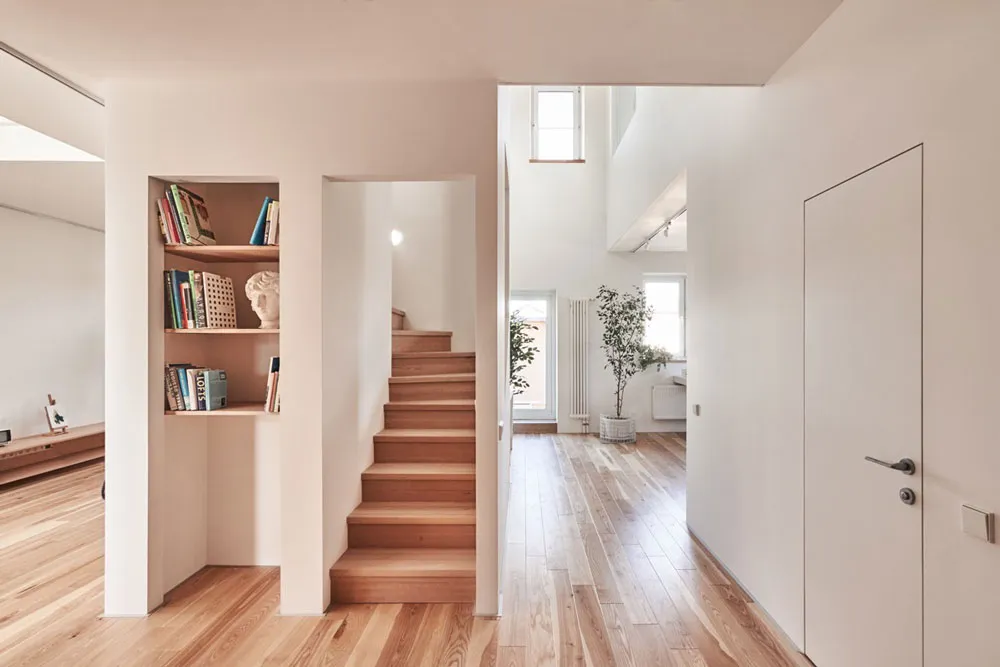
In smaller duplex villas, design must be highly strategic. Using multifunctional furniture, maximizing natural light, selecting light color palettes, standard staircases, and compact floor plans can make small spaces more practical and open.
Staircase Design in Duplex Houses | Safety, Style, and Function
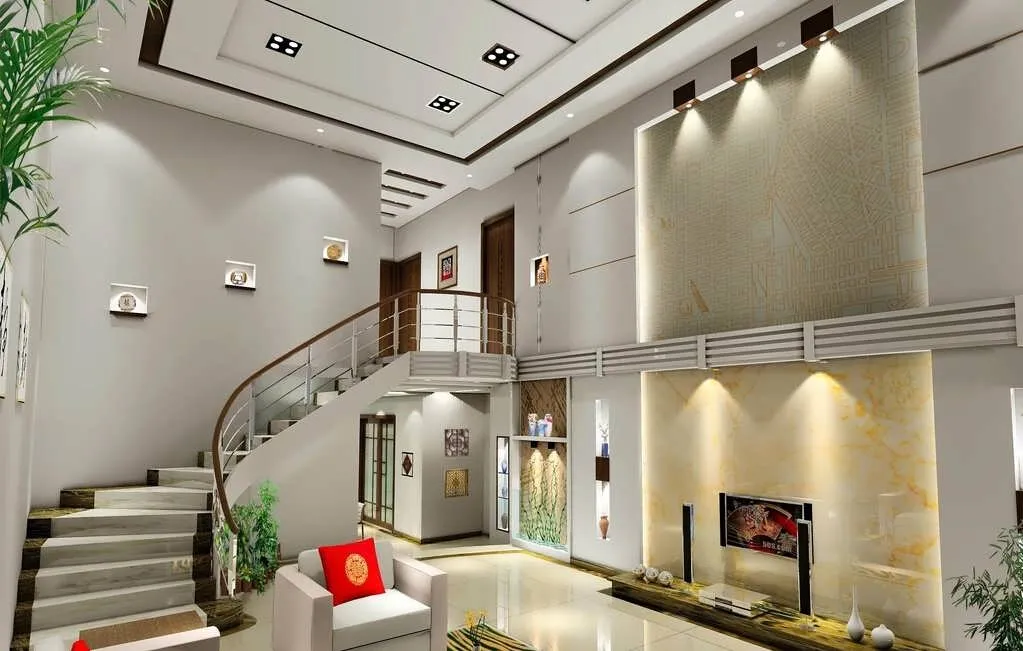
The staircase in a duplex home is both a functional necessity and a major visual element. Its location, form, and materials significantly impact interior aesthetics. Key factors include standard incline, step height, safety railings, hidden lighting, and compatibility with the home’s style. Common options include floating stairs, spiral stairs, and U- or L-shaped staircases.
Essential Lighting Tips for Duplex Homes
Proper lighting in a duplex is critical for defining spaces, highlighting architectural elements, and creating a relaxing atmosphere. Use layered lighting (ceiling lights + lamps) on the lower floor, and softer lighting for bedrooms upstairs. Staircases and connecting areas should feature wall lights, linear lighting, or hidden LEDs to ensure safety and beauty.
Ideas for Designing Terraces, Balconies, and Rooftops in Duplex Homes
One major benefit of duplex houses is the ability to design unique terraces or rooftop gardens. You can use the terrace for outdoor breakfast, gardening, or seating. Upper-floor balconies with glass or wooden railings and minimal furniture add visual charm. Rooftop spaces can also be transformed into green areas or BBQ zones, offering residents a refreshing outdoor experience.
How to Reduce the Cost of Building a Duplex House
To minimize construction costs without sacrificing quality, consider optimized floor plans, local materials, avoiding unnecessary decorations, bulk buying of materials, working with experienced architects to prevent rework, and selecting simpler façade designs. Cost-efficient stairs, maximizing natural light, and choosing minimalist styles can also result in significant savings.
Sample Duplex House Plans: 150, 200, 300, and 400 m²
Duplex house plans vary depending on lot size and user needs:
• 150 m²: Compact layout, 2–3 bedrooms, central or corner staircase
• 200 m²: Larger living area, open kitchen, guest room
• 300 m²: Additional home office, private lounge, larger terrace
• 400 m²: Luxurious plan with a lobby, rooftop garden, private garage, and sauna
In all cases, spatial arrangement must consider lighting, wind direction, and residents’ functional needs.