
Designing a Medical Office and Clinic the Right Way!
In today’s medical world, the design of a medical office and clinic goes beyond aesthetics; it directly influences patient comfort and practitioner efficiency. A space designed with precision and architectural principles can provide a calming and reassuring experience for patients while optimizing workflow for healthcare professionals. Have you ever considered how colors, layout, and lighting in your office can impact the emotions of your patients?
If you want to transform your clinic into a unique and memorable space, join us in this article to explore key design principles that will help you create an environment that reflects your expertise and enhances the quality of your medical services.
Why Is Proper Clinic and Medical Office Design Important?
The design of medical offices and clinics is much more than just creating an aesthetically pleasing space. A well-structured and thoughtfully designed clinic can have a profound impact on patients’ emotions and overall experience, improving their sense of comfort and trust. A well-planned space can help reduce patient stress and enhance their satisfaction with medical services. Additionally, an efficient layout increases the productivity of healthcare professionals by optimizing accessibility and workflow. By applying strategic design principles, you can create an environment that benefits both patient experience and clinic functionality.
Key Interior Design Principles for Medical Offices and Clinics
Enhancing the patient experience and creating a calming atmosphere requires implementing interior design principles that promote comfort. Using soothing colors, comfortable waiting room furniture, and open, well-lit spaces are essential components. These design choices should aim to alleviate patient anxiety and provide a reassuring environment. Incorporating natural elements and indoor plants can further enhance the sense of tranquility. A thoughtfully designed medical space not only meets the needs of patients but also creates a pleasant and positive experience during their visit.
Choosing the Right Colors and Materials for Clinic Design
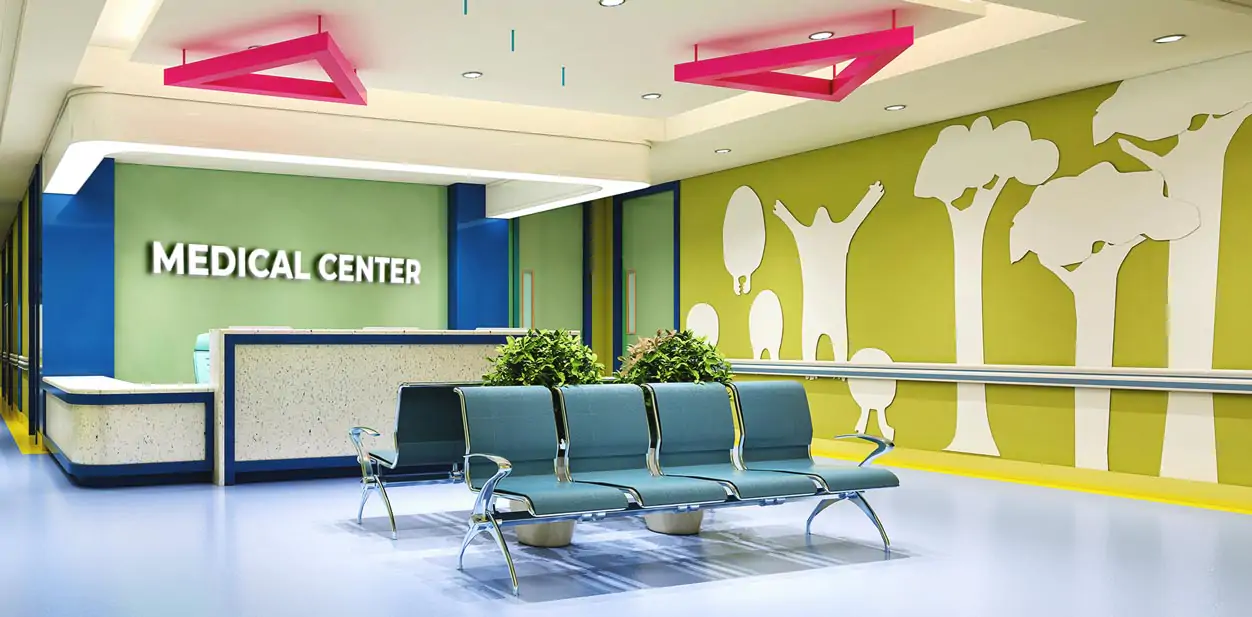
The colors and materials used in clinic design play a crucial role in shaping patients’ visual experience and emotional state. Soft colors like sky blue, sage green, and light gray create a serene and calming atmosphere, whereas bolder colors should be used sparingly for accents. Durable and hygienic materials such as engineered stone, antibacterial wood, and non-slip flooring are ideal choices for medical spaces. Selecting high-quality materials and appropriate color schemes not only enhances aesthetics but also improves safety and functionality.
Optimal Lighting for Medical Offices and Clinics
Lighting is a fundamental aspect of clinic and office design that significantly impacts the quality of care provided. Maximizing natural light while integrating soft, white artificial lighting in waiting and examination rooms fosters trust and reassurance among patients. At the same time, concentrated lighting is essential in specialized areas and for medical instruments. Proper and well-planned lighting creates a welcoming ambiance and promotes a sense of well-being for patients.
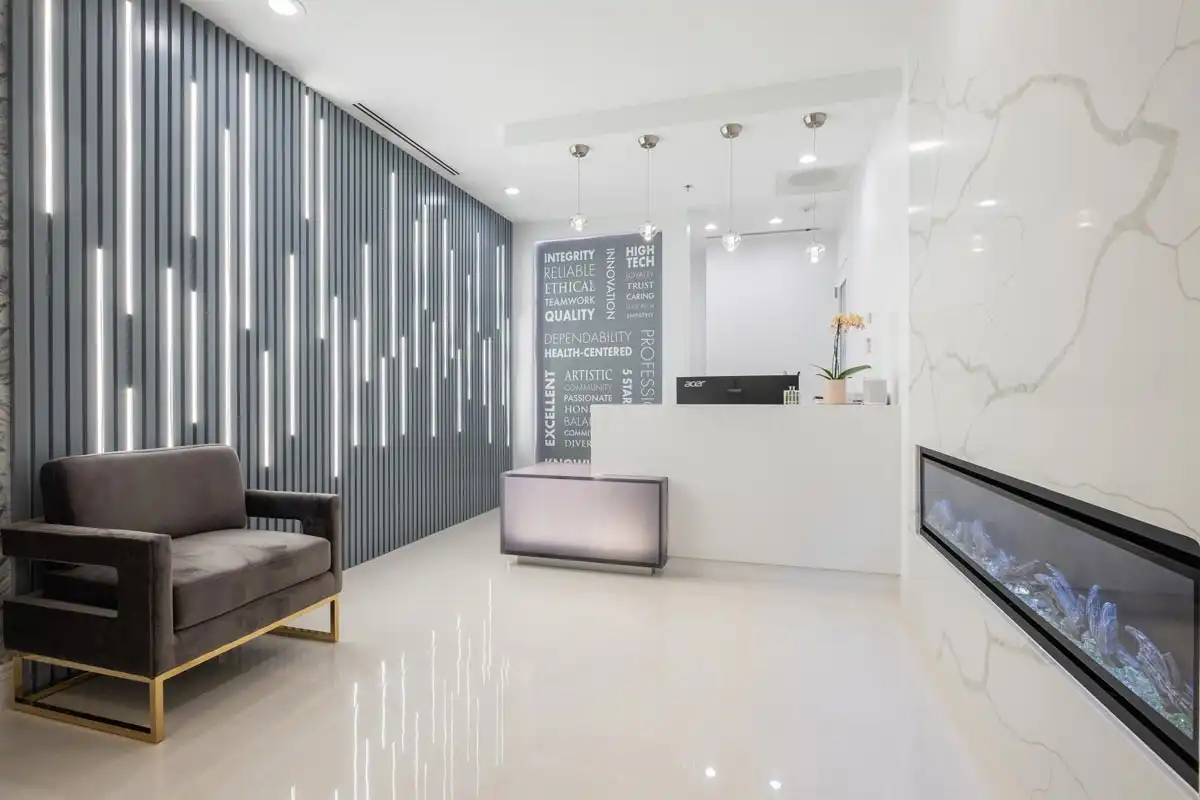
Reception Area Design | Making a Strong First Impression
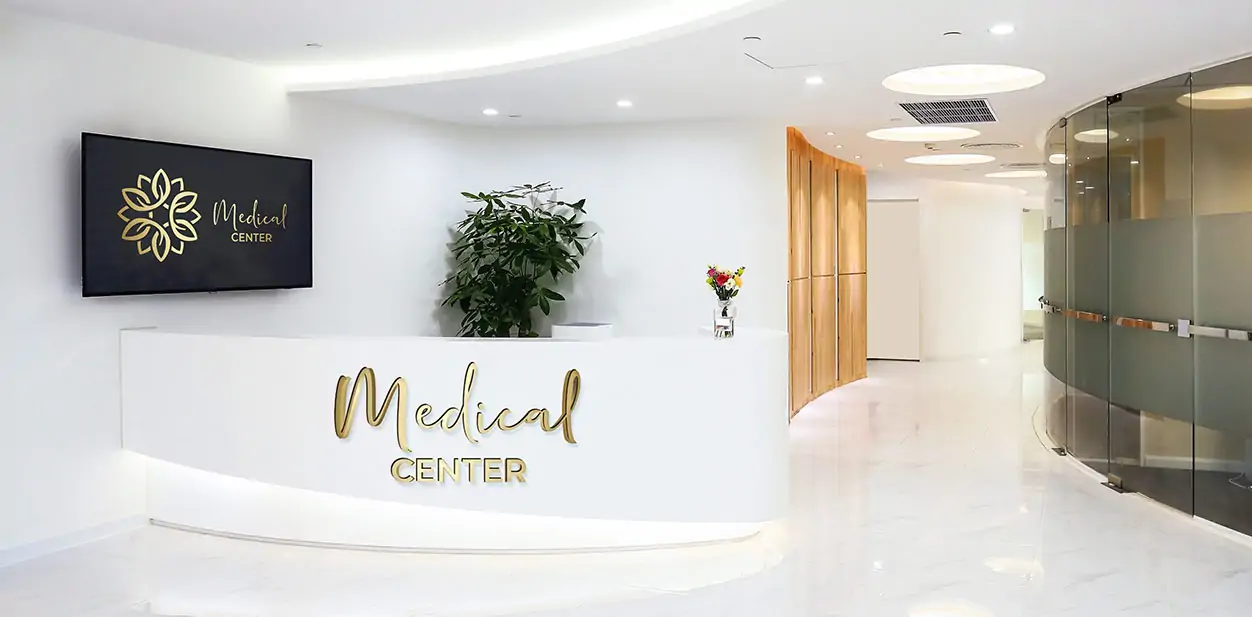
The reception area serves as the first point of interaction for patients, making it crucial to design this space in a welcoming and soothing manner. Soft lighting, neutral colors, and ergonomic furniture help patients feel comfortable while waiting. The reception area should also provide ample workspace for staff to efficiently handle administrative tasks. A well-organized layout ensures that patients can easily navigate the clinic without confusion, seamlessly leading them to examination rooms and other medical facilities.
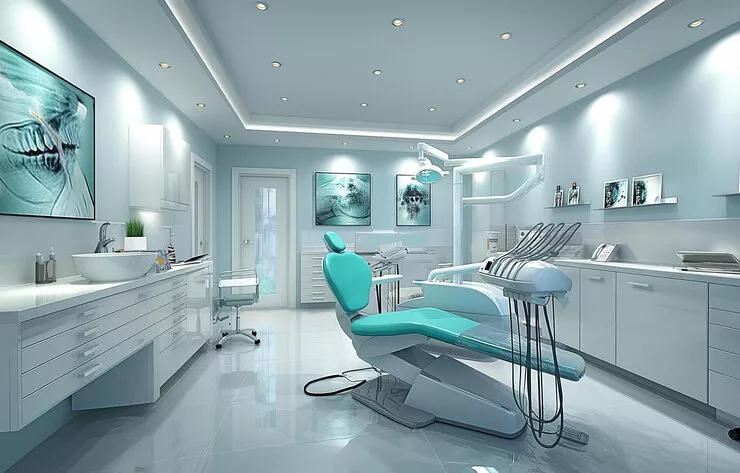
Optimizing Examination Room Layout
The layout of examination rooms should strike a balance between comfort and functionality. Patients should feel relaxed, while medical tools and equipment should be easily accessible to practitioners. Comfortable patient seating, appropriate lighting, and effective ventilation are key factors that designers must prioritize. Additionally, these rooms should be designed with privacy considerations in mind to ensure a sense of security for patients. A well-structured and ergonomic layout enhances workflow efficiency and improves the overall patient experience.
Modern vs. Classic Design for Medical Clinics
A modern design approach, characterized by clean lines and contemporary materials, creates a professional and advanced setting, making it ideal for specialized clinics. On the other hand, a classic design with warm colors and intricate details can foster a cozy and inviting atmosphere for patients. Choosing the right design style should align with the clinic’s specialty and target audience to reflect the brand identity while instilling trust and comfort among patients.
Noise Reduction Strategies in Clinic and Medical Office Design
One of the biggest challenges in clinic design is minimizing noise levels to maintain a peaceful environment. Using soundproof walls, soft flooring, and double-glazed windows are effective solutions to reduce noise pollution. Additionally, curtains and acoustic barriers in examination and waiting rooms can help limit sound transmission. A quiet and serene atmosphere not only enhances patient comfort but also allows medical staff to maintain better focus during their work.
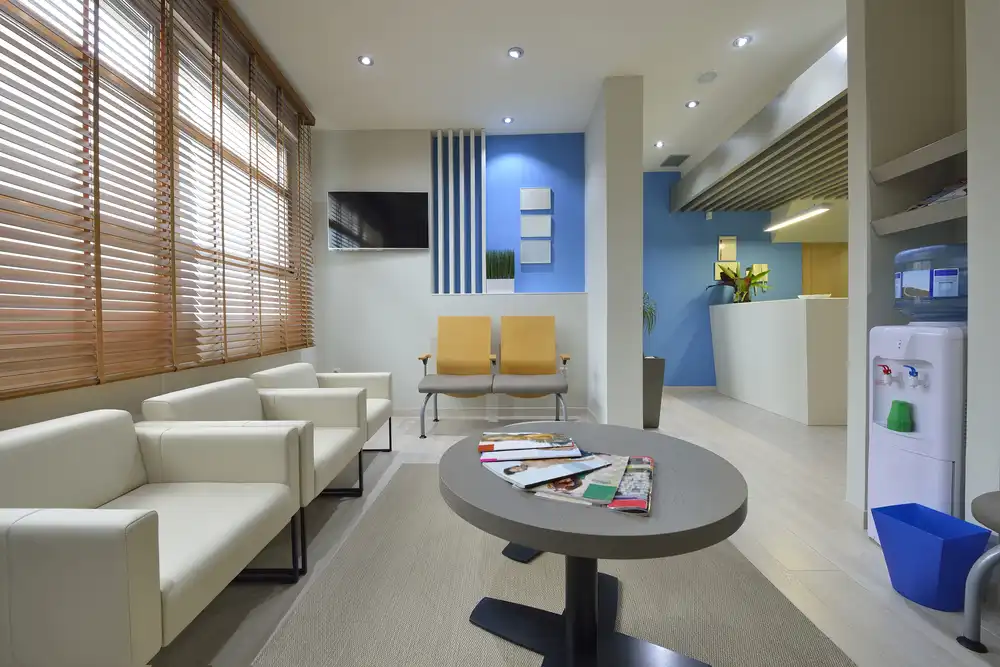
Waiting Room Design | Prioritizing Patient Comfort
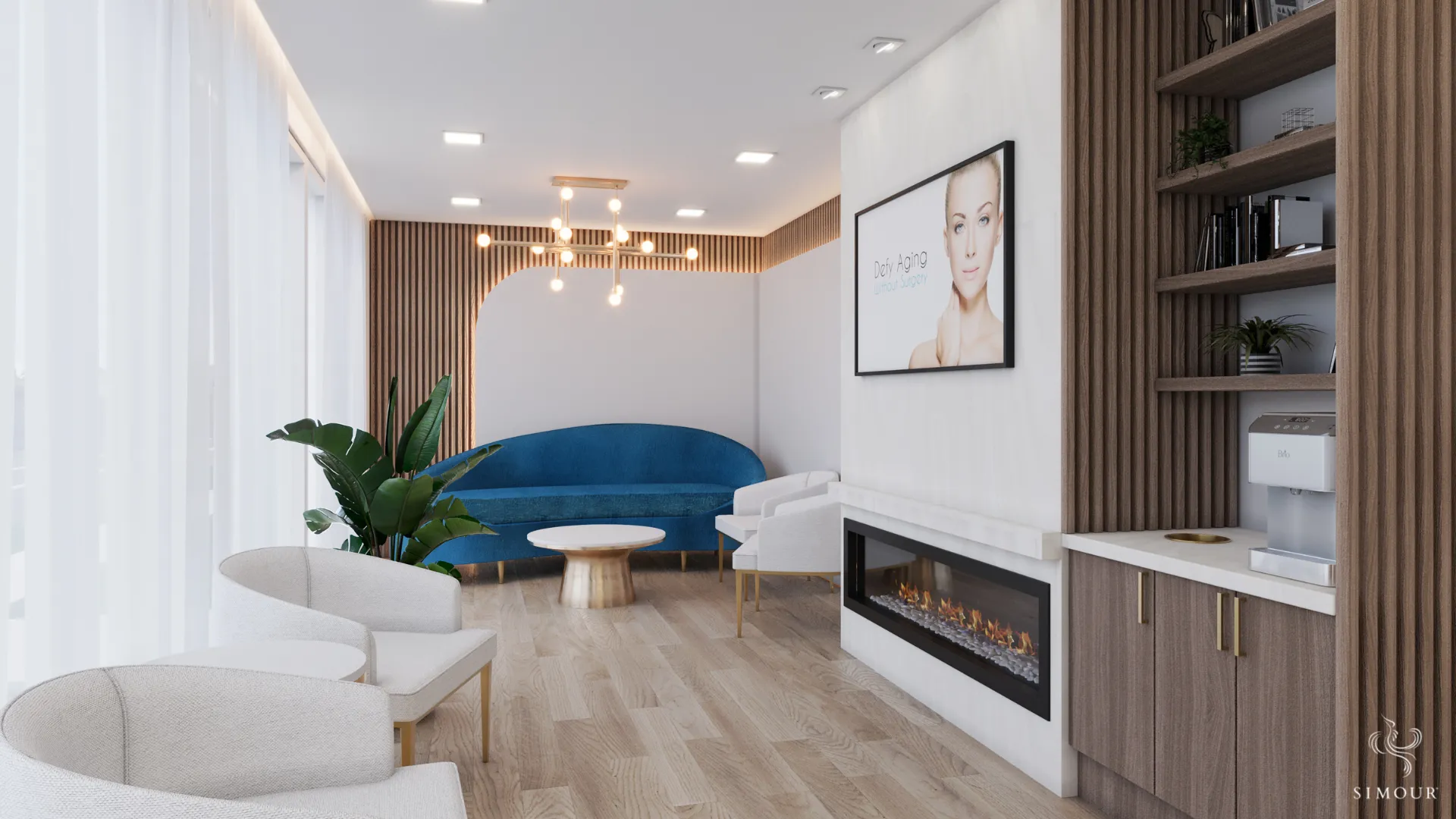
The waiting area is the first space patients encounter, making its design crucial in shaping their initial impressions. Comfortable seating, soft lighting, and adequate space improve the overall patient experience. Soothing colors and a well-organized layout help reduce anxiety and create a sense of security. A carefully designed waiting area not only prepares patients for their medical visit but also elevates their overall satisfaction.
Integrating Technology into Modern Clinics
Technology has revolutionized modern clinic designs, enhancing service quality and patient convenience. Implementing digital record-keeping systems, online appointment booking, information display screens, and smart lighting and ventilation systems significantly improves efficiency and patient satisfaction. By leveraging technology, medical treatments become faster and more accurate, while patients enjoy a seamless and modern healthcare experience.
Key Safety Considerations in Medical Office and Clinic Design
Safety is a top priority in medical office and clinic design, as any design flaws can compromise the well-being of patients and staff. Adhering to hygiene standards, using antibacterial materials, and installing non-slip flooring are essential measures. Wide doorways, ramps, and well-placed medical equipment contribute to better accessibility and patient safety. A well-designed clinic ensures that both healthcare providers and patients operate in a secure and functional environment.
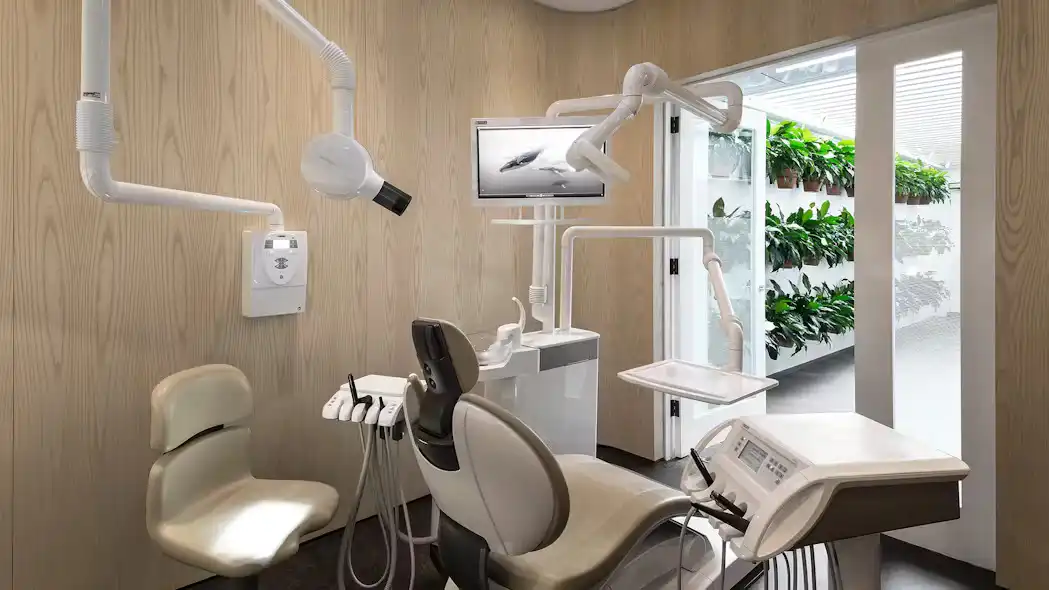
Tailoring Clinic Design to Specialized Medical Practices
Each medical specialty has unique design requirements. For instance, dental clinics require open spaces for maneuverability, while dermatology and aesthetic clinics demand enhanced patient privacy. When designing a clinic, it is crucial to address the specific needs of the specialty to ensure seamless operation and optimal patient care. Customizing the design based on the clinic’s specialization enhances both functionality and patient experience.
Hygiene-Centric Design for Medical Clinics
Hygiene is a top priority in clinic design. Utilizing easy-to-clean surfaces, antibacterial flooring, and washable wall coverings prevents the spread of infections. Ensuring a dust-free environment with proper ventilation and smart material choices enhances cleanliness and patient confidence. A meticulously designed clinic fosters a safe and sterile healthcare setting.
Does Clinic Design Influence Patient Trust?
Absolutely! Thoughtful clinic design significantly impacts patient perception and trust. A well-organized and aesthetically pleasing environment reassures patients that the medical team values precision and quality. Proper lighting, a tidy layout, and a clean setting instill confidence and help patients feel at ease during their treatment journey. A clinic’s design should visually reflect its professionalism and commitment to high-quality care.
Incorporating Greenery into Clinic Interior Design
Adding greenery to a clinic’s interior enhances tranquility and freshness. Plants not only beautify the space but also purify the air and reduce patient stress. Placing plants in waiting areas helps create a calming environment, improving both psychological and physical well-being. A clinic that integrates greenery demonstrates a commitment to patient comfort and holistic care.
Benefits of a Minimalist Approach to Clinic Design
A minimalist design emphasizes simplicity and decluttering, making it an ideal style for medical offices and clinics. Using neutral colors, streamlined furniture, and an uncluttered layout fosters a serene and orderly atmosphere. Minimalist design reduces visual distractions, helping patients feel more at ease while facilitating efficient clinic maintenance.

Professional Medical Clinic Design by Zeus Architecture Team
Designing a medical office or clinic requires meticulous attention to detail and adherence to specialized design principles. Every aspect—from the waiting room ambiance to safety and hygiene standards—should be carefully planned to enhance patient experience and streamline medical operations.
If you’re seeking innovative and professional solutions for your clinic design, Zeus Architecture is here to help. Contact our team for a free consultation and take the first step toward creating an ideal space for both patients and healthcare providers. With Zeus, bring your clinic design vision to life!