

The Difference Between Interior Architecture and Interior Design | Two Similar but Distinct Concepts
In the world of interior design and construction, terms like interior architecture and interior design are often mistakenly used interchangeably. But are these two fields truly identical, or do they have fundamental differences? In this article, we will introduce you to the definitions, roles, and responsibilities of each discipline. If you’re curious about their differences, stay with us.
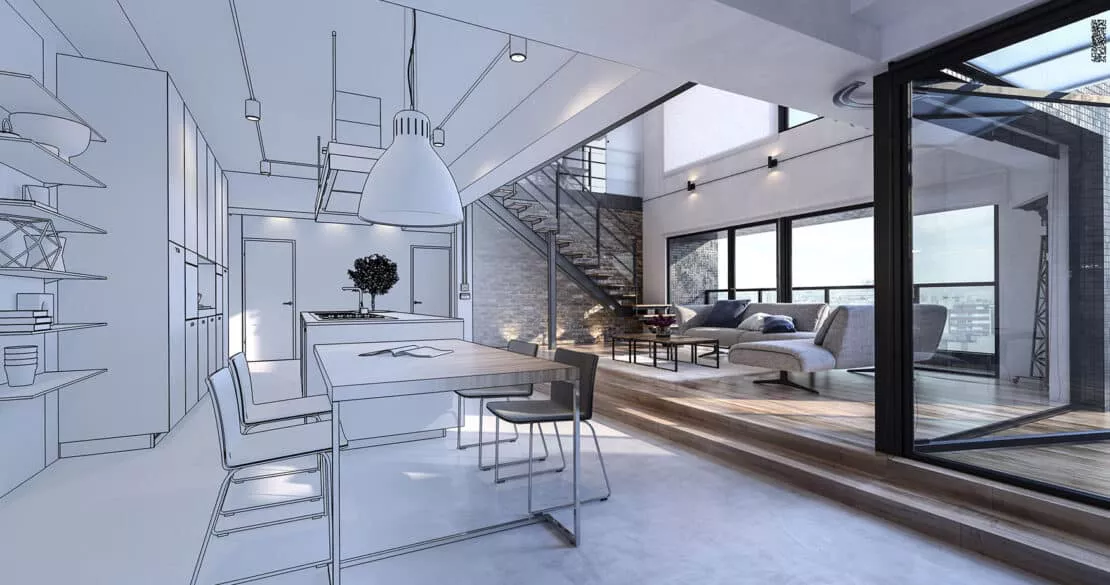
Definition of Interior Architecture and Interior Design
What is Interior Architecture?
Interior architecture is a branch of architecture that focuses on the design and structural renovation of interior spaces. This field is a blend of engineering and art, emphasizing functionality, safety, sustainability, and structural design. An interior architect has a deep understanding of technical aspects of buildings and often collaborates with engineering and architectural teams.
What is Interior Design?
Interior design focuses more on aesthetic aspects and the user experience of a space. This field involves selecting colors, furniture, lighting, and decorative elements to create an attractive and comfortable environment. An interior designer must reflect the client’s lifestyle and culture in the space’s design.
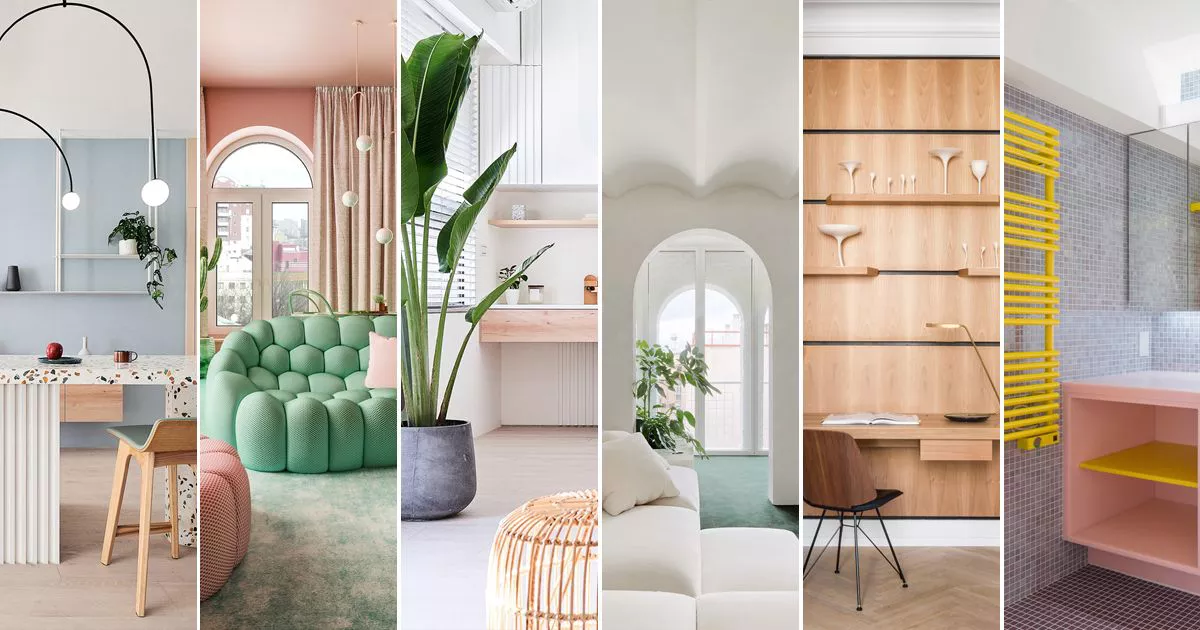
Key Differences Between Interior Architecture and Interior Design
✔ Focus Areas: An interior architect prioritizes the structure and function of a space, while an interior designer focuses on beauty and decorative details.
✔ Level of Expertise: Interior architecture requires technical knowledge in engineering and construction regulations, whereas interior design is more about creativity and artistic vision.
✔ Collaboration: Interior architects work closely with structural engineers and architects, whereas interior designers primarily collaborate with clients and furniture suppliers.
| Aspect | Interior Architecture | Interior Design |
| Primary Focus | Structural and functional design | Aesthetic and decorative details |
| Expertise Level | Requires engineering and architectural knowledge | Requires creativity and artistic sense |
| Collaboration | Works with engineers and architects | Works with clients and decorators |
Breaking It Down Further:
Interior Architect: Focuses on space planning, walls, ceilings, floors, and layout optimization to ensure safety, efficiency, and sustainability.
Interior Designer: Specializes in color schemes, materials, patterns, and furnishings to create an inviting atmosphere.

Roles and Responsibilities of an Interior Architect
Structural and Functional Space Planning
An interior architect ensures the space is not only visually appealing but also functional and safe. This includes precise room layouts, traffic flow, and optimal spatial use.
Coordination with Structural Engineering and Building Architecture
A key responsibility of an interior architect is collaborating with engineers and architects to ensure that interior designs align with the overall building structure.
Incorporating Modern Materials and Technologies
Interior architects must stay updated on new building materials and technologies to enhance sustainability, safety, and aesthetic value.
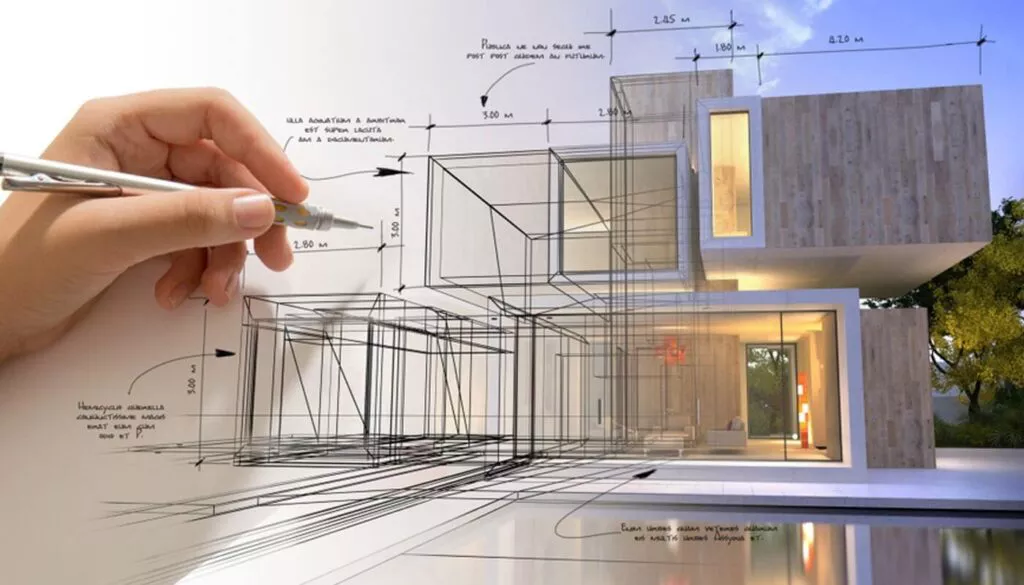
Duties of an Interior Designer
Enhancing Space with Aesthetic Details
Interior designers focus on choosing colors, patterns, and visual harmony to create an attractive and functional space.
Selecting Furniture, Lighting, and Decorative Elements
They carefully pick furniture, curtains, lighting, and artwork to ensure a cohesive and stylish environment.
Reflecting the Client’s Culture and Lifestyle
A successful interior designer understands the client’s needs, lifestyle, and personal taste, transforming their vision into reality.
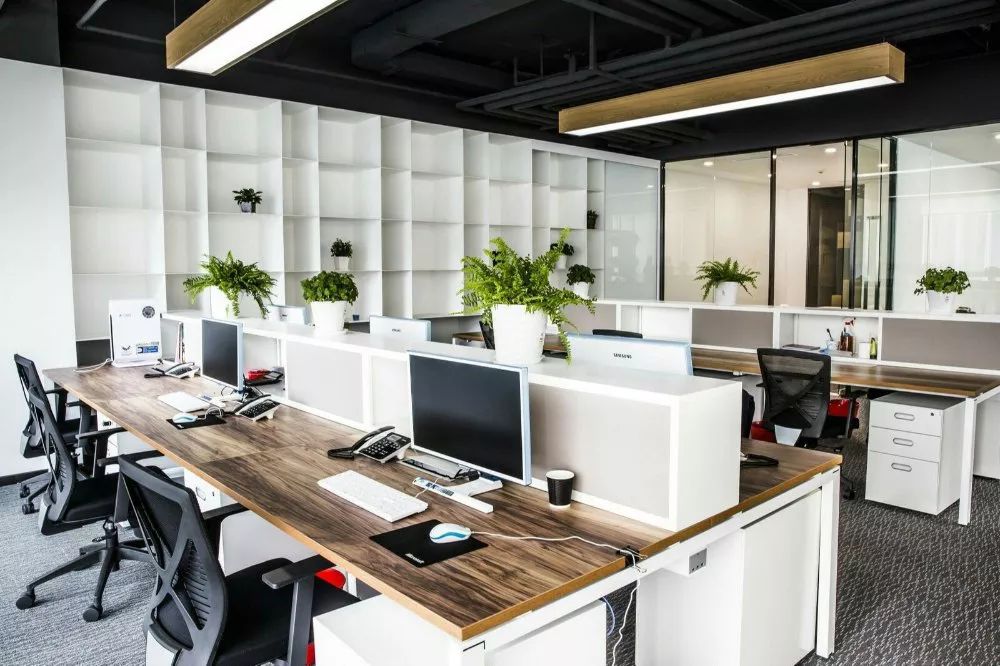
Who Works With Whom?
✔ Interior Architects collaborate with structural engineers, building architects, and technical teams to ensure structural integrity.
✔ Interior Designers interact more with artists, furniture suppliers, and craftsmen to achieve decorative harmony.
How Does Creativity Play a Role in Each Field?
✔ In Interior Architecture: Creativity is used to design practical, innovative spaces and solve structural challenges.
✔ In Interior Design: Creativity is essential in choosing artistic details, color schemes, and decorative elements.
Required Skills for Each Profession
✔ Technical and Engineering Skills in Interior Architecture:
- Proficiency in 2D and 3D drafting software
- Knowledge of building materials and modern construction technologies
- Understanding of safety standards and building regulations
- Ability to collaborate with engineering teams
✔ Artistic and Aesthetic Skills in Interior Design:
- Mastery of design principles, composition, and color theory
- Familiarity with various design styles (modern, classical, minimalist, etc.)
- Expertise in furniture selection, lighting, and decorative arrangements
- Ability to translate client preferences into practical designs
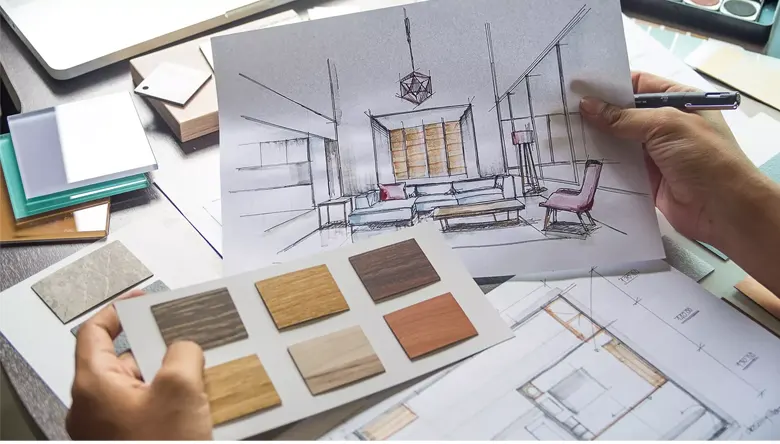
Tools and Technologies Used
✔ Software for Interior Architecture:
- AutoCAD – For 2D and 3D architectural drawings
- Revit – For Building Information Modeling (BIM)
- SketchUp – For quick 3D visualizations
- 3ds Max – For rendering and visual representation
✔ Software for Interior Design:
- Adobe Photoshop & Illustrator – For graphic designs and concept presentations
- RoomSketcher or Planner 5D – For layout and design planning
- Lumion & V-Ray – For high-quality rendering and lighting simulation
- MoodleBoard – For design inspiration and mood boards
How Do Interior Architecture and Interior Design Complement Each Other?
Despite their differences, these two disciplines work together harmoniously:
✔ An interior architect provides a well-structured foundation for the interior designer to enhance aesthetics.
✔ Collaboration leads to optimized projects that are both functional and visually stunning.

The Impact on User Experience
✔ How Interior Architecture Enhances Space Optimization:
- Improves layout efficiency for better space utilization
- Ensures smooth movement and accessibility within the space
✔ How Interior Design Influences Comfort and Aesthetics:
- Color schemes and lighting create a welcoming atmosphere
- Ergonomic furniture and quality materials enhance user comfort
Comparison in Different Projects
| Project Type | Interior Architecture | Interior Design |
| Residential Spaces | Optimizing kitchen layouts, designing multi-purpose rooms | Selecting wall colors, furniture, and decorative elements |
| Commercial Spaces | Designing efficient retail layouts for customer flow | Creating a visually appealing brand experience |
Successful Case Studies
✔ Residential: A small apartment transformed using glass partitions for better light distribution.
✔ Commercial: A café designed with warm lighting and cozy furniture to enhance customer experience.
✔ Corporate: A modern office space with collaborative areas and minimalist design elements.
Can One Person Be Both an Interior Architect and an Interior Designer?
✔ Advantages:
- Comprehensive expertise in both structural and decorative aspects
- Reduces time and cost for clients
✔ Challenges: - Requires extensive learning and experience
- May lead to less specialization in either field
- Time management can be difficult for large projects
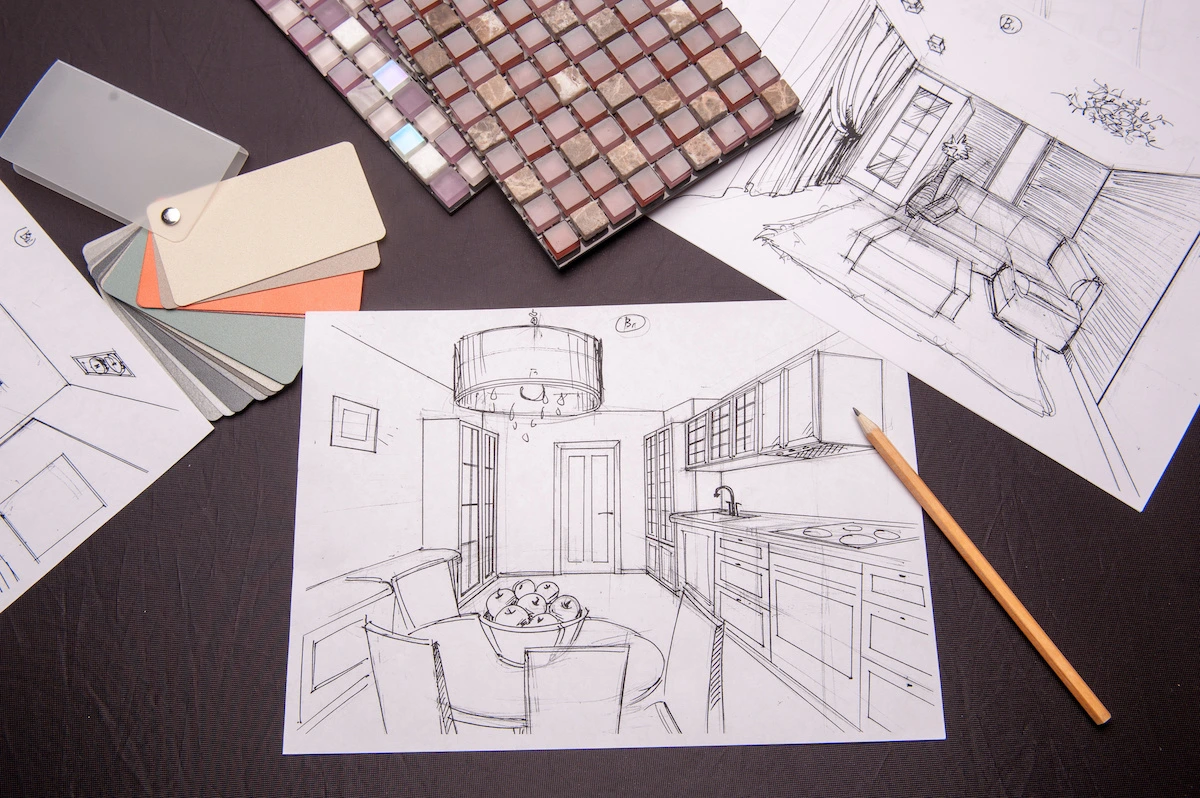
Why Understanding the Differences Helps You Choose the Right Professional
✔ If a project requires major structural changes, an interior architect is essential.
✔ If the goal is to enhance aesthetics and ambiance, an interior designer is the right choice.
✔ For large-scale projects, collaboration between both professions yields the best results.
What’s Your Opinion?
How do you think interior architecture and interior design can create the perfect space together? Share your thoughts in the comments!