
What is a Conference Hall, and What Details Should It Have?
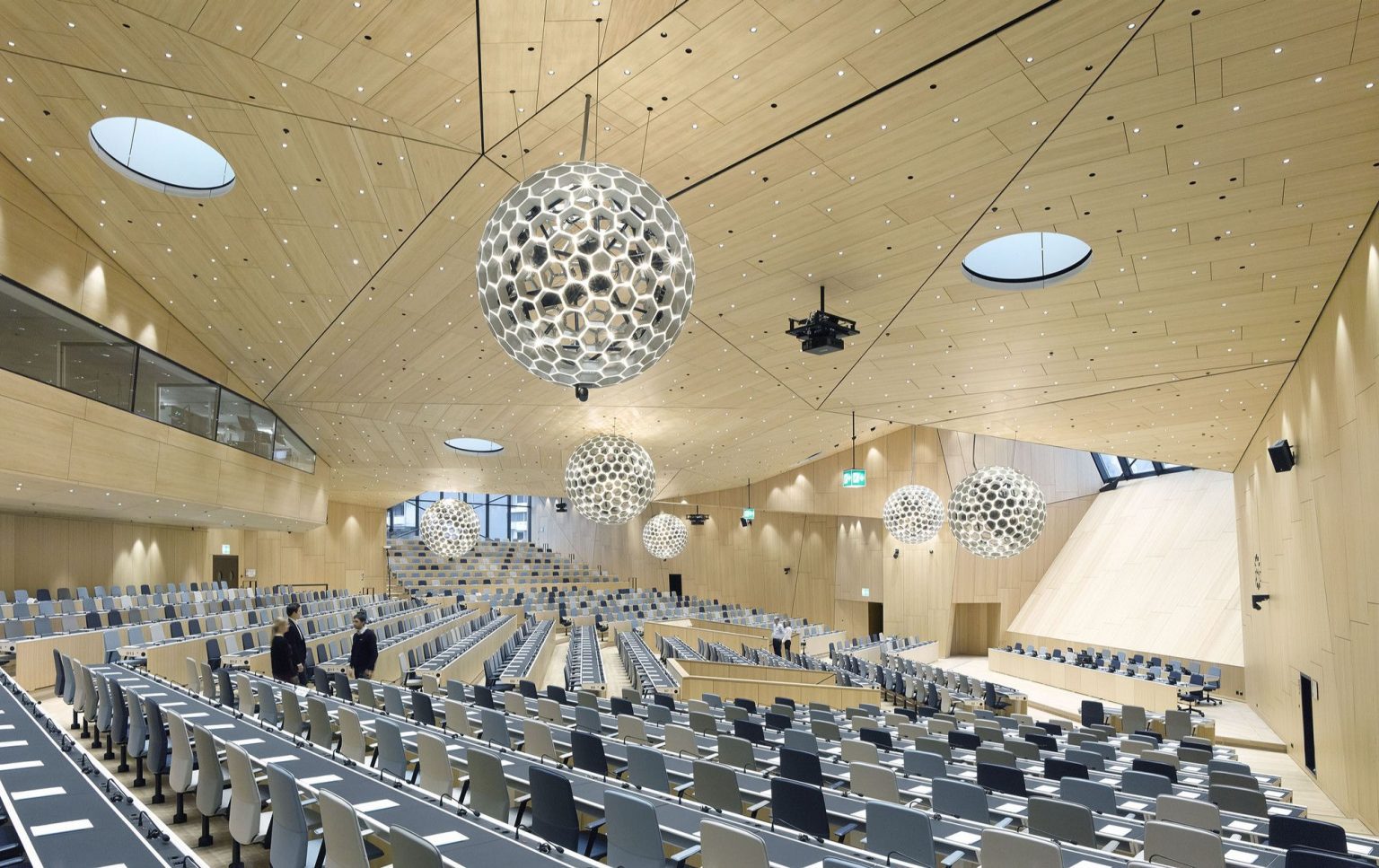
Conference halls are among the most essential spaces for hosting large and specialized events. Designing and constructing a conference hall requires careful attention to various details that ensure not only aesthetics and functionality but also comfort and an optimal audience experience. In this article from Zeus, we will explore the process of designing and constructing conference halls, essential equipment, and how they differ from conference rooms and meeting halls. We will also discuss key applications of these spaces and the reasons why choosing a conference hall is crucial for large events, helping you make the best decision for selecting a suitable venue.
How is a Conference Hall Constructed?
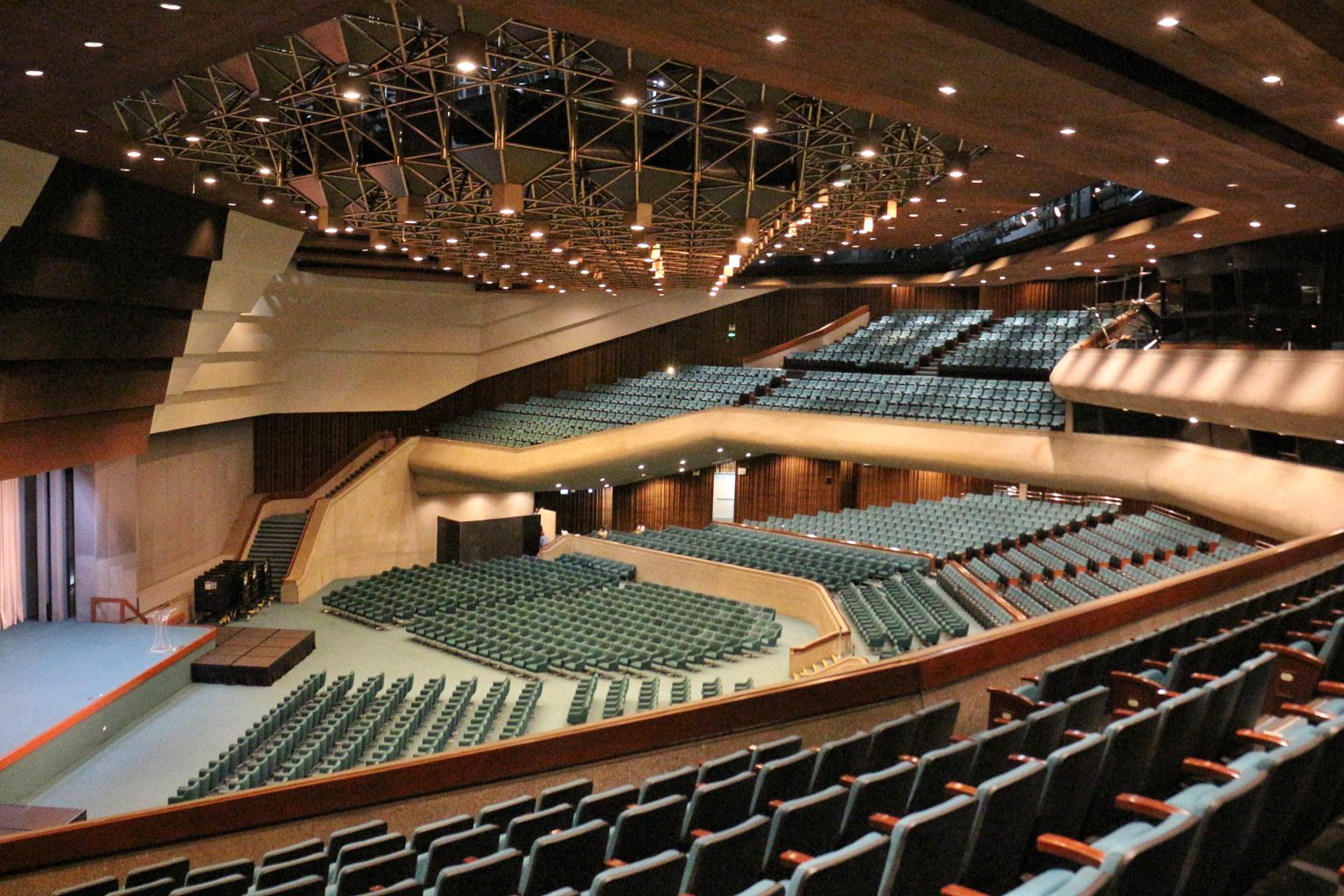
Building a conference hall requires a detailed analysis of a complex process involving multiple stages. The first step is to thoroughly assess the needs of the space, ensuring that the dimensions and structure of the hall are tailored to the type of events that will be hosted. Several factors must be considered, including capacity, geographical location, ventilation systems, lighting, and safety standards.
Once the initial design is developed, selecting the right materials such as concrete, steel, and glass is crucial for durability and aesthetics. Finally, implementing the project with adherence to engineering principles and rigorous supervision ensures a high-quality conference hall ready for operation.
How to Design a Conference Hall?
The design of a conference hall should align with the type of events it will host. Here are the key steps:
- Determining Capacity – The first question to address is: What is the maximum number of attendees the hall should accommodate?
- Interior Layout – The space must be designed to provide optimal visibility and easy access to facilities for all attendees.
- Lighting & Acoustics – Proper lighting and sound systems must be integrated for clear visibility and audio quality.
- Advanced Equipment – The hall should include large display screens, video recording systems, and VIP areas.
- Flexibility – The design should allow for adjustments and reconfigurations based on different event types.
What are the Essential Equipment for a Conference Hall?
A conference hall must be equipped to seamlessly accommodate various event types. Key features include:
- Advanced Sound Systems – High-quality microphones, speakers, and audio processing units.
- Professional Lighting – Spotlights and ambient lighting for stage focus and attendee comfort.
- Large Display Screens & Projectors – Ensuring clear visibility for presentations and visuals.
- Comfortable Seating – Ergonomically designed chairs for long-duration events.
- Technology Integration – Space for laptops, wireless microphones, and Wi-Fi connectivity.
- Ventilation & Climate Control – Maintaining a comfortable temperature and air circulation.
Applications & Benefits of a Conference Hall
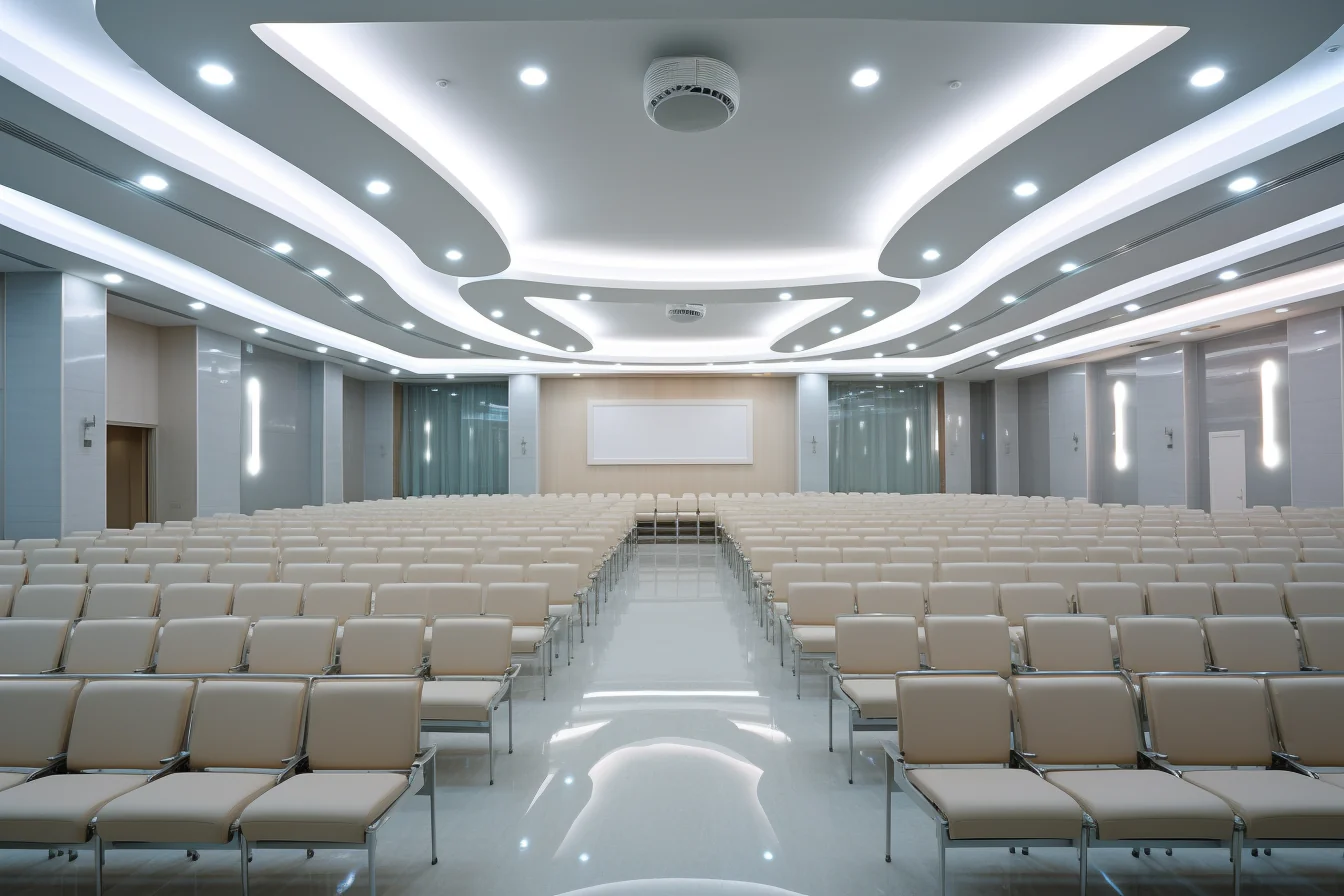
Conference halls serve various purposes, including conferences, scientific symposiums, trade exhibitions, and business events. Their large and adaptable spaces allow for quick reconfiguration to suit different event needs. Additionally, due to their modern equipment, audience comfort, and additional services, they are among the best choices for hosting significant events.
How is a Conference Hall Different from a Conference Room?
While both are designed for formal events, there are notable differences:
- Conference Halls – Typically have higher capacity, making them suitable for large-scale scientific or commercial events.
- Conference Rooms – Designed for smaller, semi-private meetings and business discussions with simpler layouts.
- Audio-Visual Capabilities – Conference halls feature more sophisticated sound and video equipment compared to conference rooms.
What is the Difference Between a Conference Hall and a Meeting Hall?
Both are designed for group gatherings, but:
- Conference Halls – Suitable for larger audiences and offer more advanced features.
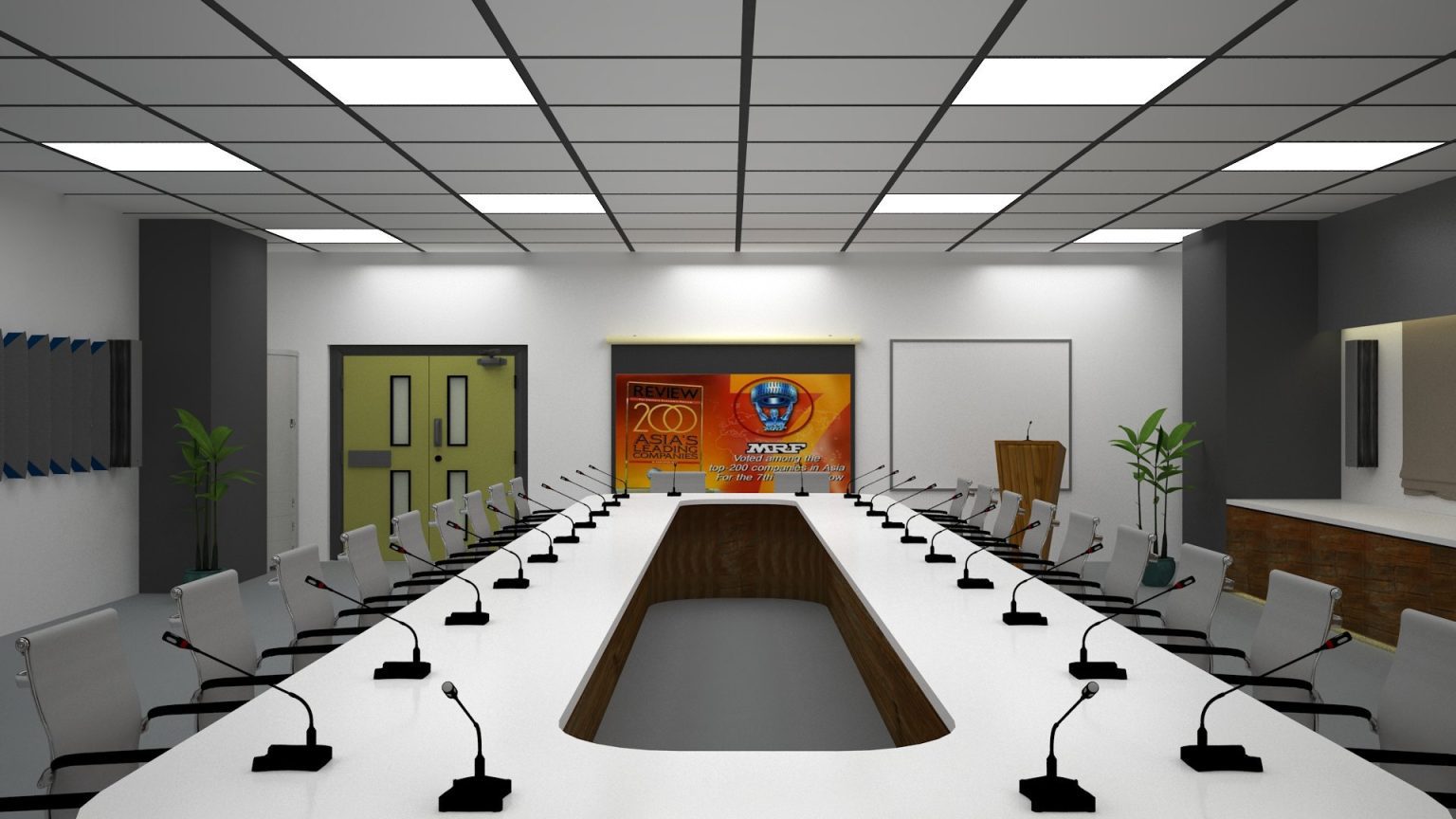
- Meeting Halls – Designed for smaller meetings, seminars, and discussions with fewer than 100 participants.
- Flexibility – If you need a venue for large-scale gatherings, a conference hall is the best choice.
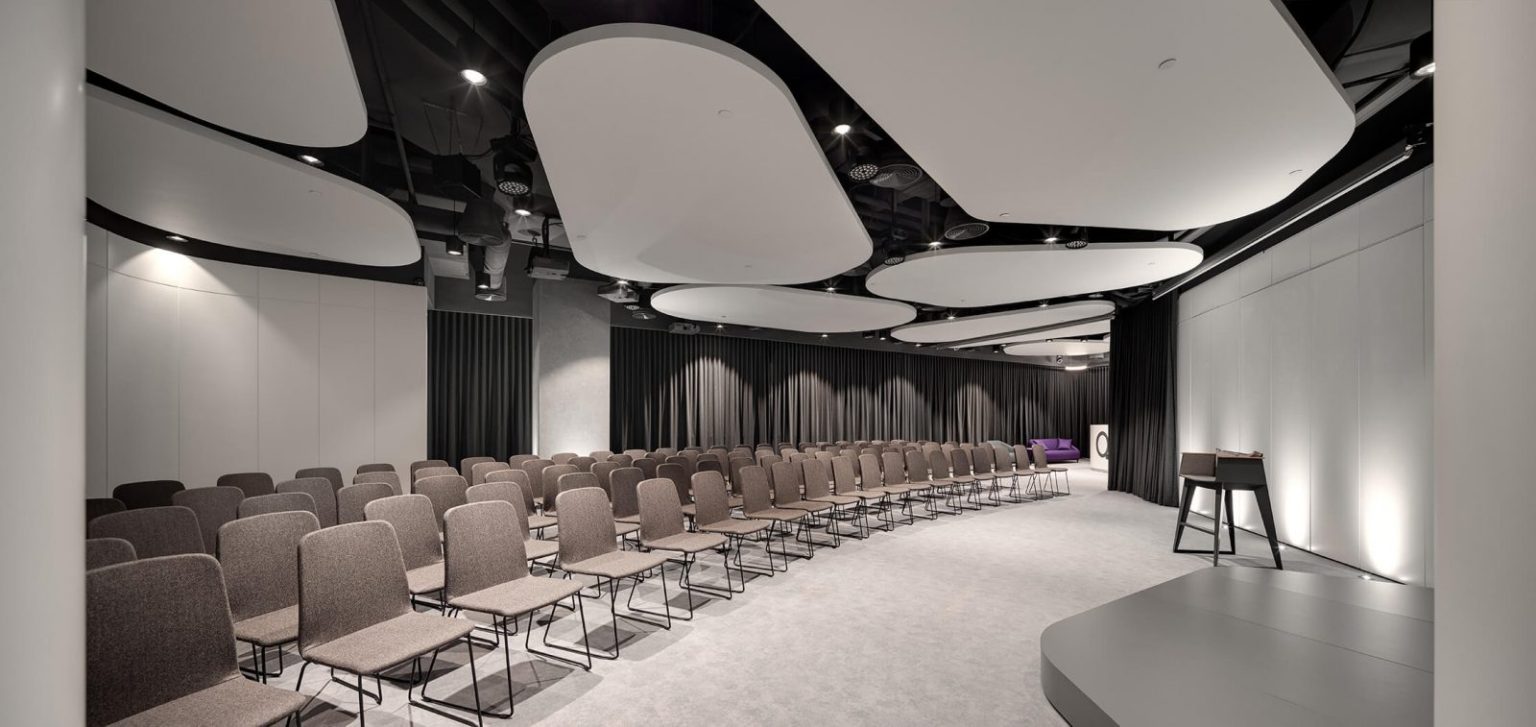
Why Are Conference Halls Essential for Large & International Events?
Due to their large space, advanced facilities, and flexible layouts, conference halls are crucial for hosting global events. These venues allow interaction with large audiences, provide optimal visibility, and offer multi-functional spaces for keynote speeches, workshops, and exhibitions.
Furthermore, conference halls feature state-of-the-art sound and video systems, professional lighting, and VIP areas, ensuring a seamless event experience with high-end amenities.
Key Features of a Standard Conference Hall
In addition to the aspects mentioned earlier, a high-quality conference hall should include:
- Safety Compliance – Fire exits, emergency response systems, and security monitoring.
- Proper Ventilation – Ensuring fresh air circulation for comfort.
- Accessibility & Facilities – Restrooms, restaurants, and lounge areas should be easily accessible.
- Modern & Functional Design – A flexible layout that allows easy modifications.
Essential Considerations in Conference Hall Design
Several factors should be taken into account when designing a conference hall:
- Strategic Location – The venue should be easily accessible for all attendees.
- Unobstructed Visibility – The hall must be designed so all attendees have a clear view of the stage.
- Optimized Sound & Video Systems – These should be strategically placed to ensure consistent quality throughout the venue.
- Climate Control & Seating Design – Ensuring temperature regulation, ergonomic seating, and appropriate lighting for a comfortable experience.
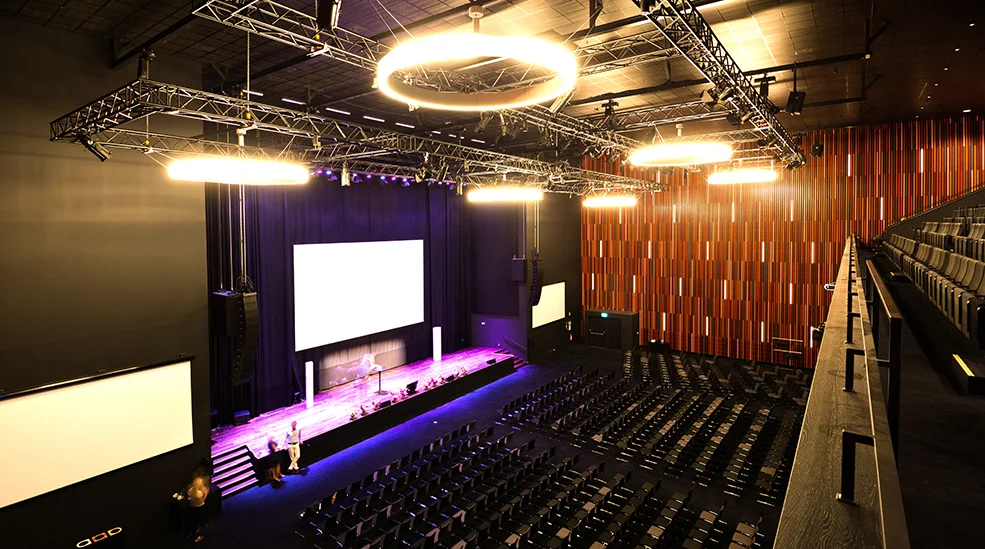
Conference Halls for Various Event Types
Thanks to their versatile features and high-tech infrastructure, conference halls are suitable for a wide range of events, including:
- Business Conferences
- Academic Seminars
- Trade Exhibitions
- Celebrations & Ceremonies
- Performing Arts & Concerts
Conference halls can be customized to accommodate any event, making them an ideal choice for gatherings of all sizes.
Conference Hall Design by Zeus Architecture Team
Designing and constructing a conference hall requires precision, expertise, and attention to detail to create an ideal and efficient space for major events. Zeus Architecture Team, with years of experience in professional conference hall design, supports you from concept creation to final implementation.
With a focus on modern standards, cutting-edge technology, and innovative designs, Zeus creates aesthetic and highly functional spaces that provide a memorable experience for attendees.
If you are looking for a unique and professional conference hall, Zeus is ready to turn your vision into reality.