

Facade of the building | A to Z of an Artistic specialty
It has long been said that “Some people see with their eyes, not their minds”. a saying that describes the facade of a building in the world of architecture. Nothing can display this truth as powerfully as a building’s facade.
Our first connection with any structure begins with its facade; a view that displays the designer’s intellect, aesthetic sense, and creativity in one moment. Much like a person’s first impression, which conveys identity and emotions at first glance, a building’s facade communicates more than what meets the eye.
At Bunyan Architecture Company, we approach facade design as an opportunity to create a distinctive piece of art; a visual experience that not only captivates but also narrates a tale of artistry, functionality, and innovation. If you seek a facade that combines intelligence and uniqueness with breathtaking beauty, this article is tailored for you. We aim to immerse you in the realm of facade design, where every detail can significantly impact and express the individuality of your building in an extraordinary way.

Facade of the building | The first thought that comes to your mind!
Imagine yourself strolling down in a new street; old and modern buildings are lined up to each other’s, yet one structure draws your gaze. Perhaps it’s the unique color palette, distinctive texture, or an architectural style that sets it apart from the other buildings.
You stop unconsciously and take a deeper look. This is the moment when the design of the facade truly shines. The first impression of a building is exactly like meeting a new person; it’s striking and leaves a memorable mark on your mind. The facade shapes how people perceive, feel, and form their initial judgments about the building.
A fresh and appealing view can create feelings of trust, creativity, and innovation in the observer. In a business environment, an eye-catching facade can lead customers to unconsciously perceive that they have entered a professional and genuine atmosphere, enhancing their sense of value regarding their purchase.
In residential buildings, an aesthetically pleasing facade enhances visual appeal while demonstrating consideration and respect for the surrounding environment. The facade of the building not only as crucial as first impression but also evolves into a lasting symbol of the quality and precision evident in its design and construction.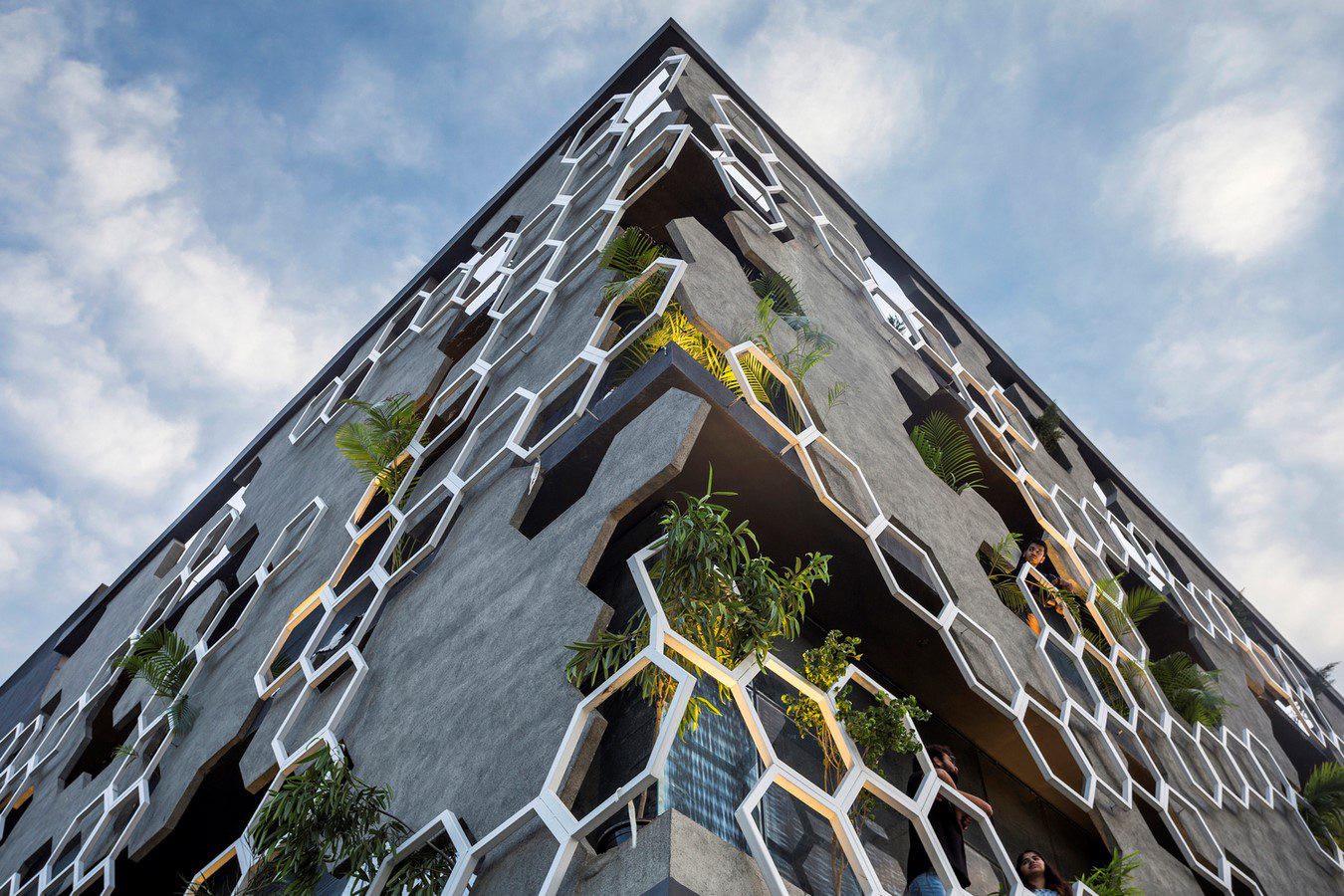
The Role of Aesthetic in performance service
How does the facade influence a building’s future? While an attractive facade is often appreciated, it should not be the sole measure of architectural excellence. Instead, the facade must be connected to the building’s intended functions.
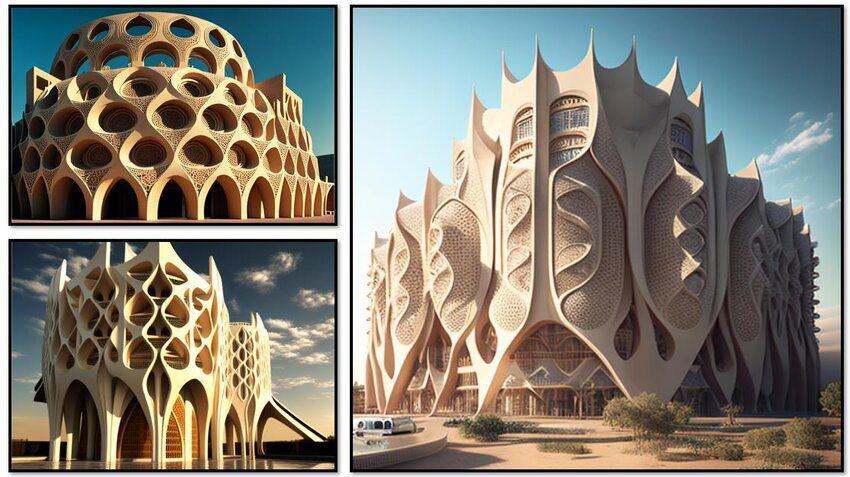
Suppose an office building featuring a prominent glass facade exemplifies a design that is both contemporary and transparent. This facade not only allows direct natural light to illuminate the interior but also significantly minimizes the reliance on artificial lighting. This serves as a clear illustration of how aesthetic appeal can harmoniously coexist with practical functionality in facade design.
Or for example, in arid and hot regions, the implementation of facades featuring specialized shades and grooves can significantly reduce direct sunlight exposure, thereby maintaining a more balanced and cooler internal temperature within the building. An environmentally compatible landscape design not only enhances aesthetic appeal but also contributes positively to the quality of life for its residents. Furthermore, the building’s facade can incorporate sound and thermal insulation, thereby increasing comfort for its occupants.
Ultimately, it is essential to recognize that the aesthetic value of a facade extends beyond mere visual appeal; it is intrinsically linked to the comfort and efficiency of the structure, thereby enriching the overall experience of individuals living or working in that space.
Facade design for every preference and way of life | Pick your style
Every structure has a story to tell, and its facade is the way it shares that tale with the world. Selecting the perfect facade style not only showcases the building’s character but also mirrors the owner’s taste and lifestyle.
Consider those who value simplicity and minimalism; they tend to favor designs with sleek lines, expansive glass, and understated materials. For them, it’s all about creating a sense of tranquility and mental clarity.
On the other hand, if someone appreciates elegance and intricate details, they might prefer a design that features classic elements and lots of embellishments. Think tall columns, stone sculptures, and high-end materials that really catch the eye. Whatever style is picked for the building should blend well with its surroundings and how the space is used.
To put it simply, a sleek modern design in a historic area might not fit well from a city planning perspective, just like a traditional style in a contemporary neighborhood can create an unusual contrast.
At Bunyan Company, we understand that everyone has their own unique tastes and needs. That’s why we provide a range of facade design styles for our valued customers. Whether you’re into sleek, modern looks or prefer the elegance of a classic design, we take the time to craft a facade that matches your style and vision, showcasing the true character of your building.
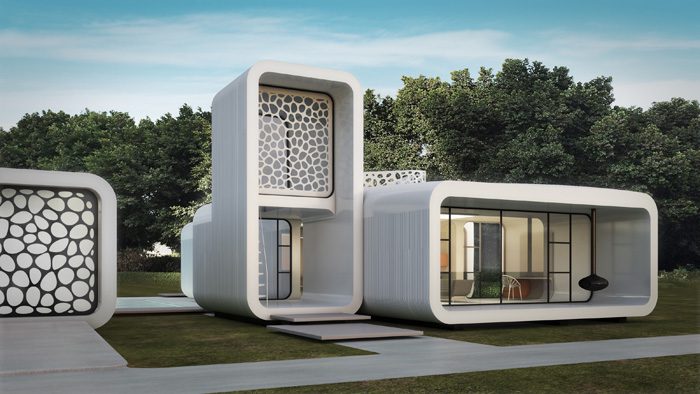
Types of building facade designs | How many types of facade designs do we have?
Facade designs can be categorized based on architectural styles, climate, and building types. Here’s a quick overview of the different facade design types, followed by a deeper dive into which styles work best for specific buildings and climates:

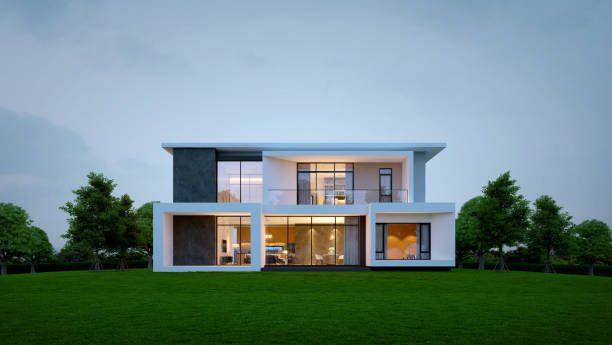
Modern facade
Modern facade design is all about simplicity, clean lines, and using cutting-edge materials like glass, concrete, and metal. The aim is to achieve a minimalist aesthetic that highlights both form and function.
Modern style details:
- Use of large windows and open view.
- Utilization of materials like glass, concrete, metal, and composites.
- Clear and simple horizontal and vertical lines.
This style is used in modern commercial, office and residential buildings in city environments.
Ideal climate conditions for modern facade design:
This style works best in temperate and cooler climates where natural light plays a crucial role. In tropical areas, large glass facades can raise indoor temperatures unless effective thermal insulation is implemented.
Classical facade
The classic view is derived from old architecture, particularly that of the Romans and Greeks. This type of facade seeks to create splendor and glittering details and heavy materials such as marble or brick are used in this type of facade.
Classical Style Details:
- Large columns and intricate decorations with lots of details.
- Embossed carvings, inscriptions, and decorative capitals.
- The use of natural stones, plastering and brickwork done with a touch of elegance.
You’ll often see this kind of facade on government buildings, hotels, museums, and upscale villas.
Suitable climatic conditions for classical facade design:
Suitable for areas with moderate and dry weather because their rich details wear out in a shorter time in humid or hot environments.

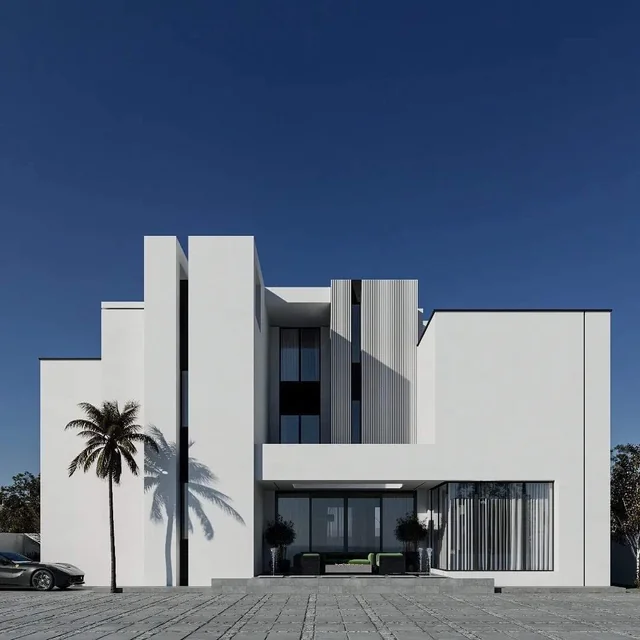
Minimal facade
The minimalist aesthetic is all about simplicity and a lack of clutter, focusing on maximizing space and light.
This style seeks more peace and order in the environment. Minimal style details:
- Using simple and neutral colors (white, gray, or black).
- It incorporates industrial materials such as concrete and metal, often with sleek finishes.
- It avoids any decorations and complex details.
You’ll often see this facade style in homes, small apartments, and office buildings.
Climatic conditions of minimal facade design:
When it comes to climate, minimalist designs need to be thoughtfully planned in hot regions to avoid overheating, making them a better fit for temperate and cooler climates.
Traditional facade
Traditional facade design draws from local materials and styles and is compatible with the environment and culture of the region. These facades aim to maintain the historical and cultural essence of the area.
Key features of the traditional style include:
- Incorporating natural materials like wood, stone, and locally sourced tiles.
- Sloped or elevated roofs to handle rain and snow.
- Unique, handcrafted decorations and details.
This style is commonly found in rural homes, villas, and structures that align with traditional architecture.
Climatic conditions of traditional facade design:
Depending on the design, these facades work best in either hot, dry regions or cold, snowy ones. For instance, bricks are favored in warmer climates, while stone and wood are more common in colder areas.

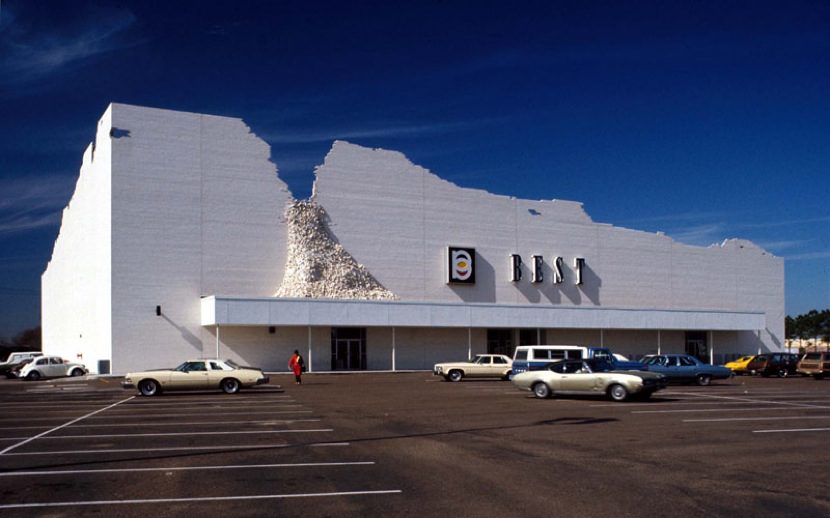
Postmodern facade
When it comes to postmodern design, it mixes various styles and embraces unique shapes and lines. This approach aims to produce imaginative and often asymmetrical visuals.
Postmodern style details:
- It features intricate geometric shapes and mixes various materials together.
- It creatively blends different colors and patterns.
- It doesn’t stick to one specific style, merging traditional elements with modern vibes.
You’ll often see this style in cultural buildings, museums, and unique art and architecture projects.
Ideal weather conditions for postmodern facade design:
Postmodern facades can thrive in any climate since their designs are super adaptable, allowing for the selection of materials that fit the local environment and weather conditions.
Industrial facade
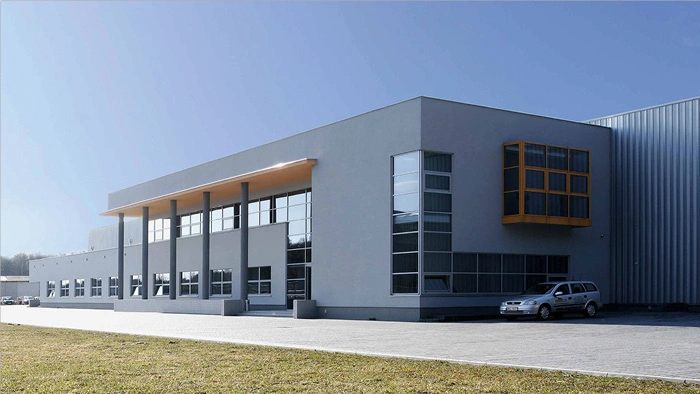
The industrial design draws inspiration from the vibe of vintage factories and workshops, often featuring raw materials without decorations. This aesthetic tends to give off a somewhat stark and serious feel, utilizing elements like metal, concrete, and industrial-grade wood.
Industrial style details:
- Facades made of metal or concrete, kept simple and unembellished.
- The use of wood and metal that gives stark and serious feel.
- Expansive windows and open spaces.
This design approach is popular in commercial spaces, art galleries, modern offices, and certain residential buildings that embrace a unique style.
Climatic conditions of industrial facade design:
This approach works well in city and industrial settings. For instance, places with a lot of rain need good insulation to avoid rust and other damage.
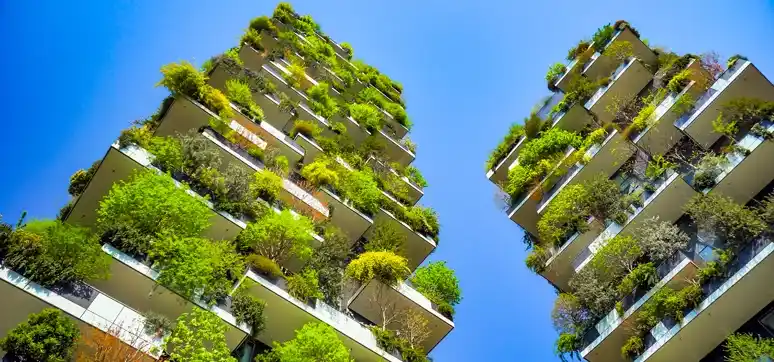
Eco-friendly facade (green facade)
This design focuses on energy conservation and be environmentally friendly.
This type of facade incorporates living plants, recycled materials, and materials that help to preserve the environment.
Ecological style features:
- Green walls covered with living plants.
- Incorporation of recycled and eco-friendly materials.
- Emphasis on natural light and ventilation to reduce energy consumption.
This style is perfect for modern offices, commercial spaces, homes, and government buildings that harmonize with the environment.
Ideal climate conditions for ecological facade design:
Great for urban settings with limited space for nature, as well as regions with hot, dry weather that require natural cooling.
Professional facade design | A view that leaves you speechless!
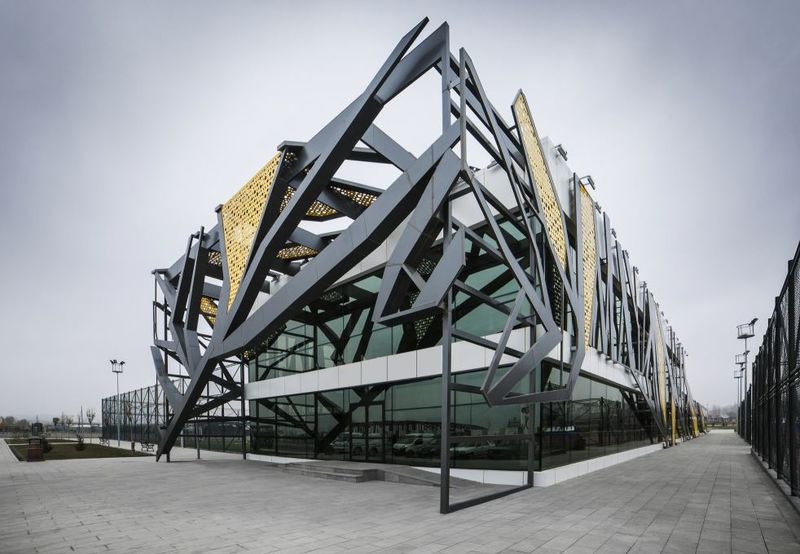
Nothing can make your project shine among similar buildings like a one-of-a-kind, eye-catching facade. When a facade of a building is crafted to captivate and inspire, that’s when the viewers realize they’ve stumbled upon something truly special. A well-designed facade not only grabs attention but also gives the building its own unique character. It sends a powerful message of artistry and innovation in an instant, compelling people to pause, admire, and reflect on its beauty. With the right design approach, your building’s facade can become a landmark for the street, neighborhood, or even the entire city, leaving everyone in awe.
Advanced facade design | A blend of art and technology
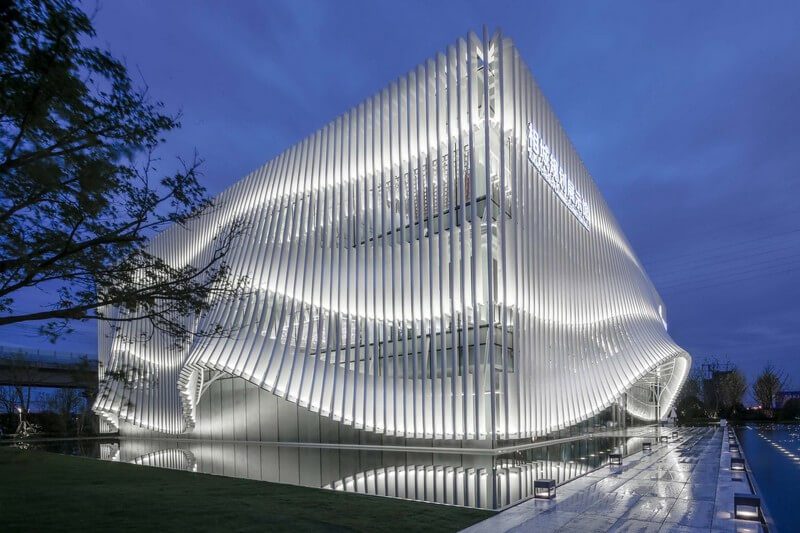
These days, architecture is more than just a form of art; it’s where creativity meets technology to craft stunning and smart masterpieces. Modern facades, enhanced by advanced technology, turn buildings into artistic expressions that showcase precision and style. With sleek glass facades featuring state-of-the-art sun protection and the use of innovative, striking materials that are both eye-catching and durable, all this shows the deep connection between art and technology.
This incredible combination has enabled designers and architects to reach their full creative potential, crafting facades that are not just stunning but also highly functional and smart. Nowadays, you can’t just rely on stone and concrete to stand out; modern technology lets architects break the mold and design buildings that are both visually striking and have special functions.
The facade of your building represents the city and its development!
When you visit a new place, the first thing that stands out is the architecture, especially the building facades. A building’s facade can blend in beautifully with its surroundings or completely change the vibe of the area. A distinctive and eye-catching facade can turn into a city landmark, something that people remember and recognize as a symbol rather than just something they walk by.
For instance, a modern facade alongside older buildings can really make a striking contrast and refresh the vibe of the area while still honoring its history. Meanwhile, a classic facade that incorporates local architectural features brings a feeling of unity and a sense of place. Ultimately, how you design your facade can greatly influence your city’s appearance and contribute to a lovely, inviting atmosphere.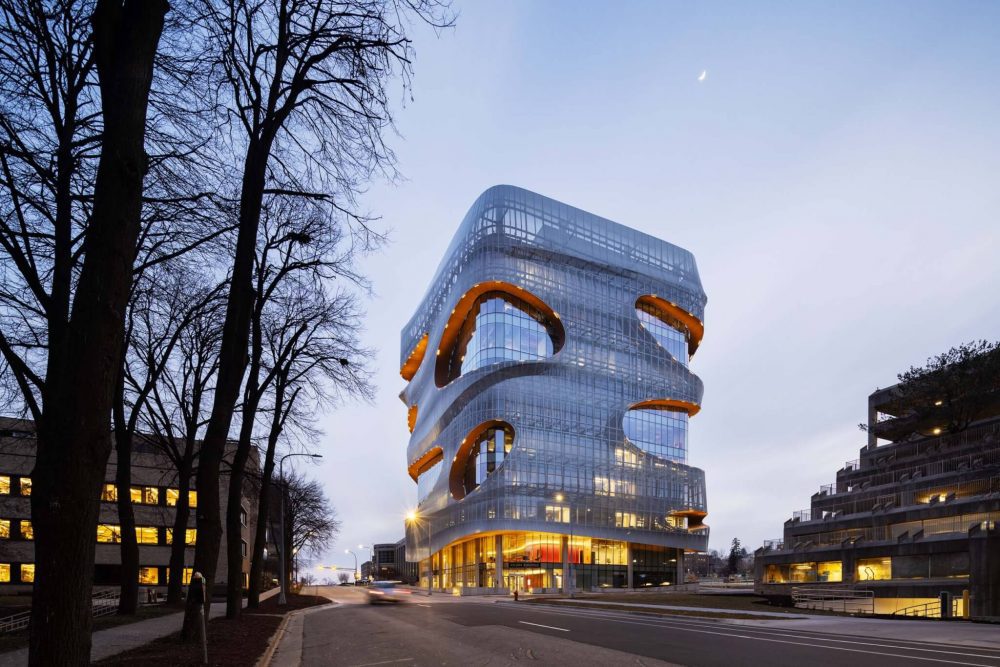
The impact of smart facade design on energy efficiency
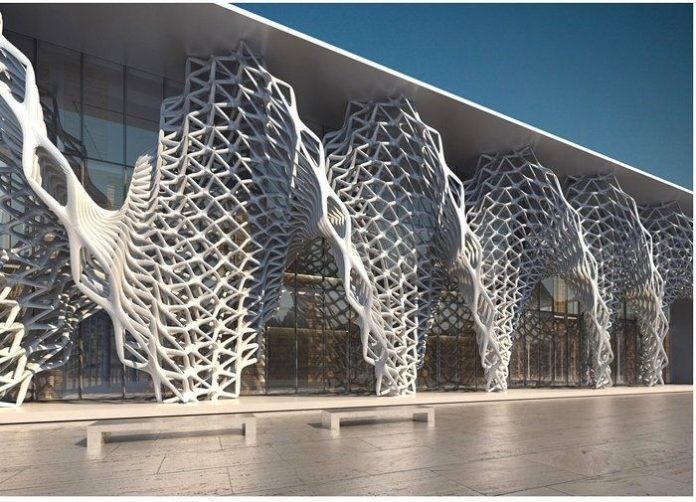
Nowadays, energy conservation is a hot topic, and building facades need to be more than just visually appealing; they should also promote sustainability and energy savings. A smart facade is designed to enhance the building’s internal environment while minimizing energy use through innovative technologies.
With advanced insulation system that stops energy wastage and windows that control light and heat with smart glass, every building facade plays a crucial role in managing energy effectively.
We should note that green facades, covered with living plants, do more than just look good; they help cool down the surrounding area and enhance air quality while providing natural thermal insulation. These facades benefit the environment and create a healthier living space for the building’s residents. A smart facade blends aesthetics, functionality, and sustainability, boosting the building’s appeal while also promoting resource conservation and lowering energy use.
Creating Your Perfect Facade | From Dream to Reality with Bunyan
Every building starts with the client’s vision. The facade design process begins by tuning into your ideas, aspirations, and unique requirements.
At Bunyan, we specialize in transforming your dreams and expectations into a beautiful and functional reality. We begin with a thorough assessment of the environment, the building’s purpose, and your personal style to generate initial concepts.
Next, we utilize advanced modeling software to craft 3D form, giving you a clear picture of what your building will look like in the future.
We’re with you from the initial design all the way through to the final touches, ensuring you get a look that’s just right for you. The Bunyan team combines creativity and skill to transform your imaginative ideas into a stunning reality.
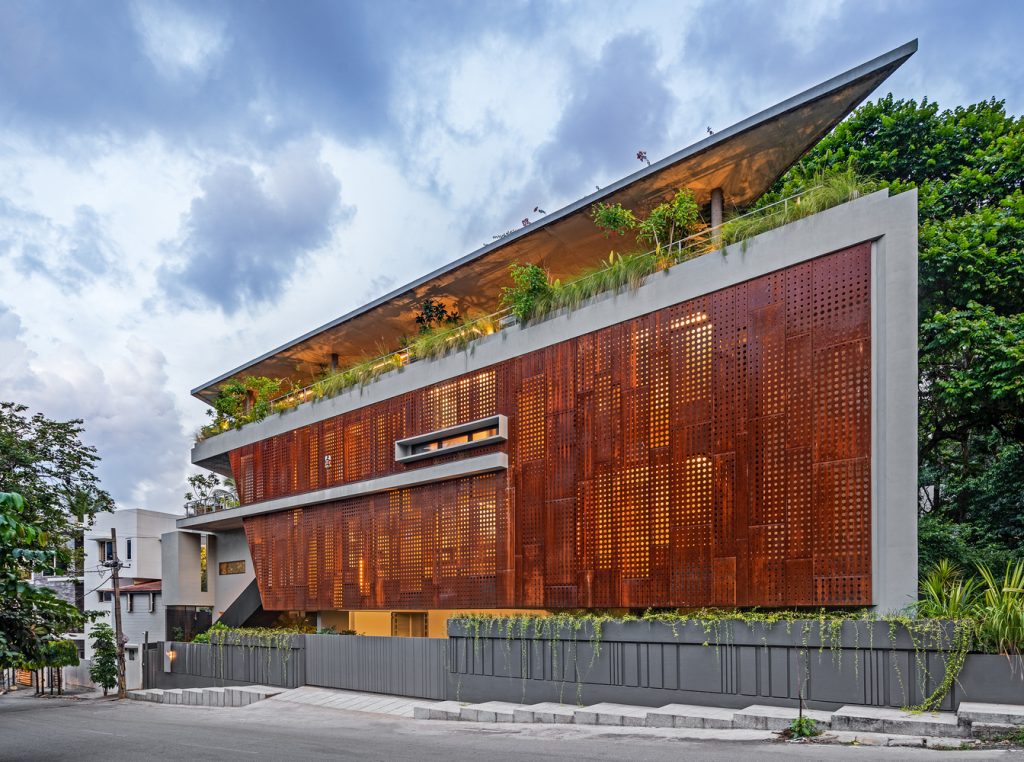
Facade design at night | The enchantment of light and shadow at night
A building’s impressive facade shines during the day, but it’s the nighttime lighting that truly brings it to life.
By playing with light and shadow in facade design, we create a captivating effect on your building that changes throughout the day. At Bunyan, we understand how crucial lighting is in showcasing the beauty of your facade. With our advanced lighting techniques, we’ll turn your architectural features into a nighttime masterpiece.
Lighting can show the unique aspects of a building and add depth and texture to its facade. In addition to visual beauty, smart lighting can enhance security and save energy. When designing the lighting, it’s important to focus on details like the angle, intensity, and color of the light.
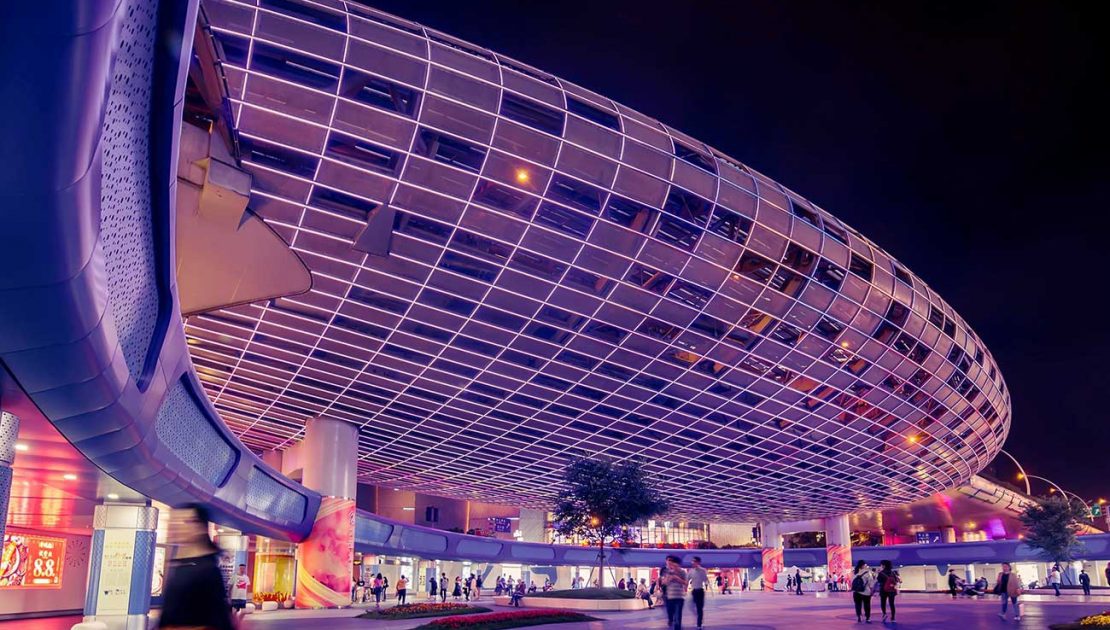
The building’s facade is the signature of your brand!
The facade of any building, especially commercial and office spaces, plays a big role in showcasing your visual identity and brand message. It’s the first thing customers and visitors notice, and it sticks in their minds as your brand’s signature. So, it’s super important that the facade design aligns with your brand’s values and messages, giving off vibes of trust, professionalism, and quality to everyone who sees it.
When it comes to picking materials, colors, and design, everything needs to vibe with your brand strategy. The building’s facade is just as crucial as your logo and ads; it plays a big role in shaping how people perceive your brand and can really help your building stand out with a unique identity.

The newest styles and technologies in facade design globally
Below, we have listed the most advanced facade design styles currently available, and we’re eager to explain each one with detailed explanations and successful case studies.
- Smart Facade
- Double-Skin Facade
- Parametric Facade
- Solar Facade
- Smart Glass
- Ventilated Facade
- Advanced Composite Materials
- Green Facade
- Building-Integrated Photovoltaics – BIPV
- Interactive Lighting Systems
- Self-Cleaning Materials
- 3D-Printed Facade
Smart Facade
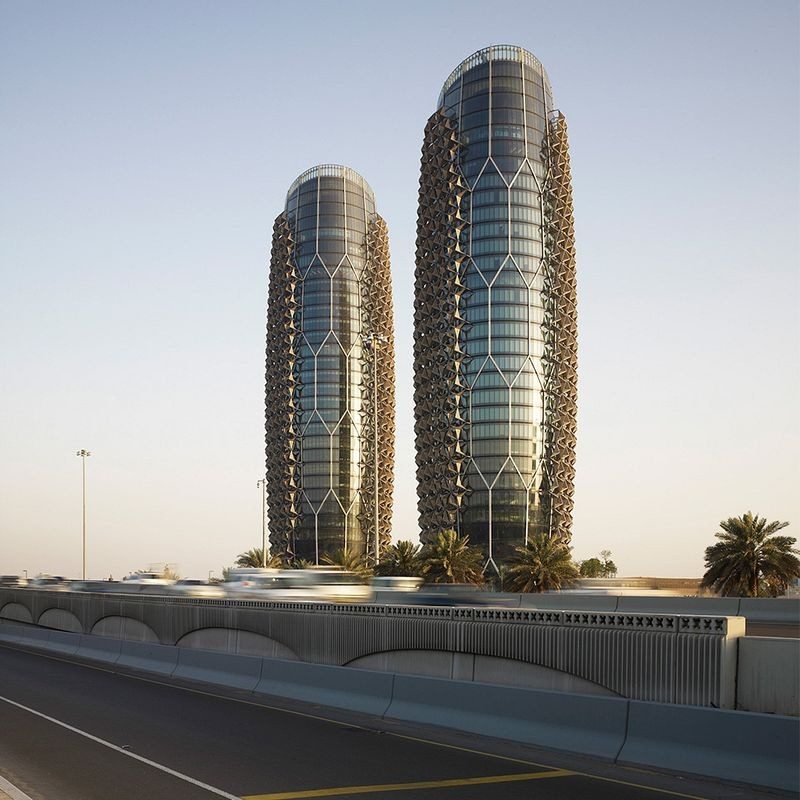
Facades like this come with smart systems that can turn on and off by themselves or adjust the materials based on things like sunlight, temperature, and wind. The goal of these facades is to boost energy efficiency while also making the interior feel cozy and upscale.
Example of smart facade design:
The “Al Bahar Towers” in Abu Dhabi features a smart facade design with adjustable panels that move in response to sunlight, helping to keep the interior cool and comfortable.
Double-Skin Facade
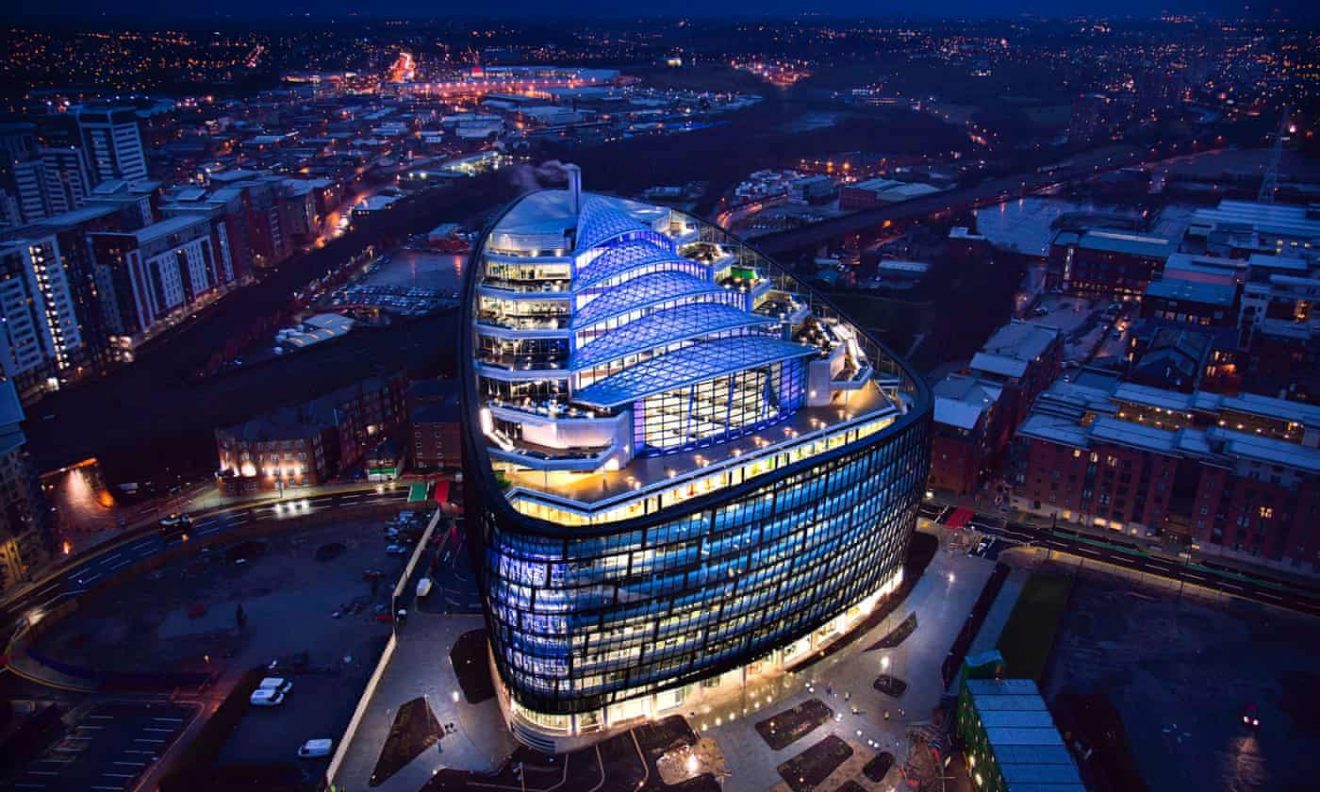
This system includes two layers of exterior panels, creating a gap in between. This gap serves as insulation for both temperature and sound, while also allows natural airflow and improved climate regulation.
Sample design of double skin facade:
The “One Angel Square building” in Manchester features a double skin facade designed to reduce energy consumption and improve ventilation.
Parametric Facade
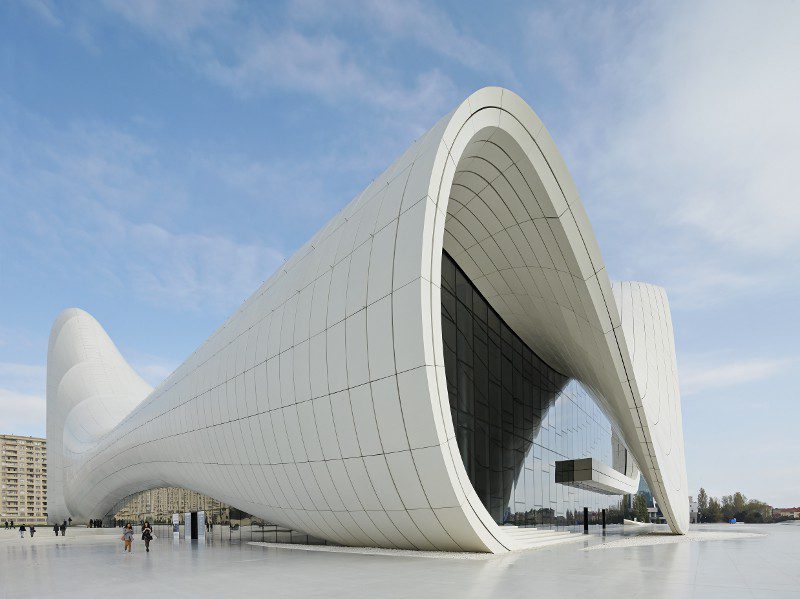
Parametric facades are created using complex algorithms and digital design techniques. These types of facades often have complex and unusual geometric forms that combine both aesthetic and practical functions.
Parametric facade design example:
The “Heydar Aliyev Center Museum” in Baku, designed by Zaha Hadid, is an outstanding example of parametric design in the facade.
Solar Facade
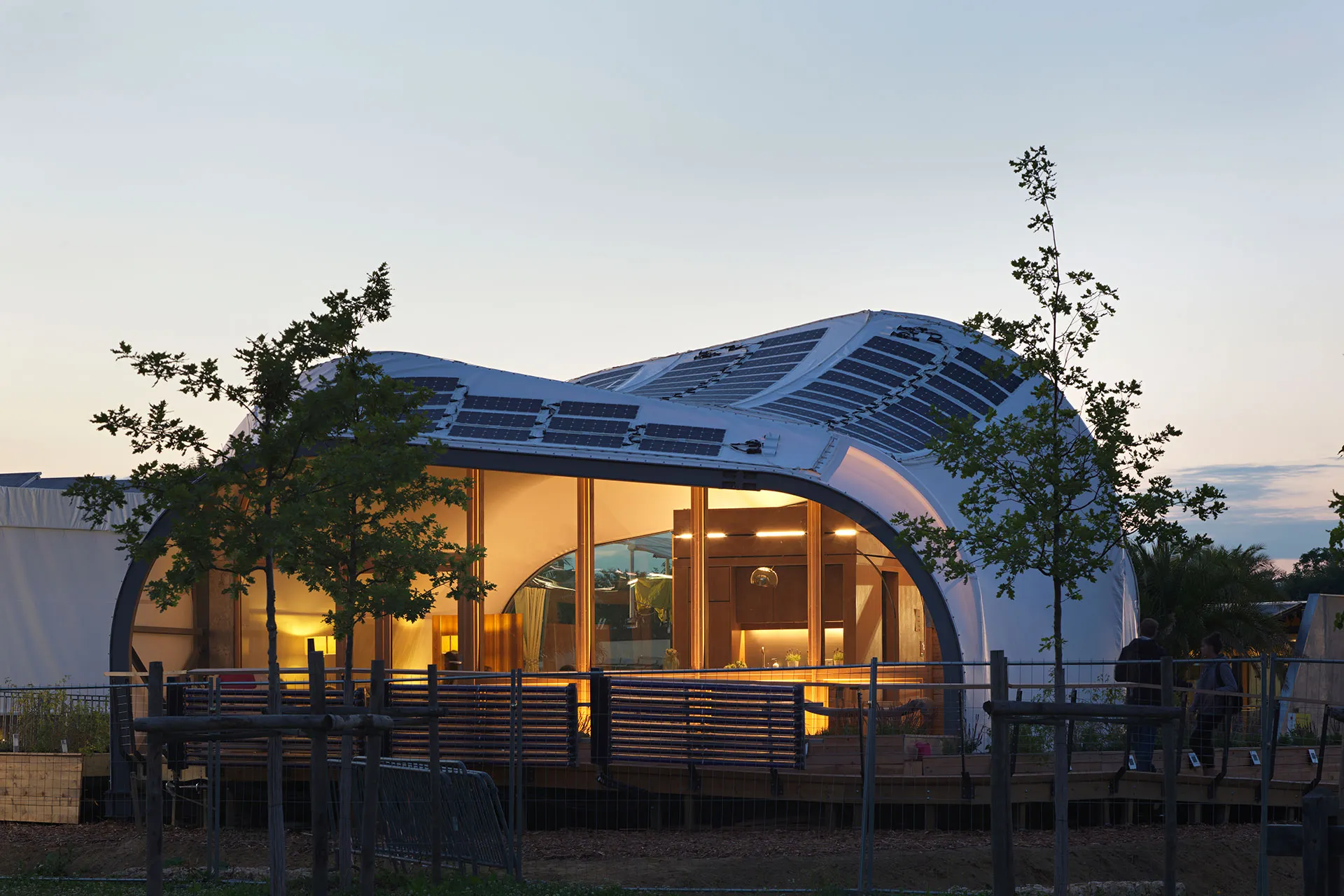
This kind of facade incorporates solar panels right into the building’s design, to generate electricity from sunlight. These facades enable buildings to produce their own energy.
Example of solar facade design:
The “Solar Decathlon House” in California features solar panels as part of its facade to power the entire structure.
Smart Glass
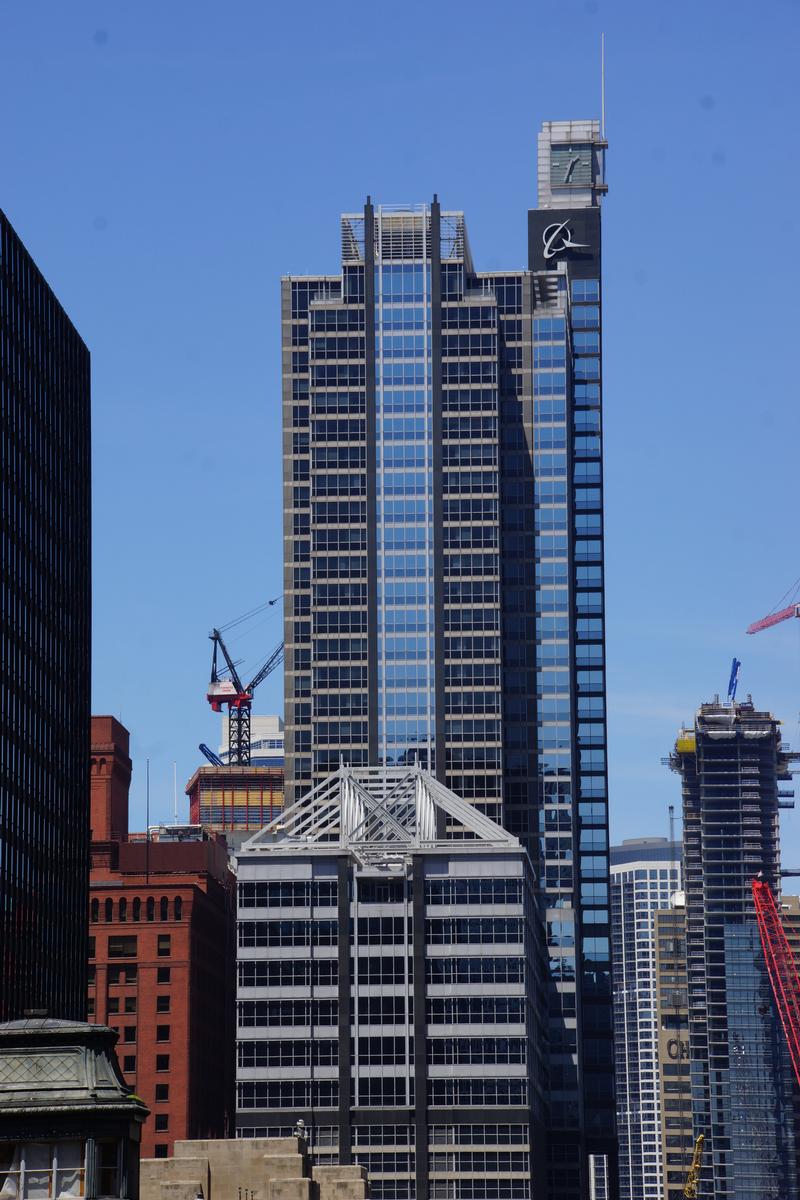
Smart glasses can change their transparency based on light and temperature variations. This innovative tech not only cuts down on energy use but also enhances the indoor climate of a building.
Example of smart glass facade design:
The “Boeing Headquarters” in Chicago features smart glass that adapts its transparency with the shifting sunlight.
Ventilated facades
This system consists of an outer layer that allows for airflow between the main facade and the building, helping to lower heat levels and boost ventilation.
Example of ventilated facade design:
The “Crystal Building” in London features a ventilated facade that helps cut down on energy use while allowing for natural ventilation.

Advanced Composite Materials
These light and resistant materials, which are composed of a combination of several materials, are used in the design of facades to increase the resistance, insulation, and durability of the building.
Example of facade design with advanced composite materials:
The “Comcast Technology Center” tower in Philadelphia showcases these innovative materials in its facade.
Green Facade
This kind of facade incorporates living plants as a part of the building’s design. Green facades aim to enhance air quality, lower heat levels in the building, and add a touch of natural beauty.
Example of green facade:
A great example of green facade design is the Bosco Vertical in Milan, which is one of the most renowned green facades globally.
Building-Integrated Photovoltaics (BIPV)
These panels blend perfectly with the building’s facade and are designed to generate energy from sunlight. They come in various forms, such as photovoltaic glass or solar panels mounted on the exterior.
Examples of integrated photovoltaic panels:
The “Elithis Tower” in France features integrated photovoltaic panels on its facade, helping to power part of the building’s energy needs.
Design example of interactive lighting system
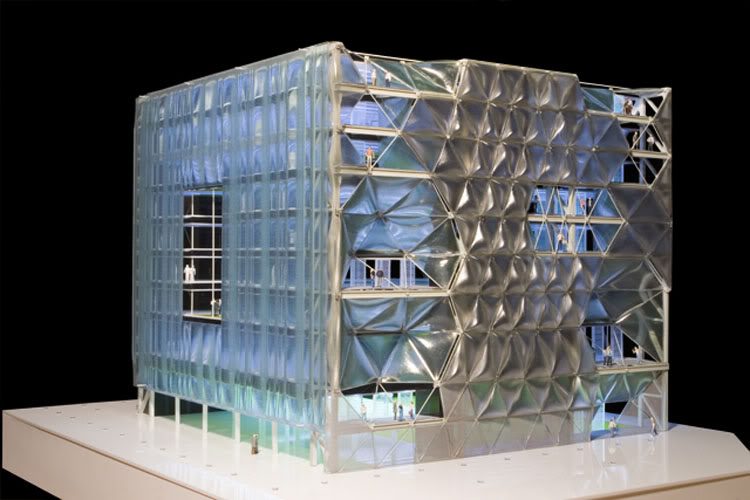
These facades come with smart lighting that adjusts based on movement, sound, or the surrounding environment, creating an interactive experience for the audience.
Example of interactive lighting systems:
A great example of interactive lighting systems is the Media-TIC building in Barcelona, which has a facade that responds to environmental shifts and produces a range of visual effects.
Self-Cleaning Materials
By using nanotechnology, these materials feature a coating that effectively repels water and dust, thereby maintaining the cleanliness of a building’s facade. Such materials contribute to a reduction in maintenance expenses for buildings.
Example of self-cleaning materials:
The “D-Tower” in Netherlands incorporates self-cleaning materials in its facade, ensuring it consistently appears clean and transparent.
3D-Printed Facade
3D printing technology enables architects to effortlessly design complex and detailed facades using specialized materials.
This rapidly advancing technology can create facades with complex and distinctive patterns.
Example of a 3D printed facade design:
The “European Space Agency HQ” used parts of a 3D printed facade, designed with precision and uniqueness.
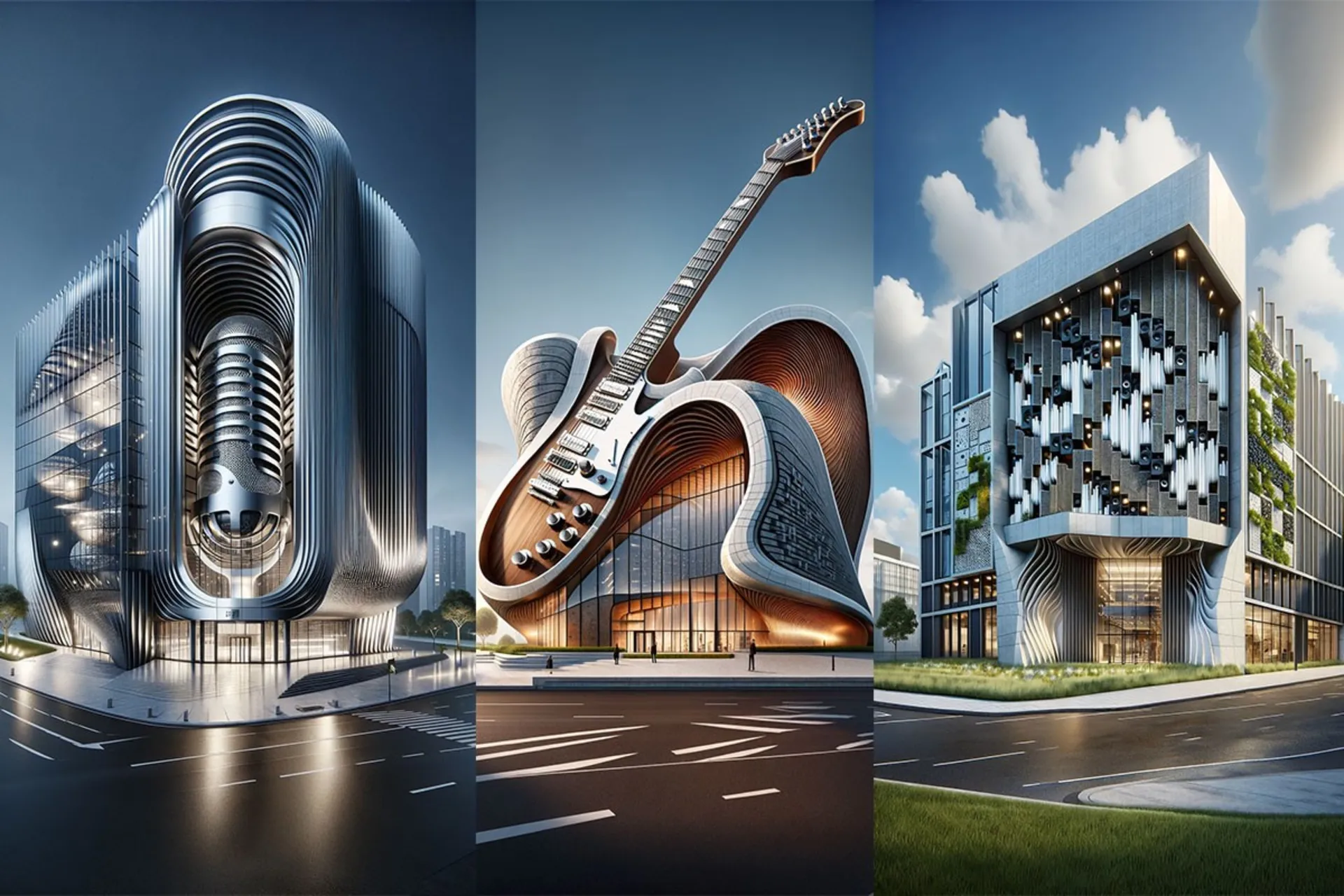
Entrust your building facade design to us| Bunyan Architecture Company
With years of experience in designing innovative and aesthetically pleasing facades, the dedicated team at Bunyan is prepared to transform your visions into reality. We focus not only on the visual appeal and style of your structure but also emphasize its performance and efficiency.
By utilizing advanced technologies and contemporary materials, we will deliver a durable, attractive, and efficient facade that not only captivates attention but also fulfills your environmental and user requirements effectively.
At Bunyan, we accompany you throughout the entire process, from the initial consultation to the project’s implementation. You are encouraged to share your ideas and expectations with our knowledgeable colleagues and specialists.
Through expert guidance and 3D modeling, our team will provide you with a clear representation of your final design prior to execution. If you aspire for your building’s facade to be a distinctive masterpiece, reach out to our team at Bunyan today and place your project in the hands of seasoned professionals with confidence.