

Coffee Shop Interior Design: Essential Tips You Need to Know
These days, coffee shops are no longer just places to drink coffee; they’ve evolved into spaces for creating relaxing moments, engaging in intimate conversations, and even hosting business meetings. So, what exactly transforms a coffee shop into an attractive and inviting space for customers? The answer is undoubtedly the interior design! From the arrangement of furniture to the lighting and color choices, every small detail can create a unique experience for your customers.
If you’re looking to transform your coffee shop into a unique, memorable space—or if you’re planning to launch a coffee shop with a distinctive, innovative design—this article from Zeus is for you! Join us as we explore the principles, ideas, and professional tips for coffee shop interior design, guiding you step by step in creating your dream space.
Check out our portfolio of coffee shop interior design projects here!
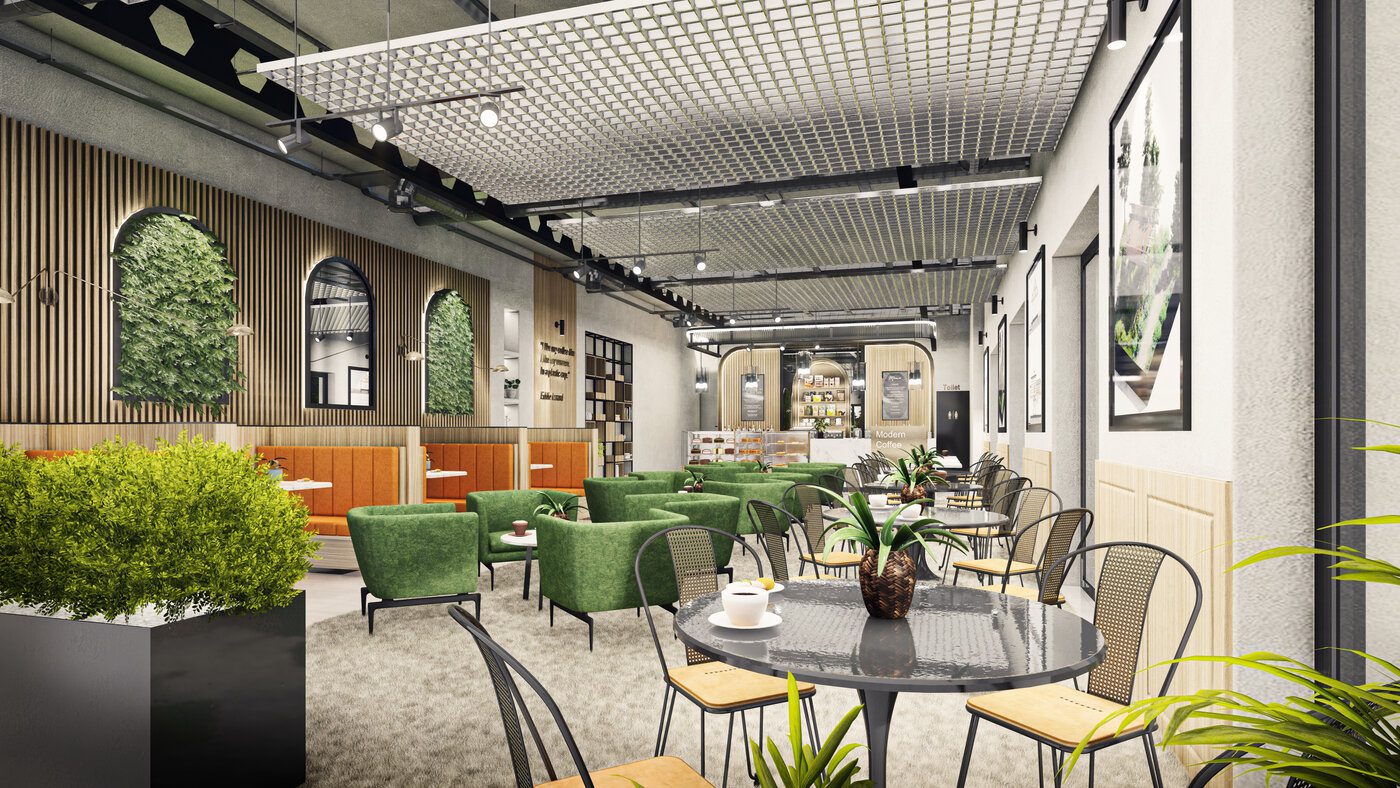
The Fundamentals of Coffee Shop Interior Design
Key Considerations for Your Design
If your goal is to attract new customers and create a unique coffee shop experience, innovative interior design can transform your space into a destination. Here are some crucial tips to consider:
Choose a Distinct Theme:
Having a unique design theme can help your coffee shop brand stand out. Later in this article, we share popular styles along with fresh design ideas.
Incorporate Wall Art and Creative Installations:
Transform blank walls into vibrant canvases with artwork. Coffee- or urban-inspired murals and graphics can make your space unique and attractive. You can even use walls to display customer messages or special artistic designs.
Utilize Creative Lighting:
Lighting not only illuminates but also creates an intimate atmosphere. Using string lights or hidden fixtures on shelves and walls results in a modern, engaging ambiance. Combining natural daylight with artificial lighting further enhances the inviting, authentic feel of your space.
Balance Private and Group Areas:
Design your space to cater both to individual customers (with small tables ideal for studying) and groups of friends. Adding cozy sofas or communal tables increases comfort and broadens your customer base.

Choosing the Right Interior Design Style for Your Coffee Shop
Your interior design style is the visual identity and core personality of your coffee shop. It should resonate with your brand identity and appeal to your target customers. Consider the following when selecting the perfect design style:
Analyze Your Target Audience:
- If your coffee shop is near a university, research centers, or frequented by young people, a modern or industrial style might be appealing.
- If families or young couples are your main clientele, opt for warm, inviting styles such as Boho or Classic.
- For a luxurious, formal space ideal for special business meetings, a minimalist style with neutral colors and sleek design is a great choice.
Key Factors in Designing a Successful Coffee Shop Interior
Layout and Space Planning
- Efficient Flow:
Ensure that the layout facilitates easy movement and provides ample space for customers. Arrange tables and chairs at suitable distances to avoid a cramped feel and maintain privacy. - Strategic Placement:
Position the bar and ordering area in easily accessible spots to create a relaxed atmosphere. If you have an outdoor area, design it simply yet with unique visual appeal.
Color Selection and Its Impact
- Mood Setting:
Colors play a significant role in setting the mood. Warm hues like brown, orange, and red evoke intimacy and comfort, while cool tones like blue and green provide a calming effect. - Contrast for Emphasis:
Combining neutral colors with vibrant accents can create striking contrasts that draw attention.
Acoustics and Sound
- Create a Soothing Environment:
Use sound-absorbing panels to minimize echoes and maintain a calm atmosphere. Choosing music that fits your cafe’s vibe further enhances the overall experience.
Functionality Meets Aesthetics
- Dual-Purpose Design:
Your design should not only be visually appealing but also practical. Utilize comfortable furniture, functional tables, and provide designated areas for charging electronic devices. Decorative elements such as bookshelves, art pieces, or potted plants can add charm without sacrificing functionality.
The Role of Aroma
- Sensory Appeal:
A memorable coffee shop should engage all the senses. The enticing aroma of freshly brewed coffee or baked goods can draw customers in and enhance their experience. In private areas like restrooms, use high-quality air fresheners to maintain a pleasant scent.
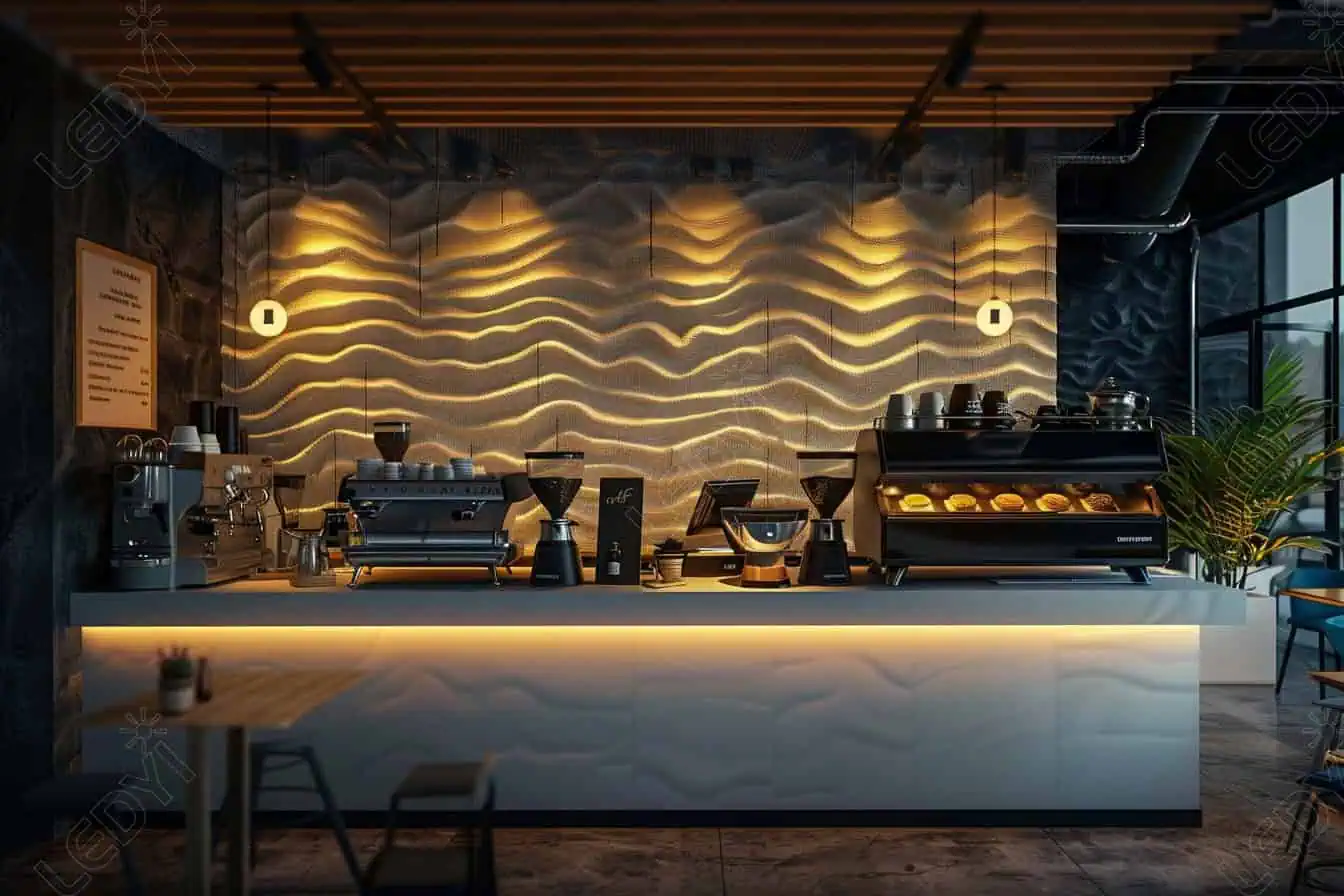
Lighting: The Heart of Your Interior Design
Lighting is one of the most crucial elements in setting the overall mood of your coffee shop. Here’s how to make the most of it:
Types of Lighting
- Ambient Lighting:
This illuminates the entire space. Ceiling lamps or large pendant lights can serve as the main source of light. Warm, soft lighting is recommended to create a cozy atmosphere. - Accent Lighting:
Focused lights can highlight key areas such as art displays, shelves, or the bar, adding visual interest. - Task Lighting:
Ensure that tables and ordering areas have sufficient lighting for specific tasks like reading menus or enjoying your coffee.
Three Key Lighting Tips
- Maximize Natural Light:
If your coffee shop has windows or an open area, use as much natural daylight as possible to infuse the space with freshness and energy. - Create Contrast:
Mix direct and indirect lighting to add depth and a modern touch to your decor. - Use Decorative Fixtures:
Glass, metal, or Edison-style pendant lamps not only provide light but also serve as focal decorative pieces.
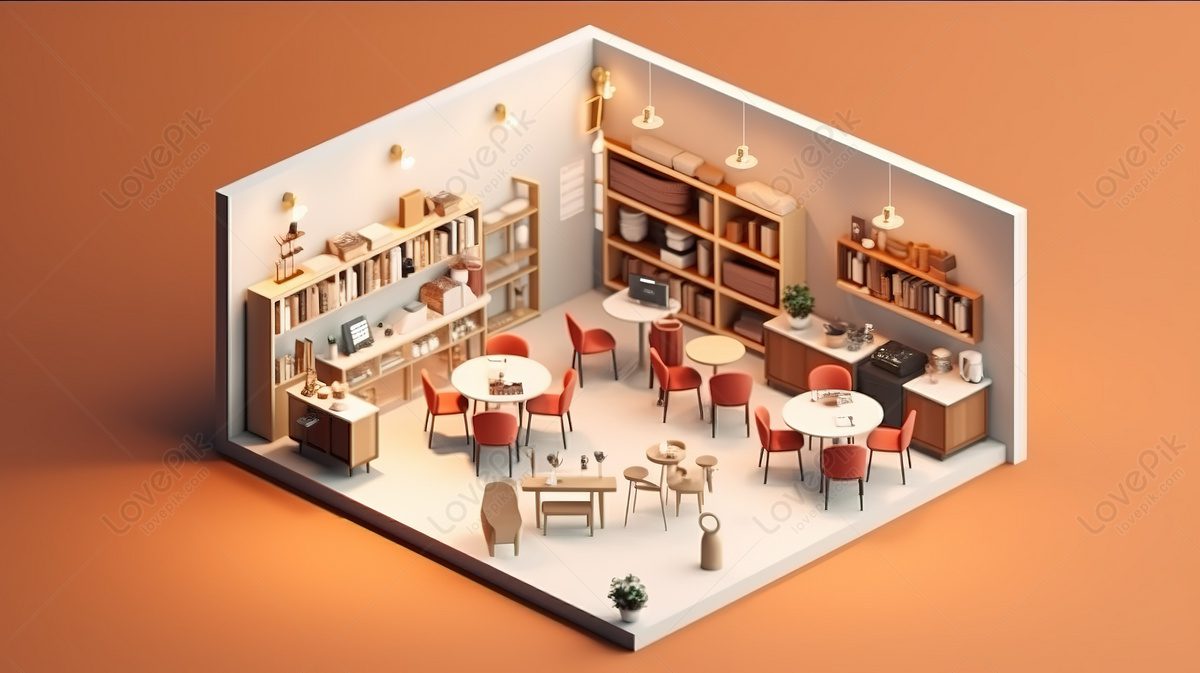
Furniture Selection: Comfort and Style
Furniture is pivotal in crafting a positive customer experience. Here’s what to consider:
- Comfort is Key:
Choose ergonomic chairs and comfortable seating that allow customers to relax for long periods. A mix of armchairs, benches, and sofas can cater to different needs and tastes. - Material Matters:
- Wood: Offers a classic, warm feel that exudes intimacy.
- Metal: Perfect for modern or industrial styles.
- Fabric/Leather: Adds a touch of luxury and comfort.
- Flexible Arrangements:
Opt for furniture that can be easily rearranged to suit events or seasonal changes. - Harmonize with Your Style:
Ensure that the furniture matches your overall theme. For example, modern designs benefit from simple, minimalist pieces with clean lines.

Optimizing Color Schemes for Maximum Impact
Colors not only set the mood but can also influence customer behavior:
- Warm Colors:
Shades like brown, orange, and red create a welcoming and intimate atmosphere—ideal for traditional or rustic-themed coffee shops. - Cool Colors:
Blues and greens foster calmness and creativity, which are perfect for spaces designed for work or study. - Using Contrast:
Employ contrasting colors—such as pairing dark walls with light furniture or integrating neutral tones with vibrant hues—to capture attention and energize your space. - Lighting Coordination:
Ensure your color palette works harmoniously with your lighting choices. Warm lighting enhances yellows and oranges, while cool lighting brings out blues and greens.
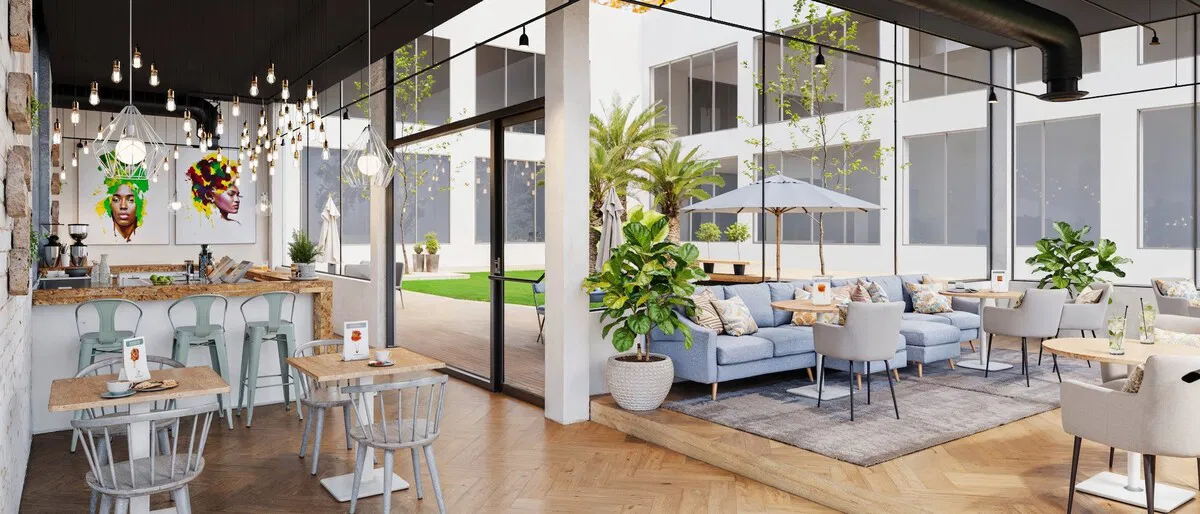
Maximizing Small Spaces
Designing a small coffee shop can be challenging but with creativity, you can maximize every inch:
- Efficient Space Usage:
- Compact Furniture: Use small, easily movable chairs and tables.
- Vertical Storage: Install wall shelves to free up floor space.
- Multi-Functional Arrangements: Opt for furniture that can serve multiple purposes.
- Illusory Expansion:
Use light, neutral colors (white, cream, light gray) to make the space appear larger. - Mirrors:
Strategically placed mirrors can create the illusion of more space, especially when combined with effective lighting. - Minimalist Decor:
A simple, uncluttered design helps keep a small area looking neat and expansive.
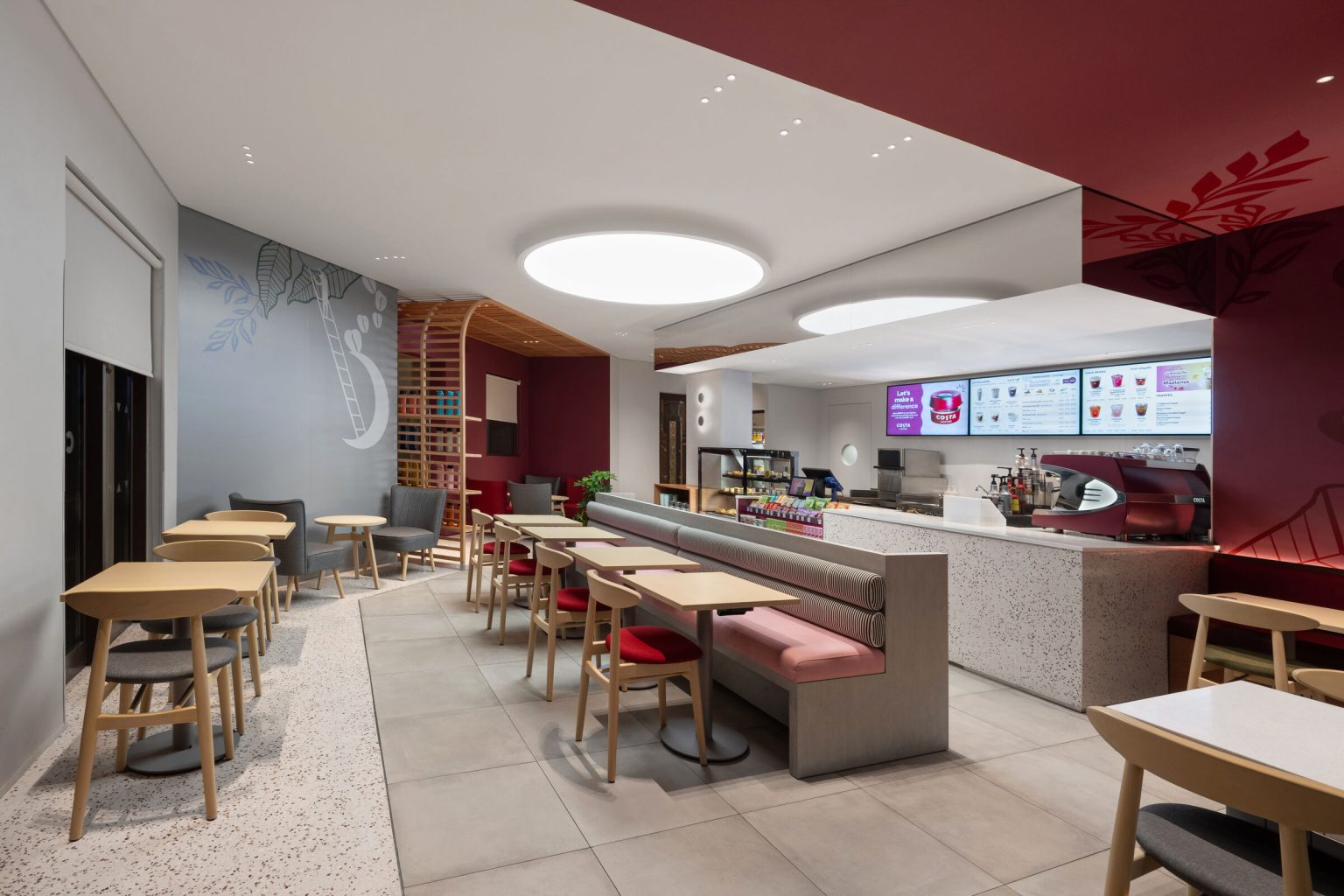
Exploring Popular Coffee Shop Design Styles
Your coffee shop’s design style sets the tone for your brand. Here’s a rundown of various styles to consider:
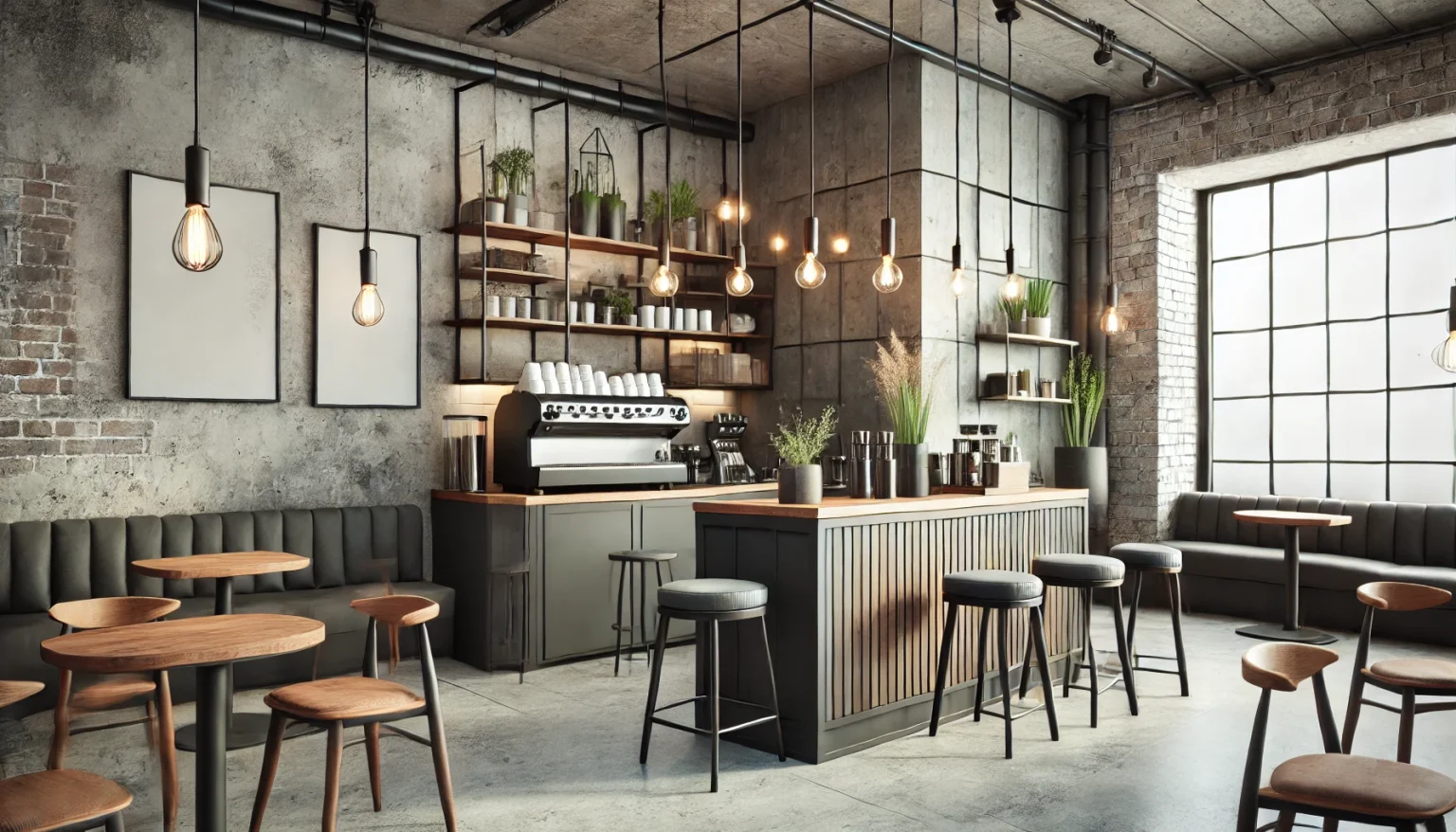
Industrial
Utilize raw, industrial elements such as exposed brick walls, visible pipes, metal pendant lights, and furniture made of metal or wood. A neutral palette of gray and black conveys authenticity and durability.
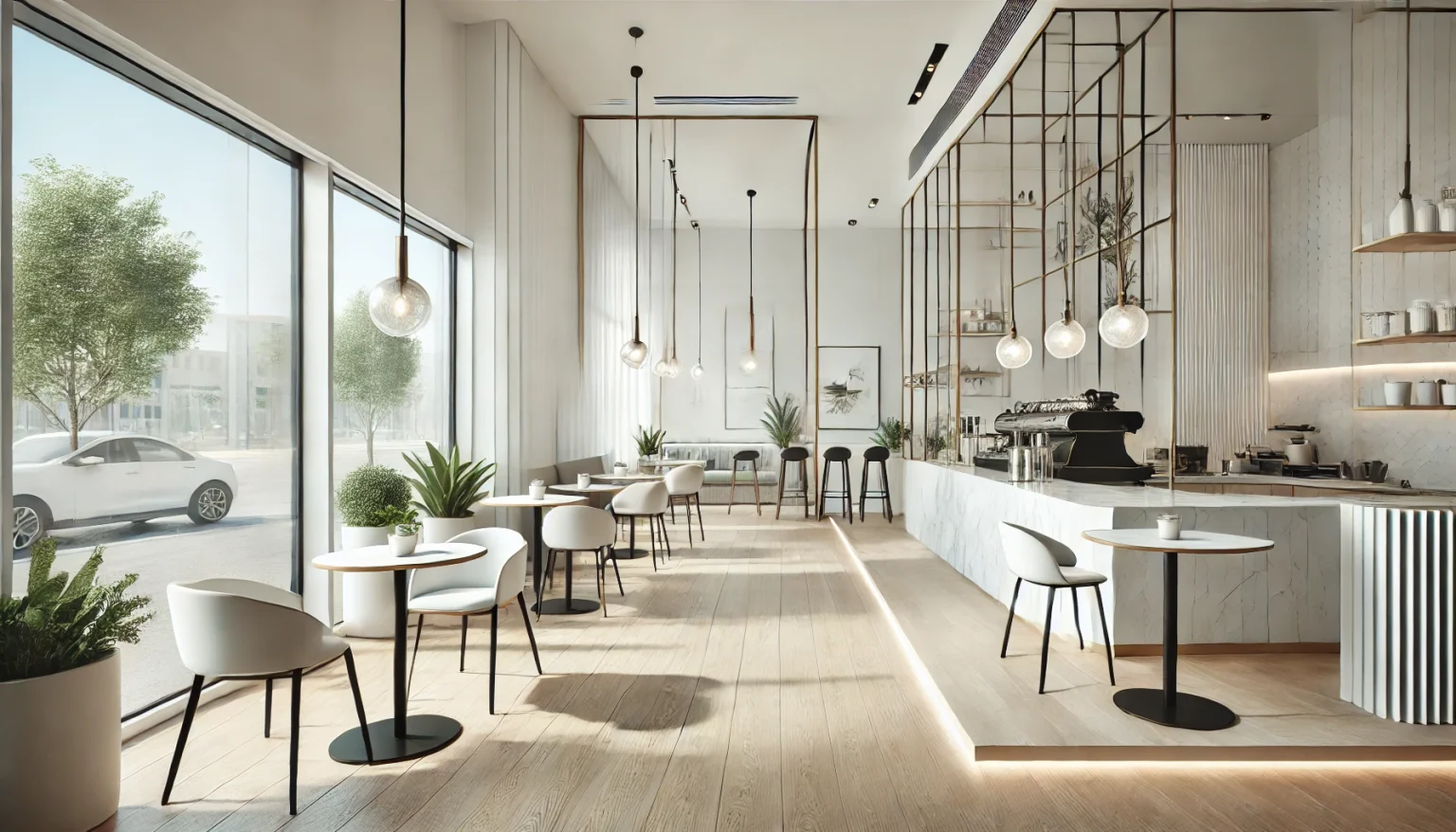
Modern
Characterized by clean lines, glossy materials, and minimalist aesthetics. Think simple furniture, bright colors like white and gray, glass, metal, and minimalist lighting.
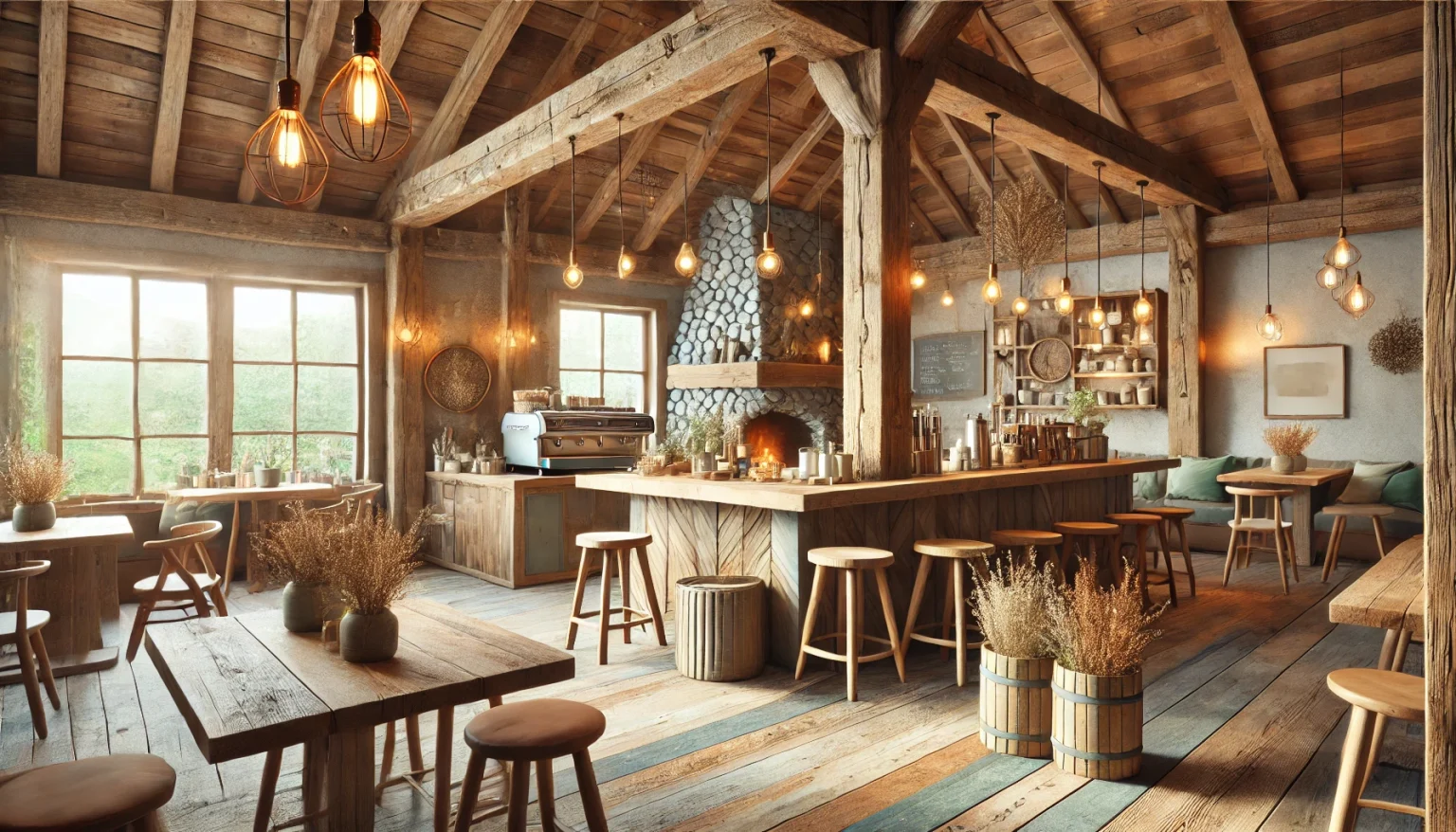
Rustic
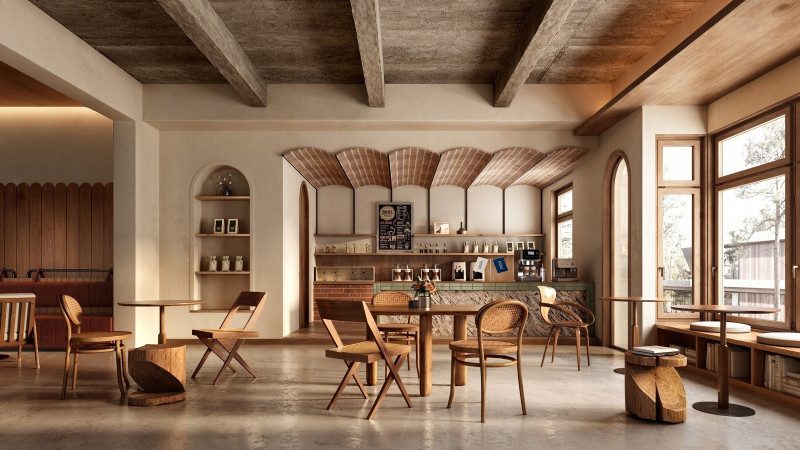
Focus on natural elements—wooden walls, natural stones, handcrafted furniture, and warm lighting create a cozy, homey feel that connects with nature.
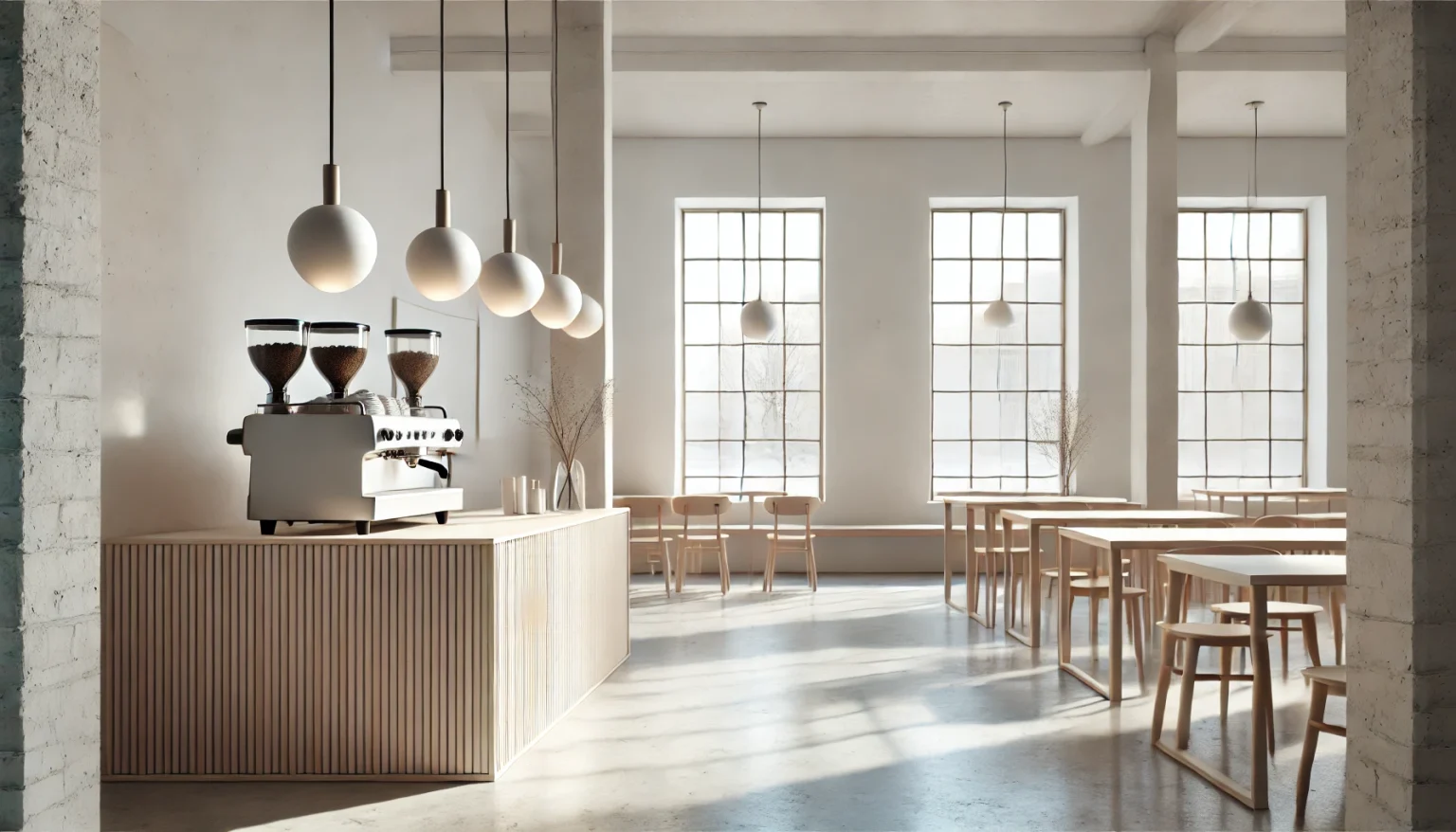
Minimalist
Emphasize simplicity by eliminating excess details. Use clean lines, neutral colors (white, black, gray), open spaces, and soft lighting.
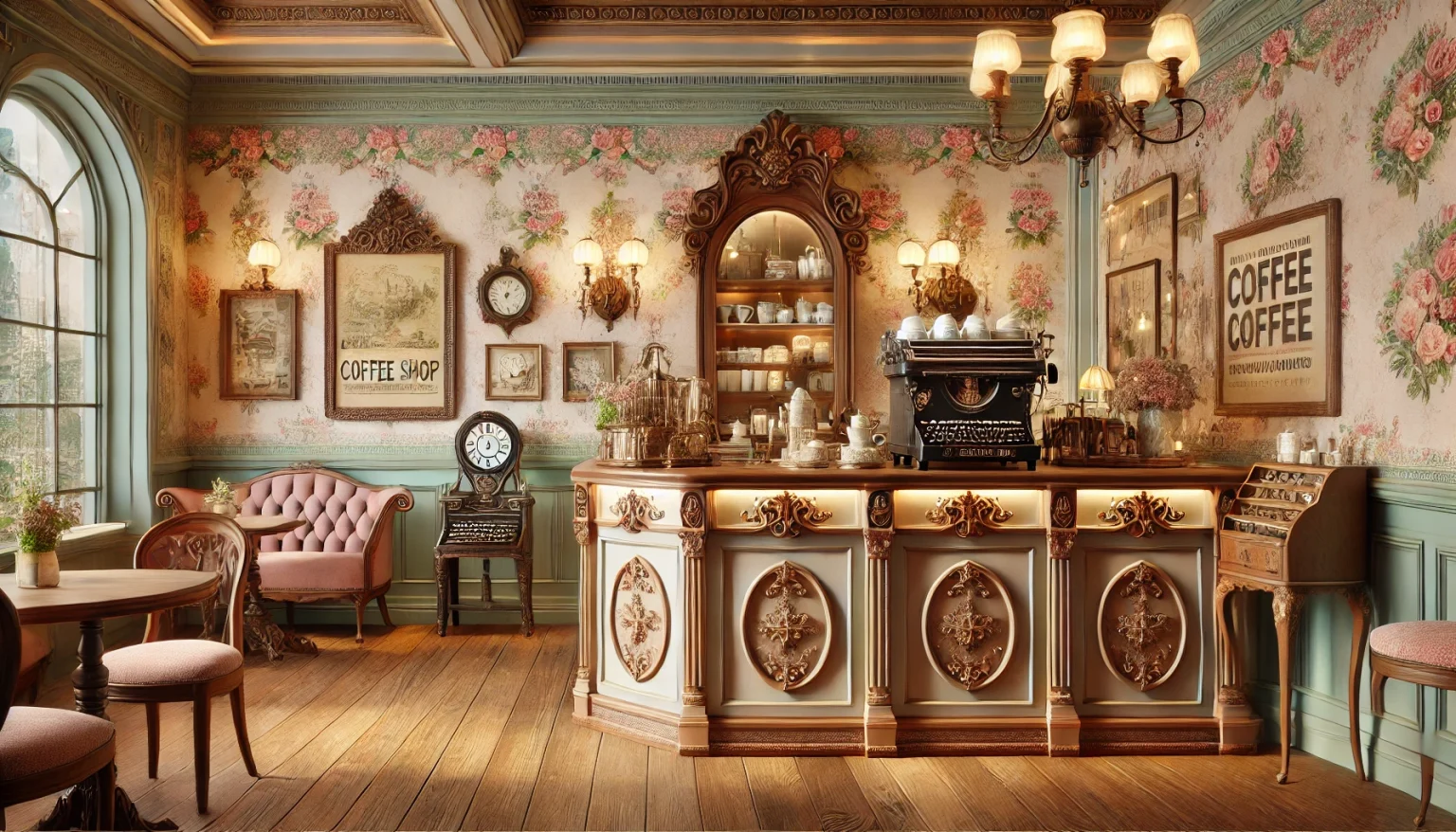
Vintage
Inspired by nostalgic elements, vintage design features antique furniture, warm tones like cream and yellow, classic decor, and traditional lighting.
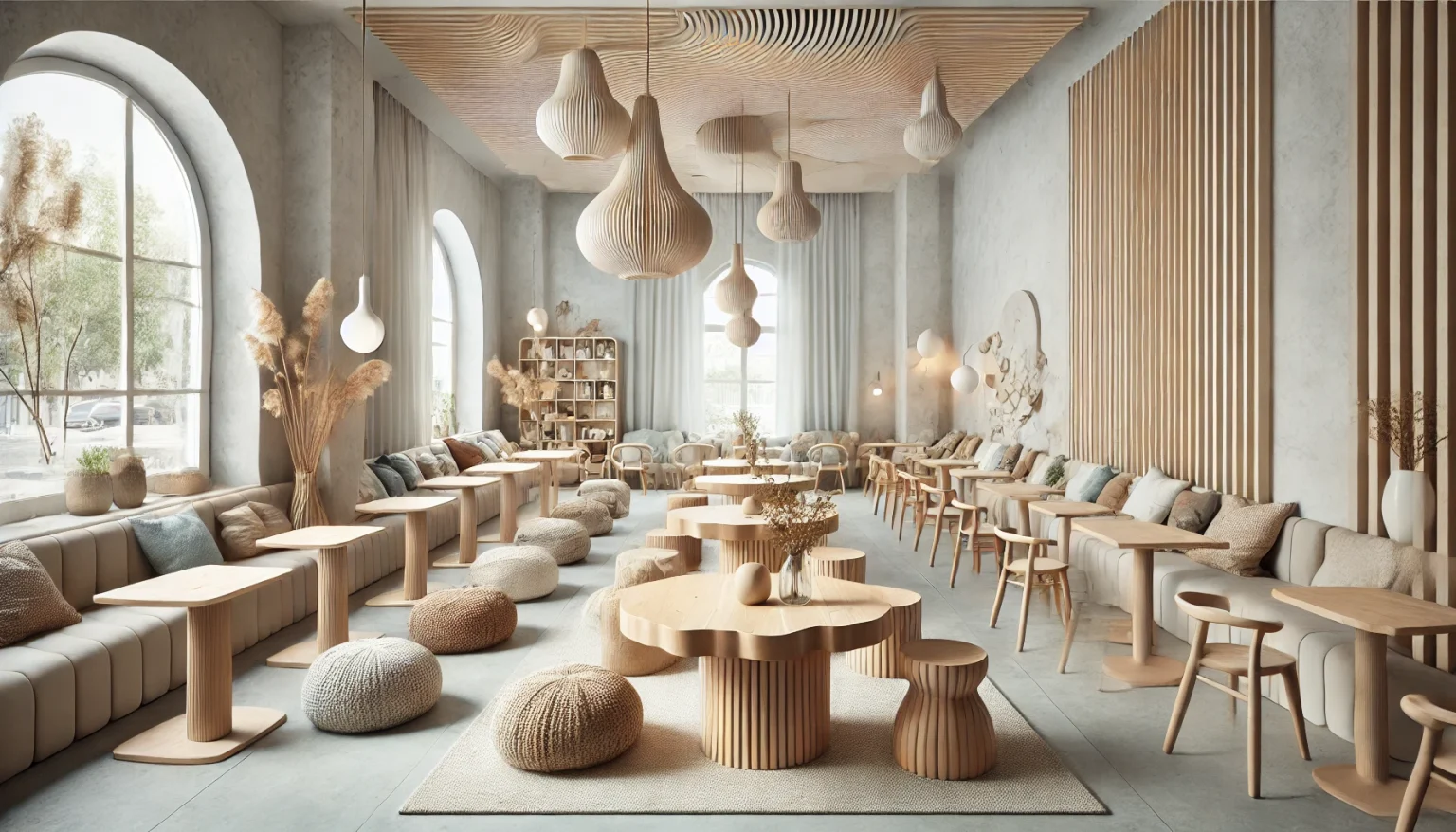
Scandinavian
Combining simplicity and functionality, this style employs light colors such as white and beige, natural wood furniture, soft lighting, and greenery to create a cozy, bright space.
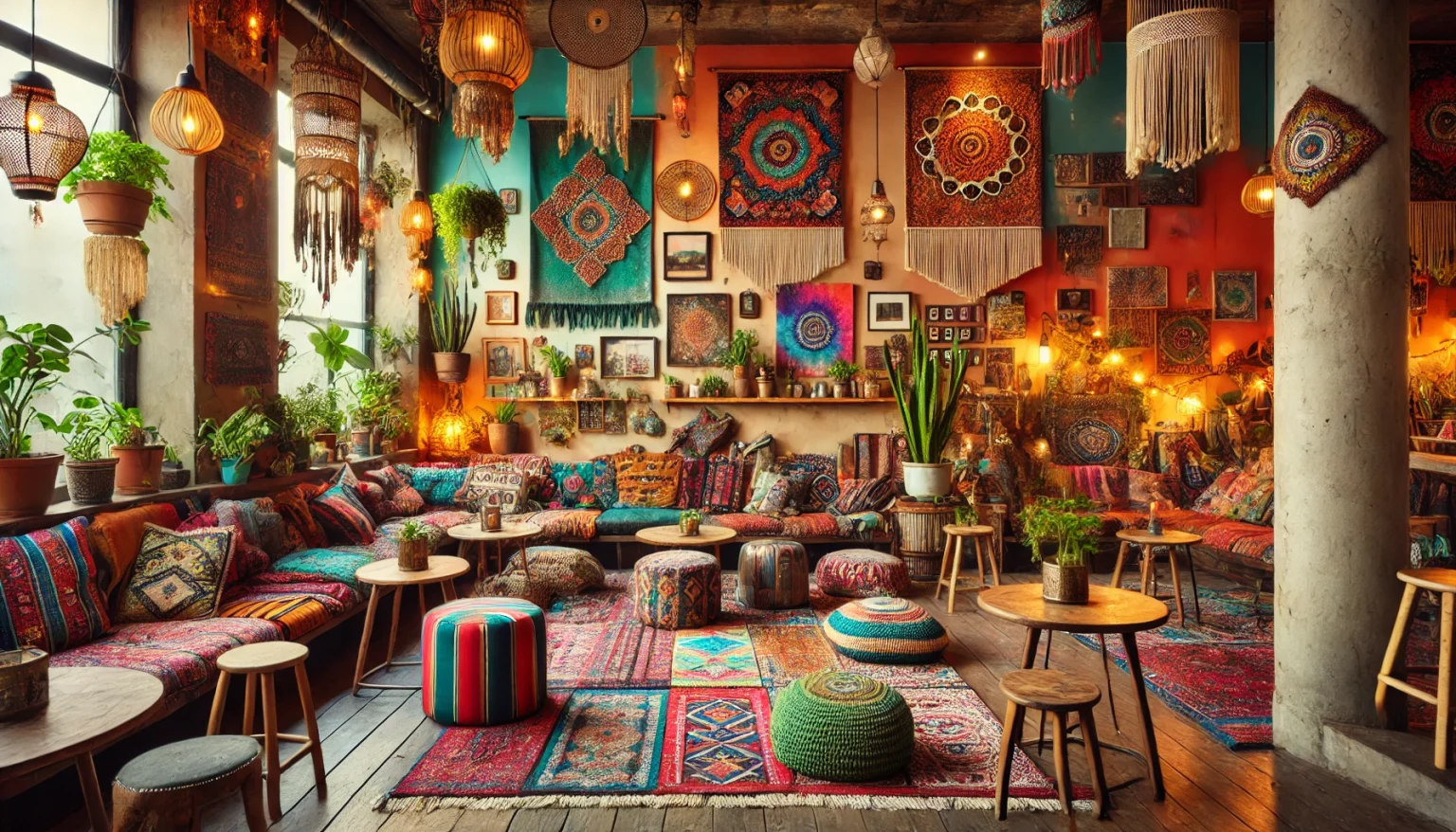
Bohemian
Known for its eclectic mix of vibrant colors, diverse patterns, and a creative vibe. It incorporates handmade furniture, colorful textiles, and plenty of plants for a free-spirited look.
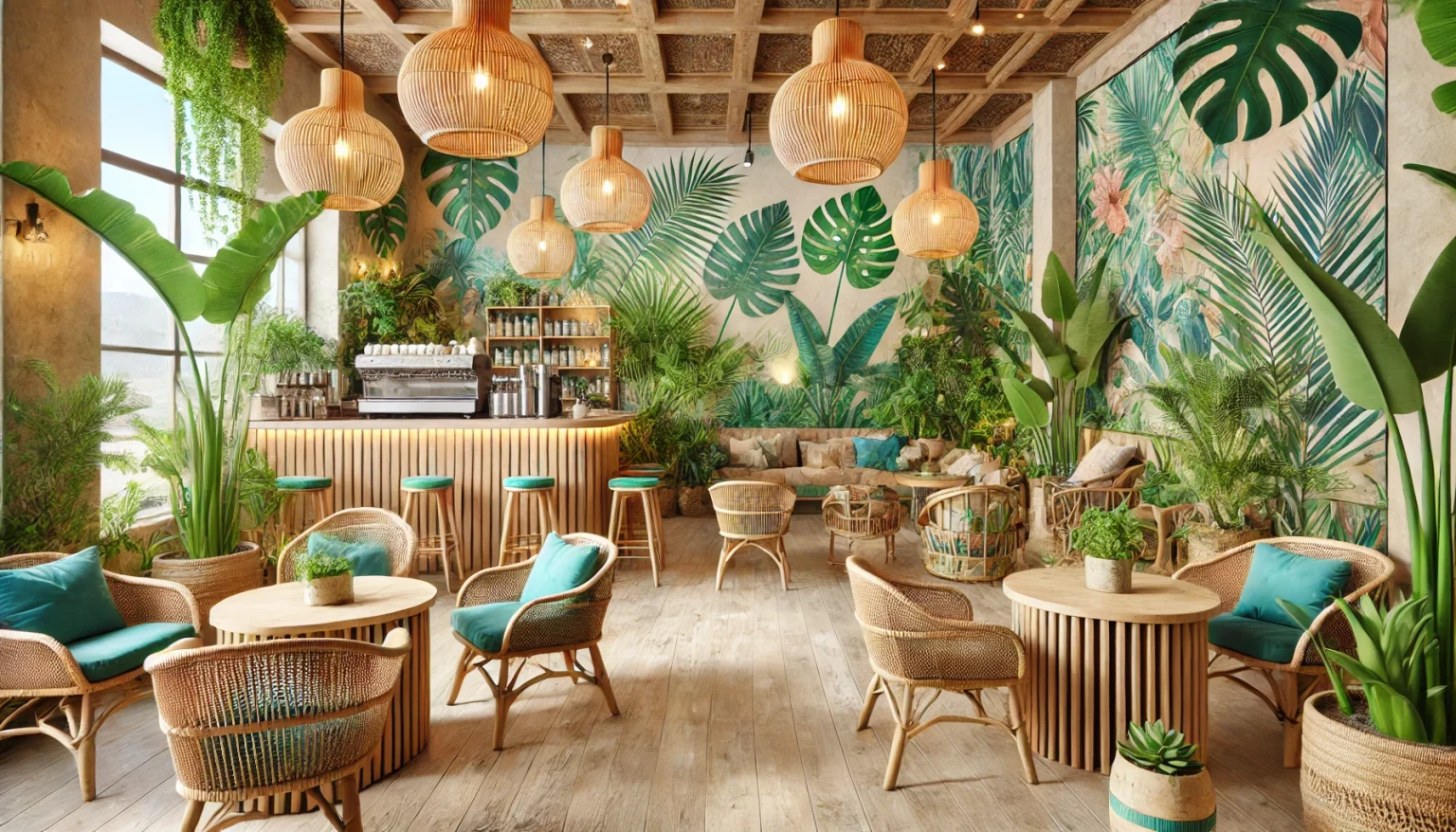
Tropical
Inspired by warm, coastal regions, tropical design uses green and blue hues, wicker or wooden furniture, large plants like palm trees, and nature-inspired decor.
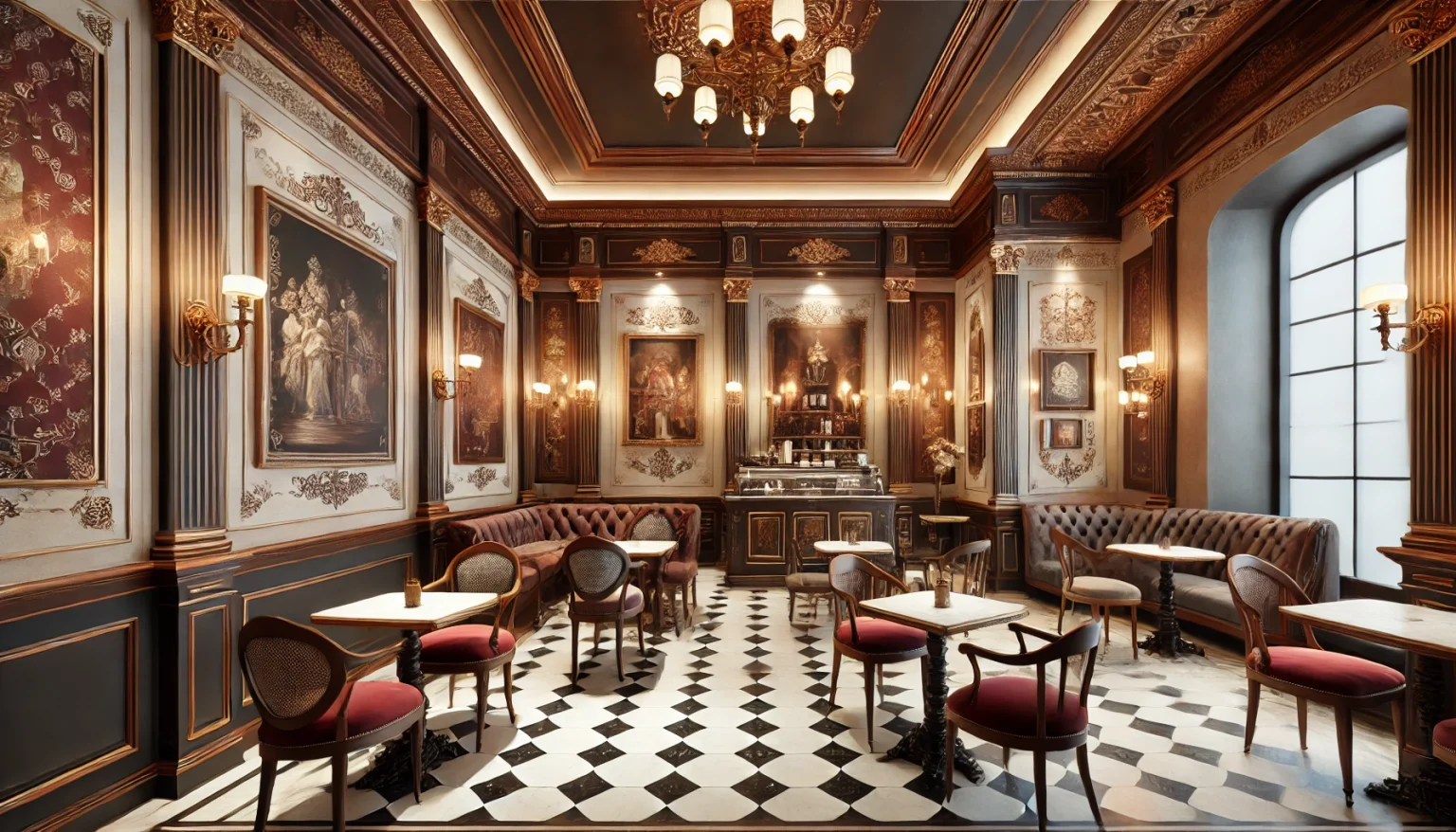
Classic
Exudes elegance and luxury with warm, rich colors like gold, classic furniture with velvet upholstery, crystal chandeliers, and sophisticated decorative details.
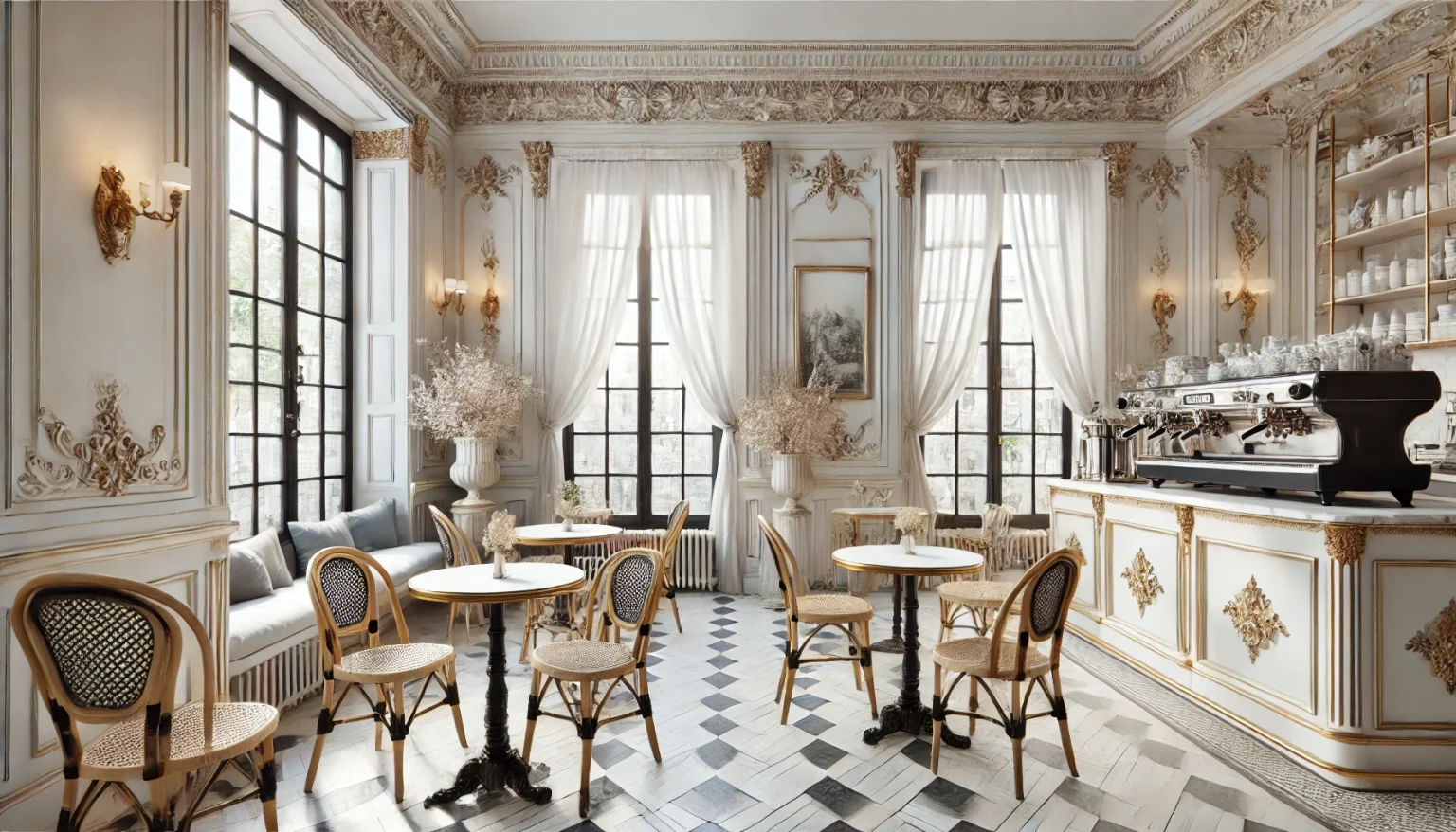
Parisian
Drawing inspiration from Parisian cafes, this style features delicate metal or wooden furniture, soft pastel colors such as white and pink, gentle lighting, and floral accents to create a romantic ambiance.
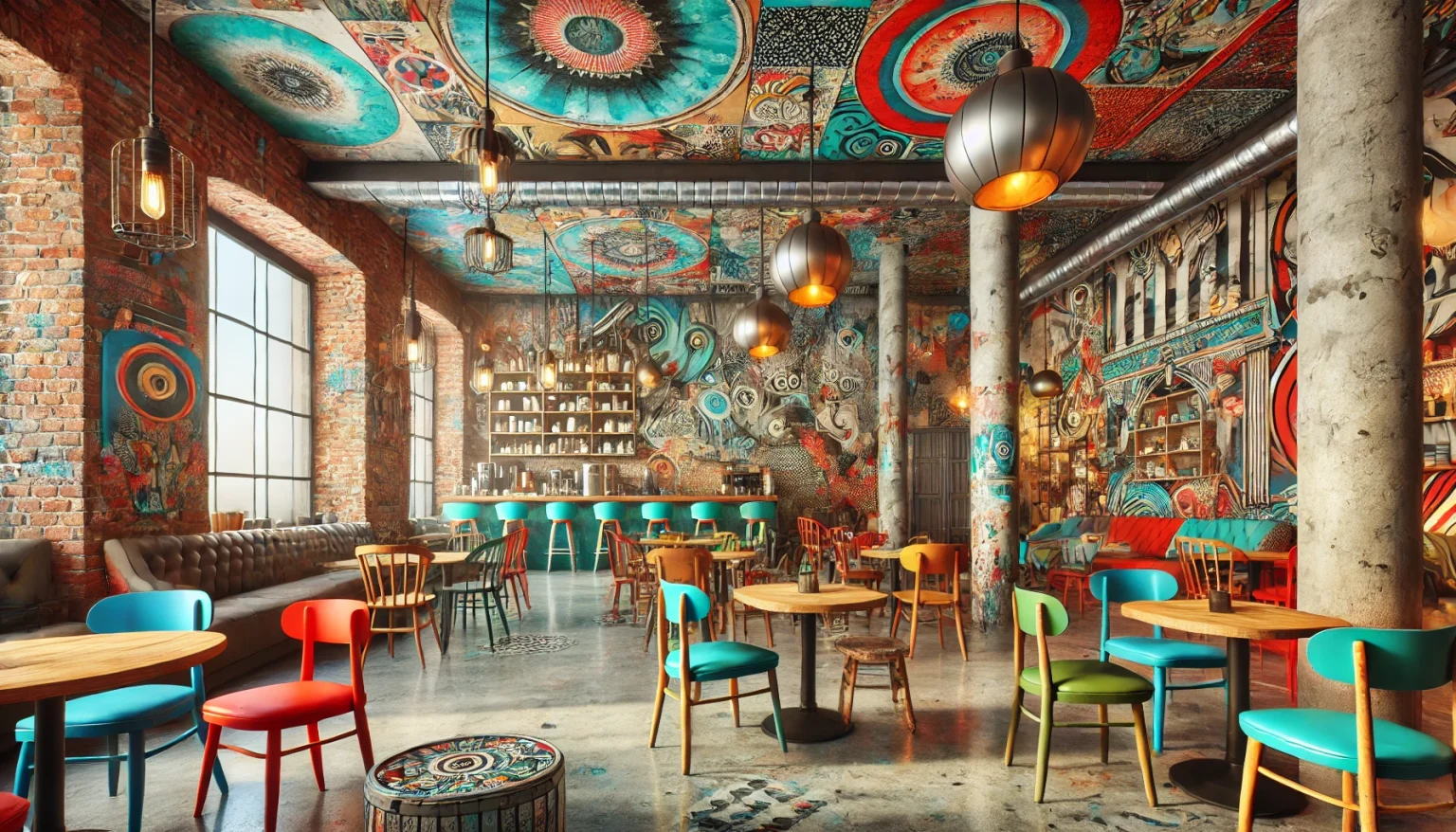
Artistic
Emphasizes creativity with bold art pieces, wall murals, unconventional furniture, and unique decorative elements that serve as conversation starters.
Outdoor
Focuses on creating a seamless extension of the indoor space into nature. Use weather-resistant furniture, sun umbrellas, warm lighting, and live plants to design inviting outdoor seating areas.
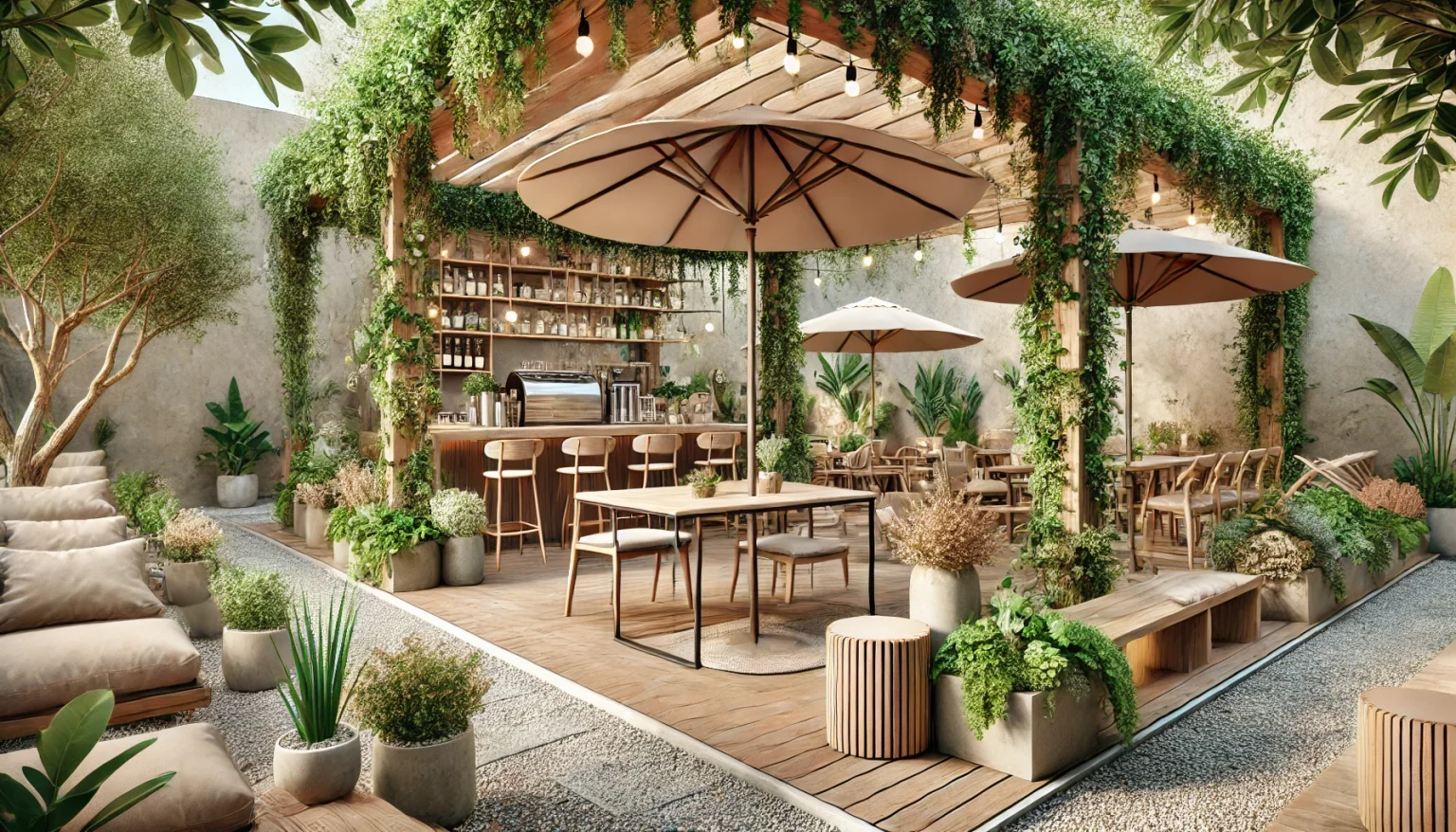
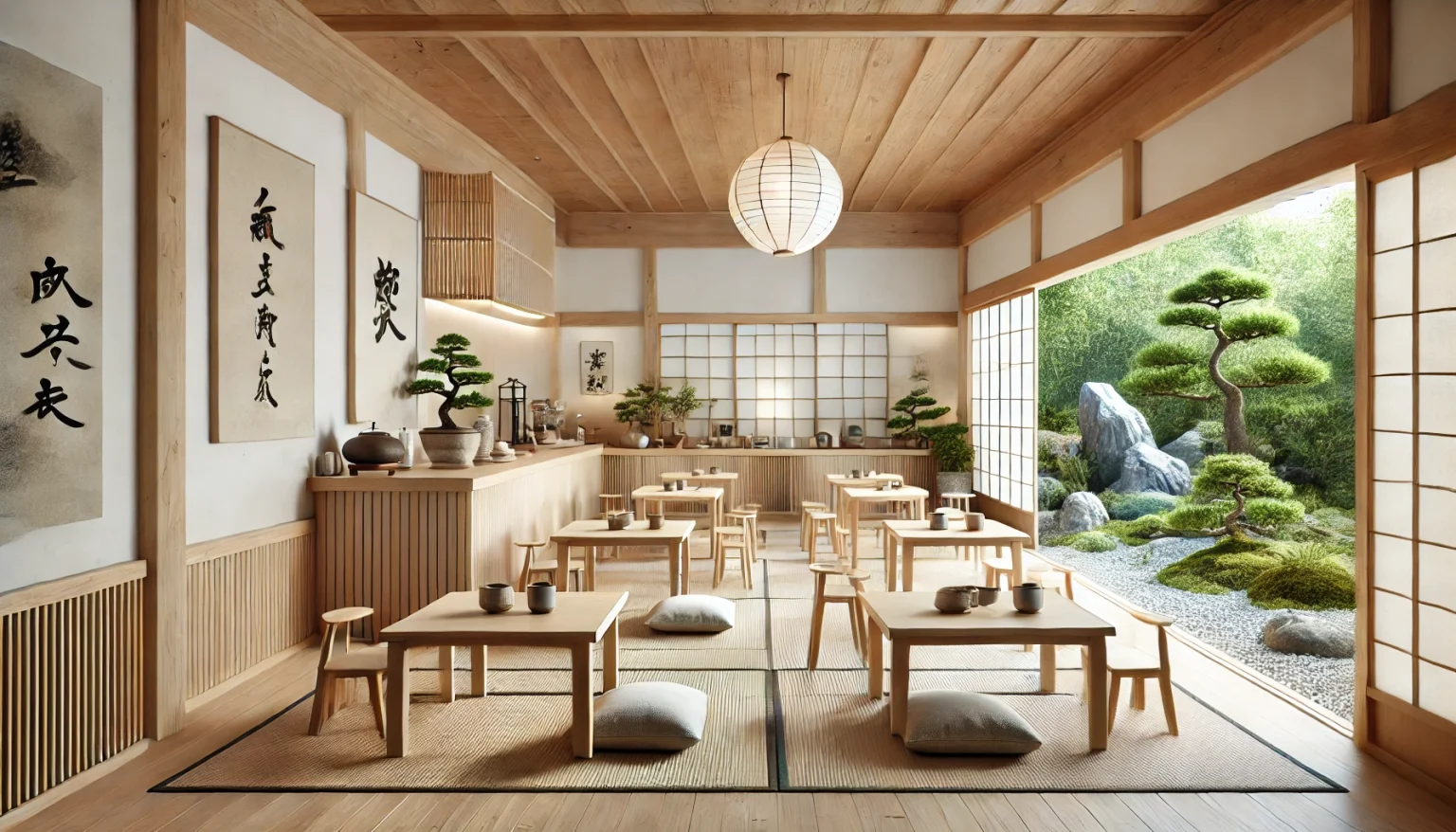
Japanese
Emphasizes simplicity and nature using bamboo elements, soft lighting, low-profile furniture, and minimalist layouts with subtle wooden partitions and smal
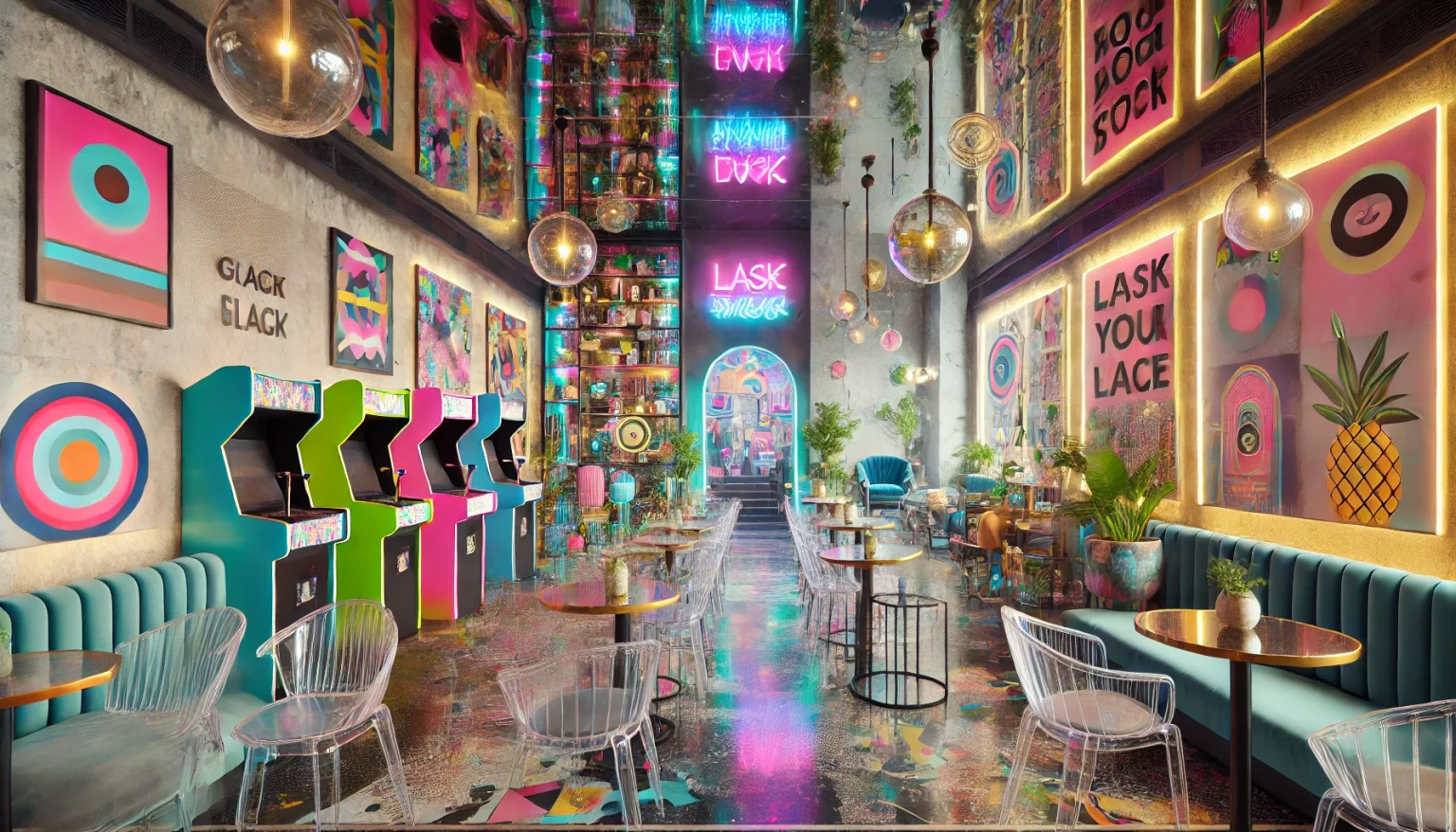
Eclectic
Blends various design elements—from vintage to modern—in a harmonious way. Expect a mix of colors, materials, and patterns that create a unique, personalized space.
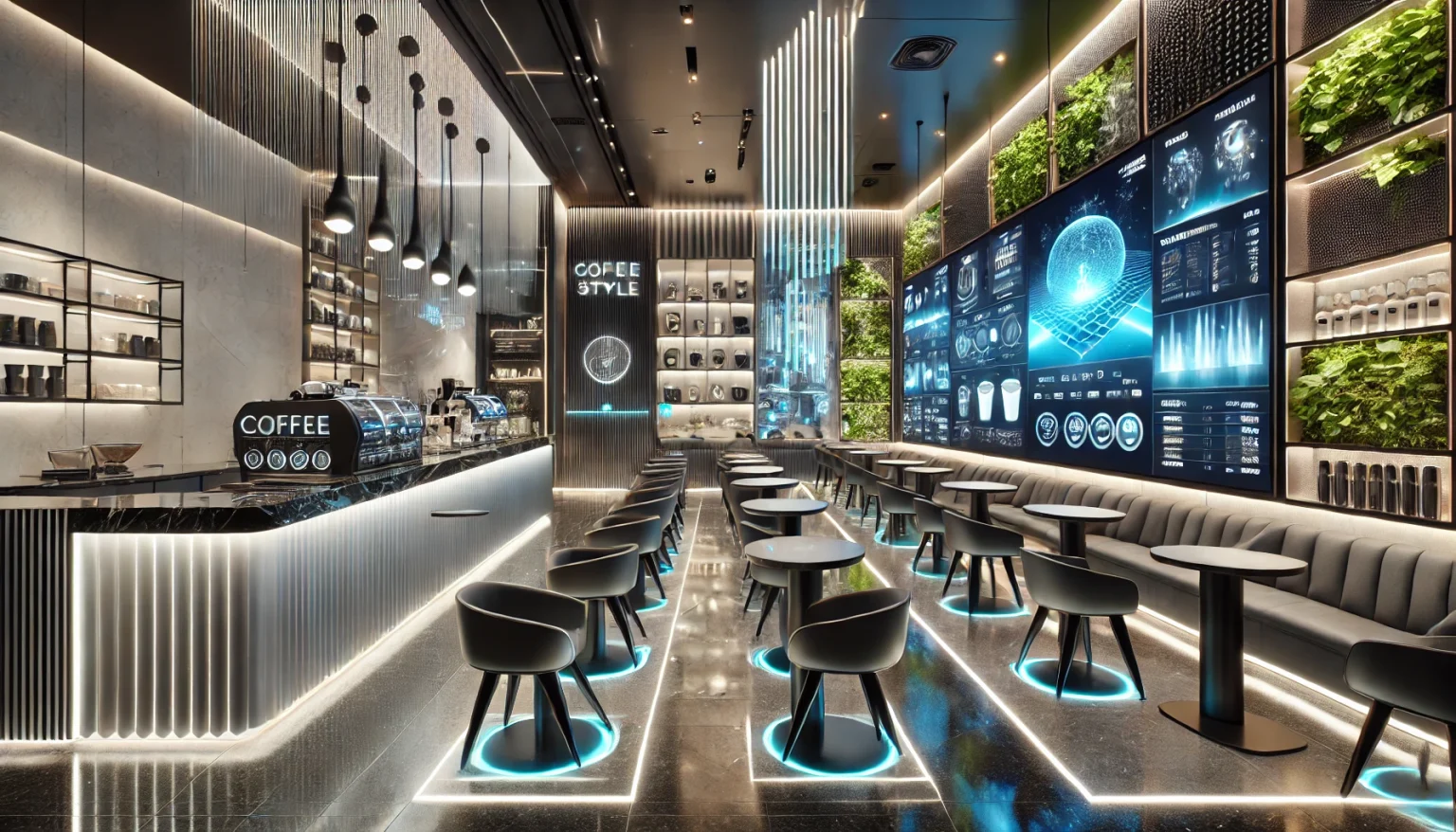
High-Tech
Showcases advanced technology and modern design. Features include glass and metal materials, LED lighting, digital displays, and tech-inspired decor—ideal for conveying innovation and modernity.
Designing an Outdoor Coffee Shop Space
An outdoor setting can attract customers seeking a connection with nature:
- Weather-Resistant Furniture:
Choose materials that withstand the elements—metal or high-quality plastic with stylish designs work best. - Open Layout:
Arrange seating to ensure open pathways, preventing a crowded feel. - Night Lighting:
Use pendant or string lights to create a romantic, inviting atmosphere after dark. Energy-efficient or solar-powered lights are both sustainable and economical. - Shade and Shelter:
Install canopies, large umbrellas, or gazebos to protect guests from direct sunlight or rain. Ensure these elements match your overall design theme. - Incorporate Natural Elements:
Use tall, durable plants, wall planters, or even small water features and decorative rocks to infuse a sense of nature and tranquility into your outdoor area.
How Interior Design Boosts Sales
Your coffee shop’s interior design directly influences customer experience and, ultimately, your sales. Here are some strategies to turn your design into a powerful marketing tool:
- Create a Welcoming Atmosphere:
A striking entrance with well-thought-out lighting and engaging visual elements invites passersby inside. A design that sparks curiosity and promises a relaxing coffee experience encourages more customers to step in. - Zone the Space:
Designate different areas for work, casual meet-ups, or quiet study sessions. Catering to various customer needs not only enhances satisfaction but also encourages repeat visits. - Use Colors to Encourage Longer Stays:
Warm, soothing colors can make customers feel at home and linger longer, which often translates to increased orders. - Create Memorable Experiences:
Innovative touches—like interactive walls where customers can write messages or take photos—encourage them to share their experiences, offering you free, organic promotion. - Integrate Greenery:
Adding plants not only improves air quality but also boosts the aesthetic appeal, making your space feel fresh and inviting.
Common Pitfalls in Coffee Shop Interior Design
Avoid these mistakes to ensure your design enhances the customer experience:
- Ignoring Customer Needs:
A design that focuses solely on aesthetics without ensuring comfort can reduce customer satisfaction. Poor layout causing crowding or restricted movement is another common issue. - Inadequate Lighting:
Overly harsh or dim lighting can detract from your space’s ambiance. Ensure that your lighting is balanced and coordinated with your overall design style. - Unsuitable Furniture:
Non-ergonomic chairs or tables with improper heights can negatively impact comfort. - Improper Budgeting:
Lack of planning can lead to unnecessary expenses. Allocate your budget wisely from the start to cover every design aspect appropriately. - Neglecting Brand Identity:
Your interior design should reflect your brand. A design that doesn’t align with your brand identity is less likely to leave a lasting impression. - Sound and Music Mismanagement:
The right music can enhance the atmosphere, but uncontrolled volume or poor acoustics can deter customers. Use acoustic panels and arrange seating to minimize disruptive noise.
The Impact of Music and Sound
Music plays a pivotal role in setting the vibe of your coffee shop:
- Choosing the Right Genre:
Soft, instrumental music can create a calming atmosphere. The chosen genre should align with your brand—for instance, jazz may suit a classic cafe ambiance. - Controlling Ambient Noise:
Install acoustic panels on ceilings or walls and arrange seating thoughtfully to minimize disruptive sounds while keeping the overall volume at a comfortable level.
Coffee Shop Design Styles at a Glance
Whether you lean toward industrial, modern, rustic, minimalist, vintage, Scandinavian, bohemian, tropical, classic, Parisian, artistic, outdoor, Japanese, eclectic, or high-tech—the right style depends on your target audience and brand identity. Each design style has unique elements that can set the tone for your coffee shop’s personality and influence customer behavior.
Expert Coffee Shop Interior Design in Mashhad by the Zeus Team
A professionally executed interior design is one of the most critical success factors in the coffee shop business—it enhances the customer experience and drives sales. Every detail, from selecting the right style to creatively implementing lighting, colors, and furniture, must be executed with precision and professionalism to create a unique and inviting space.
At Zeus, our experienced and creative team is ready to bring the best ideas and designs to life for your coffee shop. The Zeus Architecture Group, by adhering to high standards and paying meticulous attention to detail, will craft an unparalleled space for your business. Experience a fresh, innovative approach to design with us—Zeus has been earning the trust of our valued clients for years.
By integrating these design strategies, you not only create a stunning environment but also build a space that attracts customers, encourages longer stays, and ultimately boosts your sales. Enjoy the journey of designing a coffee shop that truly stands out!