
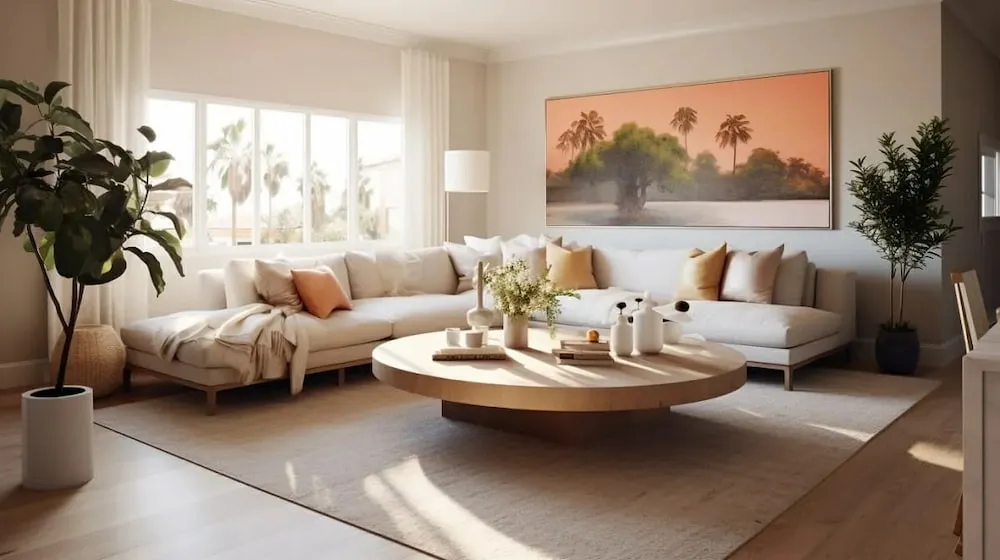
Interior Design Training | A Complete and Practical Guide from Beginner to Professional
Design Beauty with Purpose!
Interior design combines creativity, technical principles, and an understanding of personal tastes. Mastering this skill helps you arrange living, working, and recreational spaces to be both functional and aesthetically pleasing. Whether you’re planning to enter the field or want to redesign your home effectively, this educational guide—filled with ideas and practical tips—is here to help. Bonyan, one of the top architecture and interior design groups, is ready to guide you every step of the way.
If you’re looking for a blend of modern and traditional styles, exploring examples of interior design in Oman can offer great insights and inspiration.
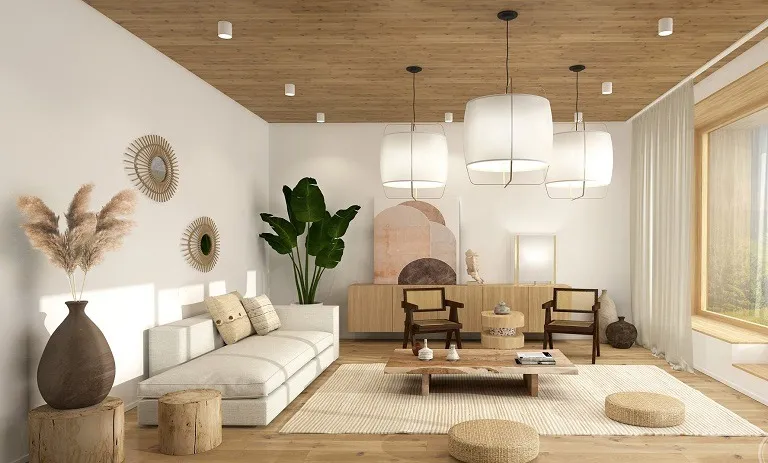
Why Learning Interior Design Matters
Before diving into the learning process, it’s important to understand why mastering interior design is essential. A well-designed interior not only enhances the beauty of a space but also improves its functionality and the quality of life. Here are some key reasons why learning interior design is valuable:
| Advantage | Explanation |
|---|---|
| Aesthetic Enhancement | Proper use of color, light, and layout transforms bland spaces into inviting ones. |
| Cost-Efficiency | Good design prevents unnecessary and expensive purchases. |
| Career Opportunities | Interior design skills open doors to residential and commercial projects. |
| Quality of Life | Well-designed spaces foster greater comfort and mental well-being. |
Step-by-Step Guide to Learning Interior Design
To effectively learn and apply interior design principles, follow a structured and purposeful path. Here’s an overview of the core steps with practical explanations:
1. Learn the Fundamentals of Interior Design
Start with the basics. Foundational concepts help you arrange elements logically and harmoniously in any space:
Focal Point: The main feature that draws attention in a room, such as a fireplace, TV, or artwork.
Visual Balance: Even distribution of visual weight; symmetry often contributes to balance.
Rule of Three: Grouping items in threes enhances visual interest and flow.
Proportion and Scale: Choose furnishings and decor that are in harmony with the room’s size; oversized furniture can overwhelm small spaces.
2. Interior Design for Residential Spaces
Each area in a home requires specific ideas and strategies. Here’s a breakdown of key spaces with design suggestions:
| Room | Practical Idea | Pro Tip |
|---|---|---|
| Living Room | Use layered lighting | Add mirrors to increase depth |
| Kitchen | Two-tone cabinets with minimalist handles | Install hidden lights under cabinets |
| Bedroom | Soft, warm colors | Use feature wall behind the bed |
| Bathroom | Patterned tiles with metallic accessories | Choose modern sinks with LED lighting |
| Balcony/Terrace | Vertical plant arrangements | Use foldable or compact furniture to save space |
3. Color and Material Selection Principles
Colors and materials define the identity of a space and breathe life into it. Understanding how to combine colors and select common materials is a vital part of interior design training.
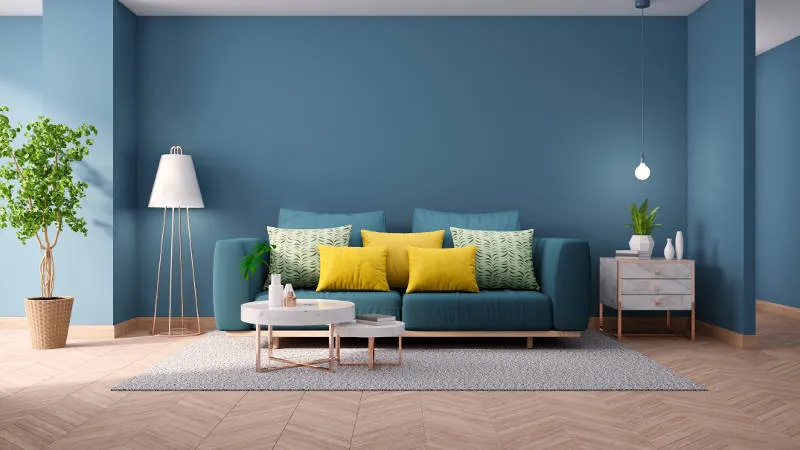
Color Theory Essentials:
Before designing, establish a color scheme. Common approaches include:
Complementary Colors: Opposite on the color wheel (e.g., blue and orange) to create strong contrast.
Analogous Colors: Neighboring colors on the wheel (e.g., blue, teal, turquoise) for a calm and cohesive look.
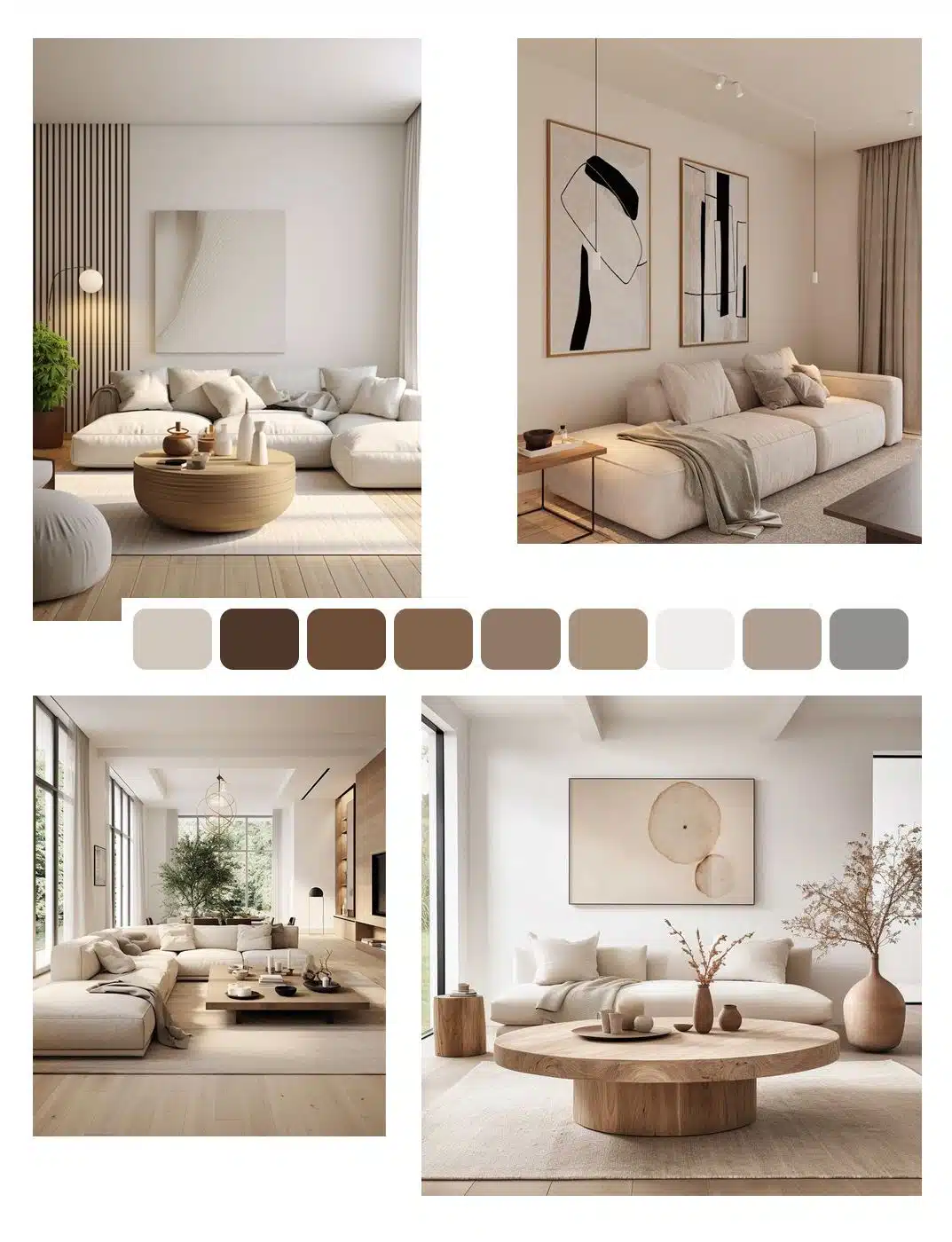
Neutral Colors: White, gray, and beige serve as a base for integrating other design elements.
Common Materials in Interior Design:
| Material | Application | Key Features |
|---|---|---|
| Wood | Flooring, furniture, wall panels | Warm and natural |
| Stone | Accent walls, floors | Luxurious and durable |
| Metal | Modern or industrial details | Sturdy and cool-toned |
| Exposed Concrete | Walls and modern floors | Bold and industrial |
4. Lighting Design in Interiors
Lighting is crucial in bringing any interior to life. A skilled designer uses three types of lighting:
Ambient Lighting: General lighting such as chandeliers or ceiling lights.
Task Lighting: Focused light for activities like reading or cooking.
Accent Lighting: Highlights art, sculptures, or architectural elements.
💡 Combining all three layers of lighting adds dimension and sophistication to your space.
5. Designing Commercial and Office Interiors
Workspaces must be both visually appealing and functional. Designing for commercial spaces involves these key principles:
Brand Identity: Incorporate company colors and visual elements.
Functional Layout: Separate areas for staff, meetings, and reception with furniture or partitions.
Ergonomics: Use ergonomic furniture to support comfort and health.
6. Best Interior Design Software
To turn concepts into real designs, you need to be proficient in design software. These tools help you draw floor plans, model in 3D, and create high-quality renderings.
| Software | Use | Skill Level |
|---|---|---|
| SketchUp | Fast 3D modeling | Beginner to Intermediate |
| AutoCAD | Technical drawings and floor plans | Professional |
| 3Ds Max + V-Ray | Advanced rendering | Expert |
| Photoshop | Image editing and final touches | Intermediate |
Design the Space of Your Dreams!
If you used to only notice the surface of a room, now you can analyze the details and approach design with fresh insight. Learning interior design equips you with the tools to transform and enhance your environment. Whether your goal is to improve your own home or launch a career, you’ve now taken your first step.
Rich cultural expression combined with artistic detail has made architecture in Oman a unique regional example, often influencing interior design concepts as well.
📞 Request an Interior Design Consultation Today!
The expert team at Bonyan is ready to provide professional consultation and complete execution of residential, office, and commercial projects. Contact us to bring out the best version of your space.