
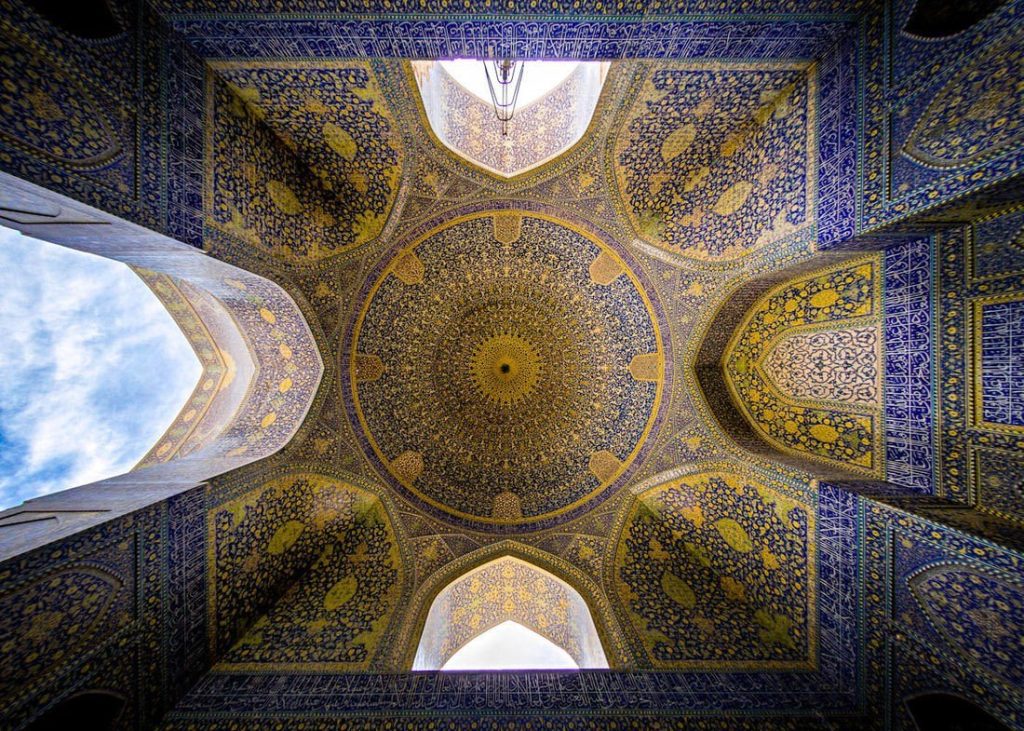
What is Islamic Architecture? | 10 Masterpieces That Astonished the World
Islamic architecture is recognized as one of the most significant and magnificent architectural styles in human history. These masterpieces showcase beauty and precision in design while being deeply connected to Islamic culture, history, and faith. In this article, we will introduce you to 10 of the greatest examples of Islamic architecture worldwide, each telling a unique story of art, science, and Islamic civilization. Join us to explore these architectural wonders and appreciate their hidden beauty.
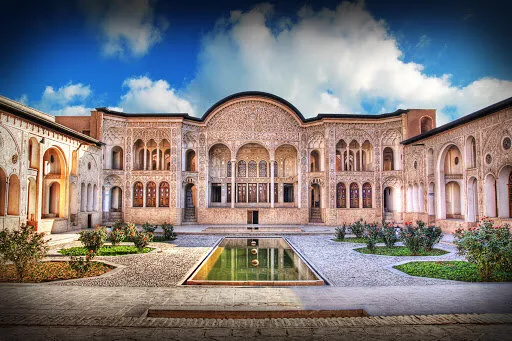
Islamic Architecture: A Fusion of Art and Faith
Islamic architecture embodies a harmonious blend of art and spirituality, creating breathtaking masterpieces that captivate the eyes and immerse the soul in profound tranquility.
From the very beginning, Islamic architecture has been an artistic expression of the connection between humans and their Creator. When examining the design of mosques, madrasas, and even Islamic palaces, it becomes evident that every element and detail is crafted with precision, symmetry, and a reflection of divine perfection. The use of intricate geometric patterns, endless arabesque motifs symbolizing the infinity of creation, and the presence of light that adds a sacred ambiance all narrate a tale of faith intertwined with art.
Islamic Architecture in UNESCO’s World Heritage List
Whenever UNESCO’s World Heritage List is mentioned, we recall monuments representing diverse cultures and national identities. But did you know that a significant portion of this list consists of Islamic architectural marvels? From the majestic Taj Mahal in India to the Great Mosque of Córdoba in Spain, each structure serves as a testament to the profound influence of Islamic civilization on global art and culture.
UNESCO acknowledges these sites not only for their visual grandeur but also for their historical and cultural significance, bridging civilizations and cultures. For instance, the Alhambra Palace in Spain exemplifies how Islamic architecture has influenced European art, seamlessly blending Islamic aesthetics with local traditions.
10 Iconic Masterpieces of Islamic Architecture
Islamic architecture stands as a symbol of Islamic grandeur and unparalleled artistic excellence. Although there are countless examples, here are ten of the most iconic architectural masterpieces, each reflecting a unique aspect of Islamic art and culture.
1. Masjid al-Haram – The Heart of Islamic Architecture in Mecca
Masjid al-Haram is not only the largest and holiest place of worship for Muslims but also one of the most sophisticated examples of Islamic architecture in history. Its design, which has evolved over centuries, showcases grand arches, symmetrical columns, and expansive prayer halls to accommodate millions of worshippers.
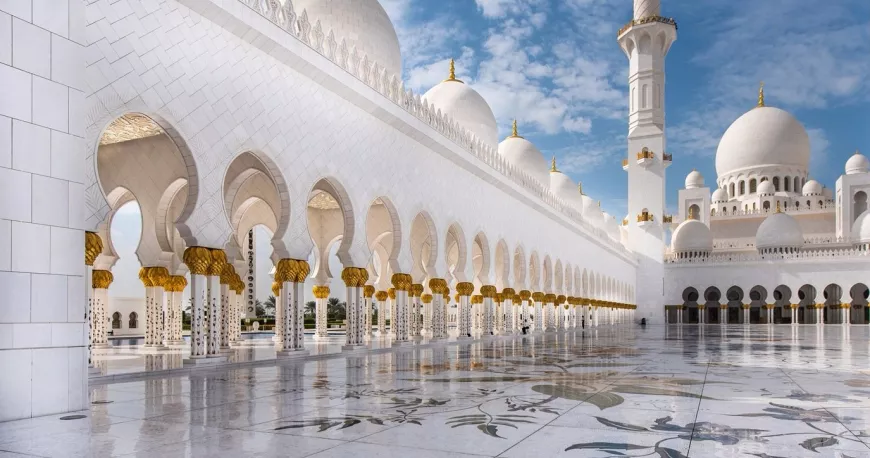
The mosque’s architectural marvel lies in its balance between traditional elements such as mihrabs and minarets and modern innovations like retractable bridges and advanced climate control systems.
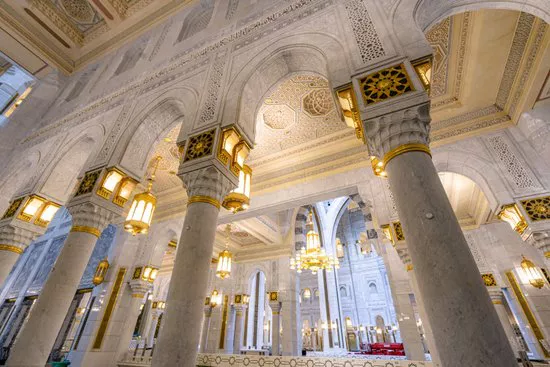
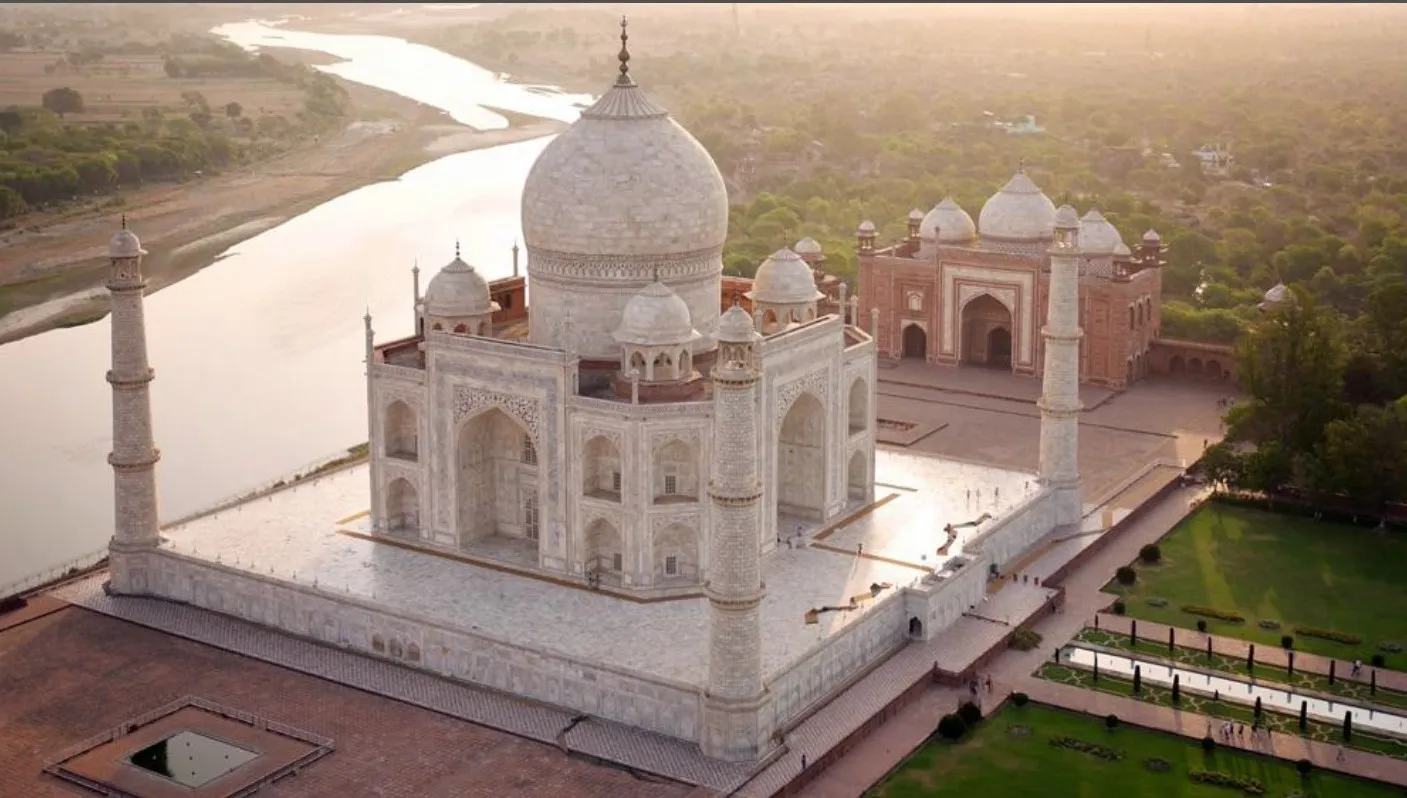
2. The Taj Mahal – A Fusion of Love and Islamic Architecture in India
The Taj Mahal is not just famous for its romantic history but also as an architectural masterpiece. Made of pristine white marble, its intricate inlays of rubies, emeralds, and turquoise create mesmerizing patterns.

The central dome, rising 35 meters, is flanked by four minarets in perfect symmetry. Its Quranic inscriptions and Persian-influenced gardens reflect the Islamic vision of paradise, making it a timeless symbol of love and devotion.
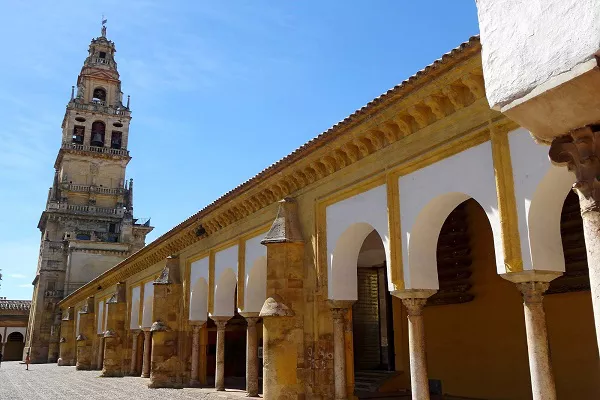
3. The Great Mosque of Córdoba – A Symbol of Islamic Civilization in Spain
The Great Mosque of Córdoba is a testament to the Golden Age of Islamic Spain (Al-Andalus). Its horseshoe arches, intricate calligraphy, and interplay of light and shadow create a serene yet majestic atmosphere.
This masterpiece has influenced Gothic architecture in Europe, demonstrating the enduring impact of Islamic art on Western styles.
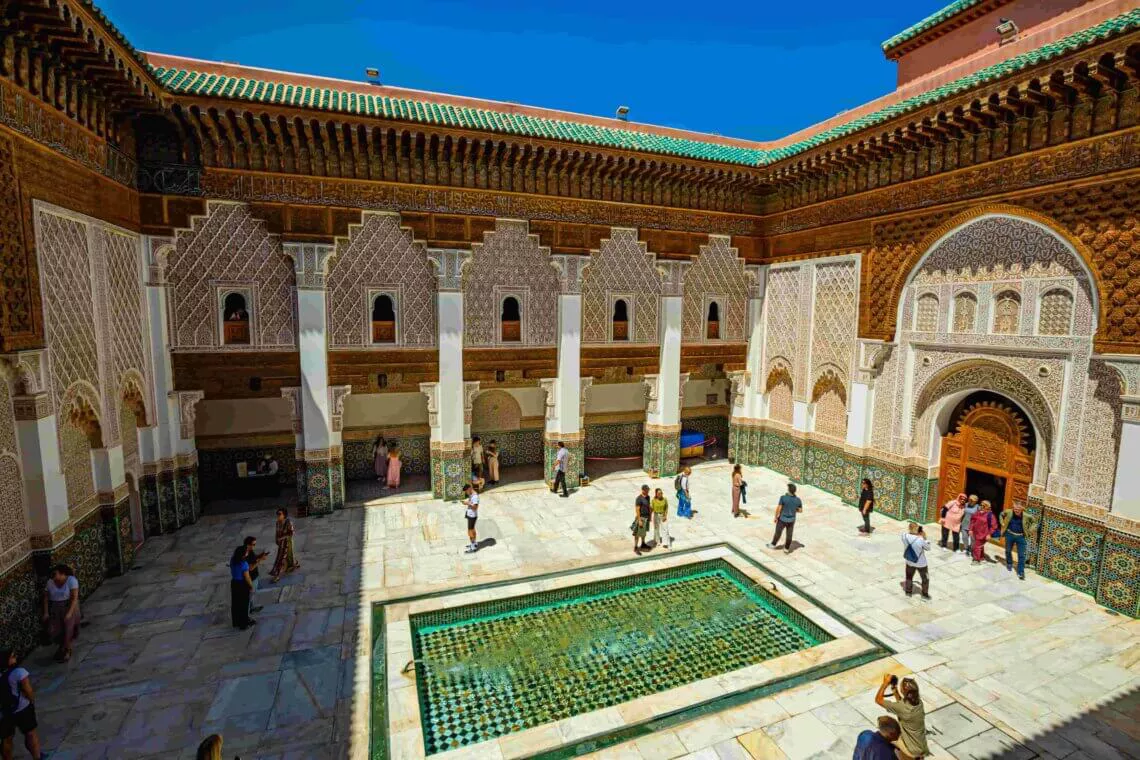
4. Ben Youssef Madrasa – A Magnificent Educational Institution in Morocco
One of the most remarkable Islamic educational institutions, the Ben Youssef Madrasa in Marrakesh is adorned with stunning zellij tilework, intricate wood carvings, and poetic calligraphy.
Built in the 14th century, it was not just a center of learning but also a representation of the grandeur of Islamic art and intellectual pursuit.
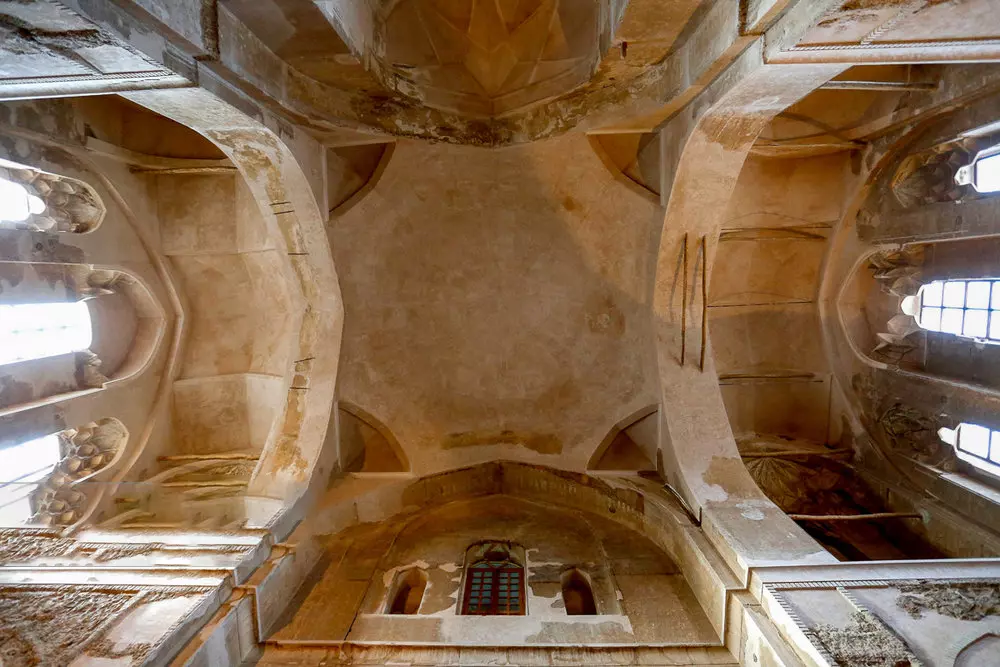
5. The Soltaniyeh Dome – A Masterpiece of Persian-Islamic Architecture
Located in Zanjan, Iran, the Soltaniyeh Dome is one of the world’s largest brick domes. Built in the Ilkhanid period, it showcases advanced construction techniques and remarkable Persian-Islamic artistry.
Standing over 50 meters tall, it features exquisite plasterwork and tile mosaics, exuding both spiritual and architectural magnificence.
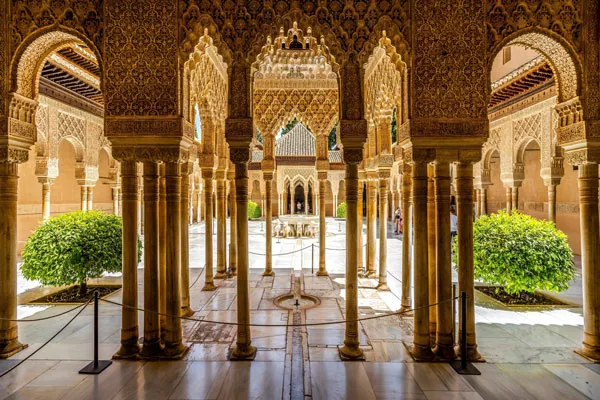
6. The Alhambra Palace – A Jewel of Islamic Architecture in Spain
The Alhambra Palace in Granada is a stunning example of Moorish architecture, featuring exquisite geometric patterns, poetic Arabic inscriptions, and breathtaking courtyards.
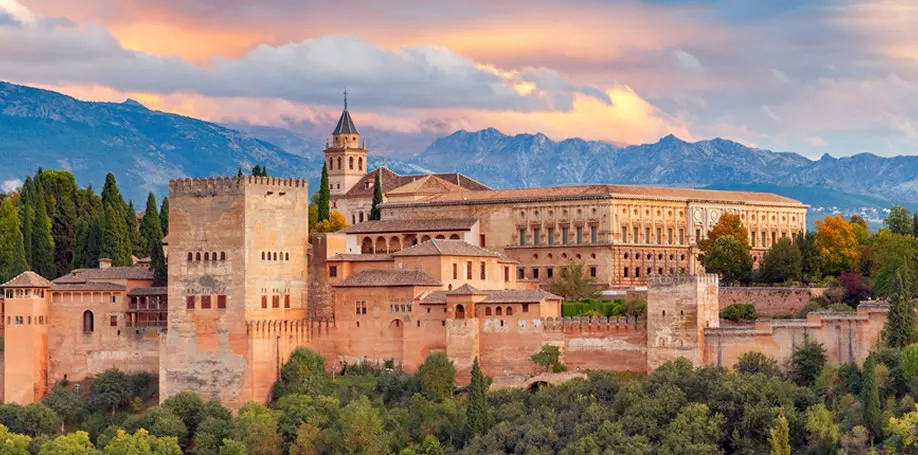
Built in the 13th century, it represents the peak of Islamic civilization in Spain, with flowing water features, celestial-themed ceilings, and an awe-inspiring harmony between light and space.
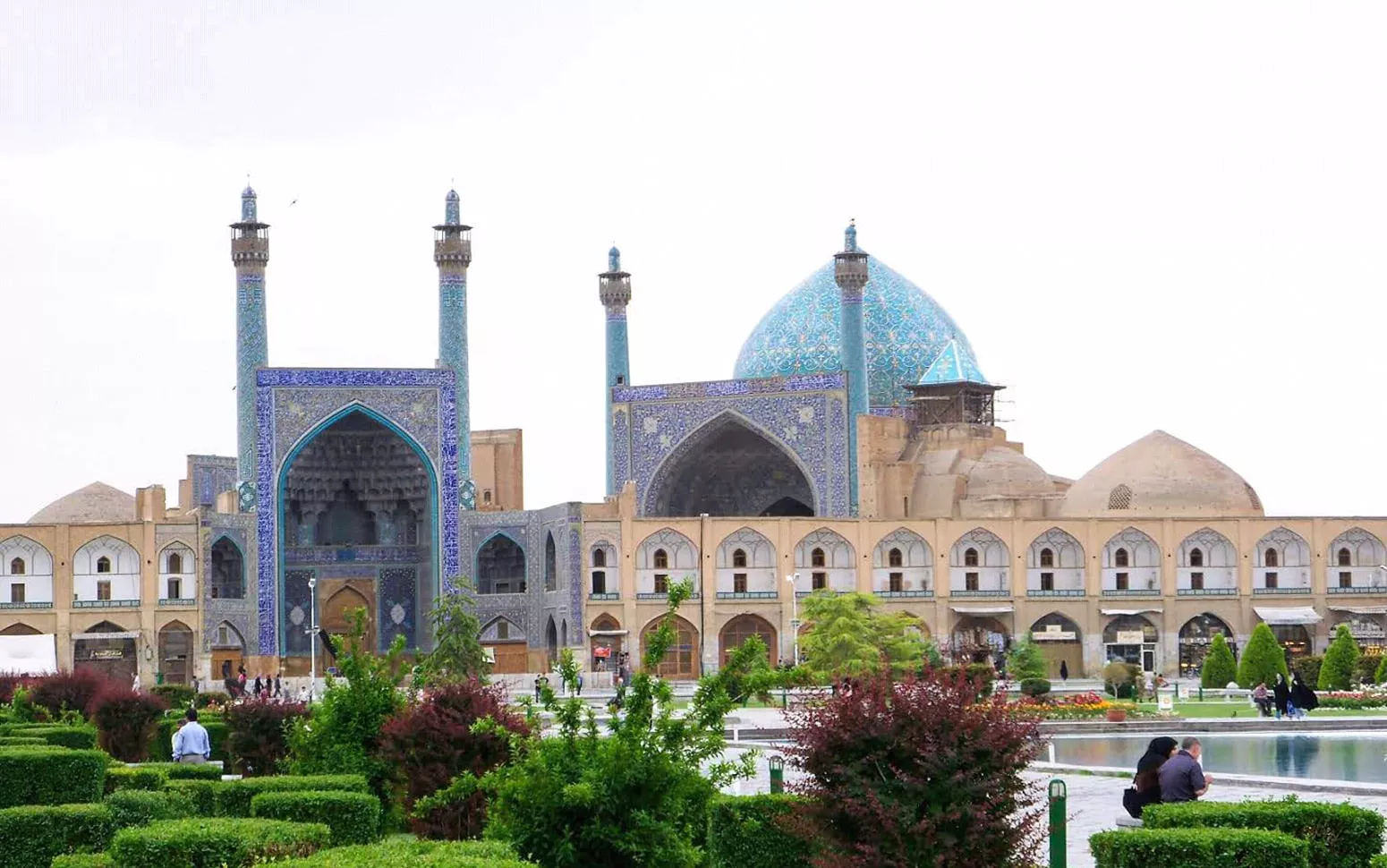
7. The Shah Mosque of Isfahan – A Masterpiece of Safavid Architecture
The Shah Mosque (Imam Mosque) in Isfahan, Iran is a prime example of Persian-Islamic architecture from the Safavid era.
Its towering turquoise dome, magnificent tilework, and intricate muqarnas decorations make it one of the most breathtaking mosques in the world.
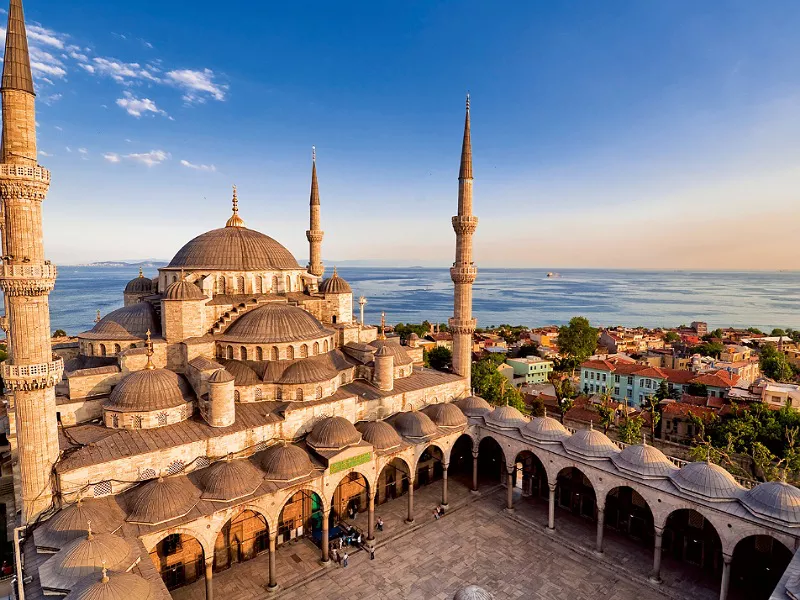
8. Sultan Ahmed Mosque – The Iconic Blue Mosque of Istanbul
Known as the Blue Mosque, the Sultan Ahmed Mosque in Istanbul blends Ottoman and Byzantine architectural influences.
Famous for its six towering minarets and blue Iznik tiles, its grand domes and cascading interior light create an ethereal ambiance.
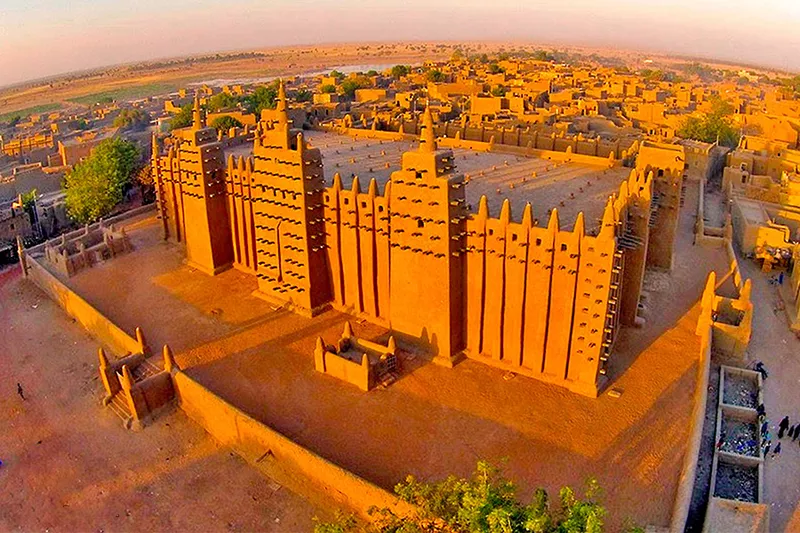
9. The Great Mosque of Djenné – A Marvel of Islamic Architecture in Africa
Located in Mali, West Africa, this mosque is the largest mud-brick structure in the world. Built with traditional earthen materials, it represents the adaptive ingenuity of Islamic architecture in harsh desert climates.
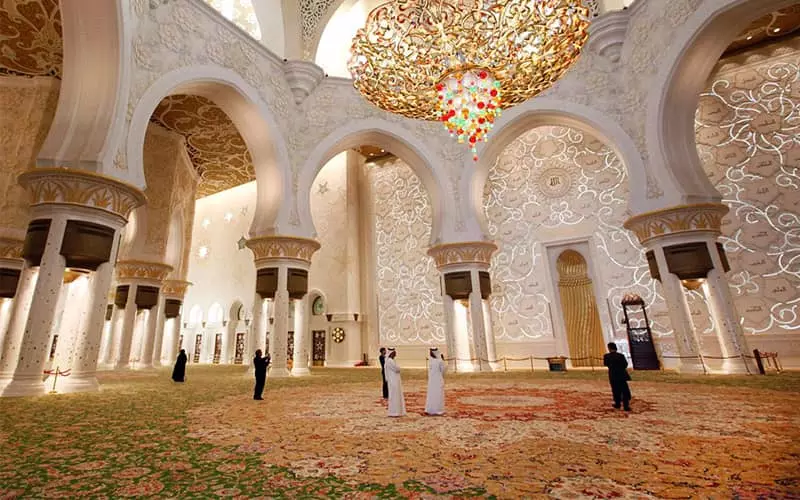
10. Sheikh Zayed Grand Mosque – A Modern Islamic Architectural Wonder
Located in Abu Dhabi, the Sheikh Zayed Grand Mosque is a blend of traditional Islamic motifs and modern architectural advancements.
Featuring 82 domes, the world’s largest handwoven carpet, and crystal chandeliers, this mosque honors Islamic heritage while embracing contemporary innovations.
Islamic Architecture: A Bridge Between Cultures and Civilizations
Islamic architecture has always served as a bridge connecting cultures. From Spain to India, its influence is seen in historic and contemporary designs.
For example, Taj Mahal incorporates Islamic and Indian architectural elements, while Alhambra Palace highlights the cultural exchange between Muslims and Europeans.
Even today, modern architects draw inspiration from Islamic motifs, using domes, arches, and geometric patterns to create tranquil yet aesthetically stunning spaces.
These extraordinary monuments represent the grandeur of Islamic culture and art, leaving a lasting legacy worldwide. Have you visited any of these architectural marvels? Share your thoughts and experiences in the comments below!