
How to Design a Productive and Personalized Workspace?
Have you ever wondered why some days you feel full of energy and creativity, while on other days, you struggle to complete even simple tasks? Well, one of the main reasons could be your workspace.
In this article, we’ll help you create a space that boosts both creativity and productivity. Let’s get started!
Why Is a Dedicated Workspace Important?
The Impact of Your Work Environment on Productivity and Creativity
Imagine trying to work in the middle of your living room, with the TV blaring and family members chatting around you. How well can you focus on your important project?
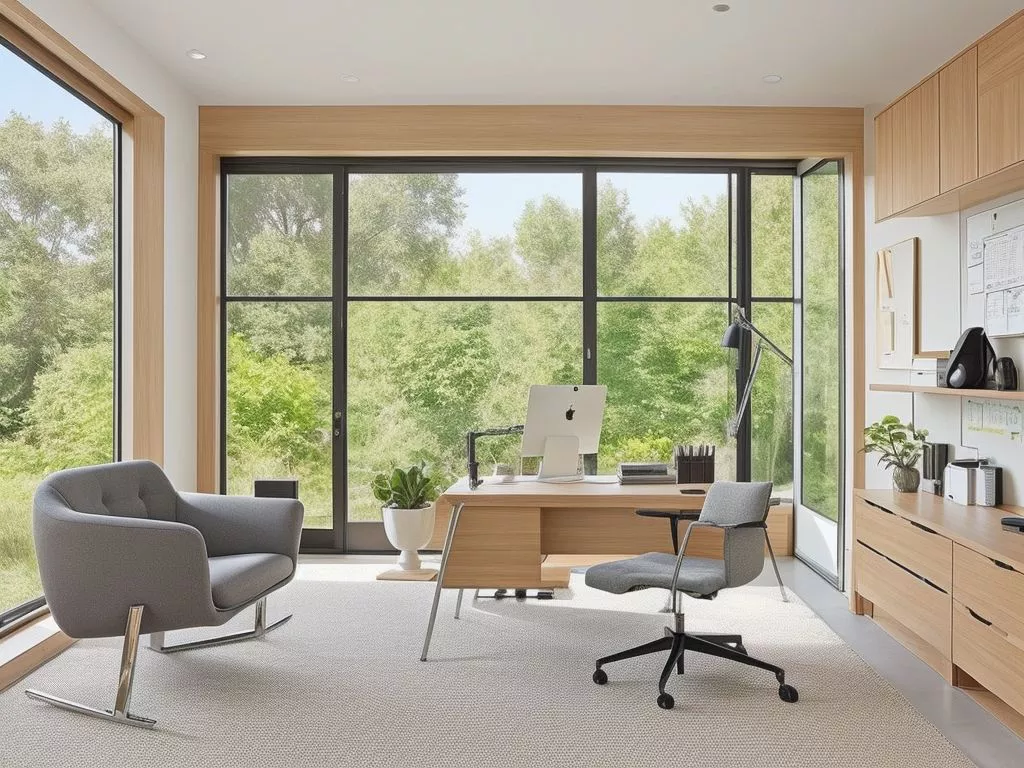
A dedicated workspace allows you to concentrate fully on your tasks. This space is exclusively yours, and as soon as you step into it, your mind automatically shifts into work mode. This simple change can dramatically boost productivity.
Additionally, a well-designed workspace acts as a launchpad for creativity. A bright, organized, and inspiring environment encourages idea generation and problem-solving. If you’re serious about career growth and mental clarity, having a specific workspace is essential.
What Makes an Ideal Workspace?
Lighting – The Key to a Pleasant and Energetic Environment
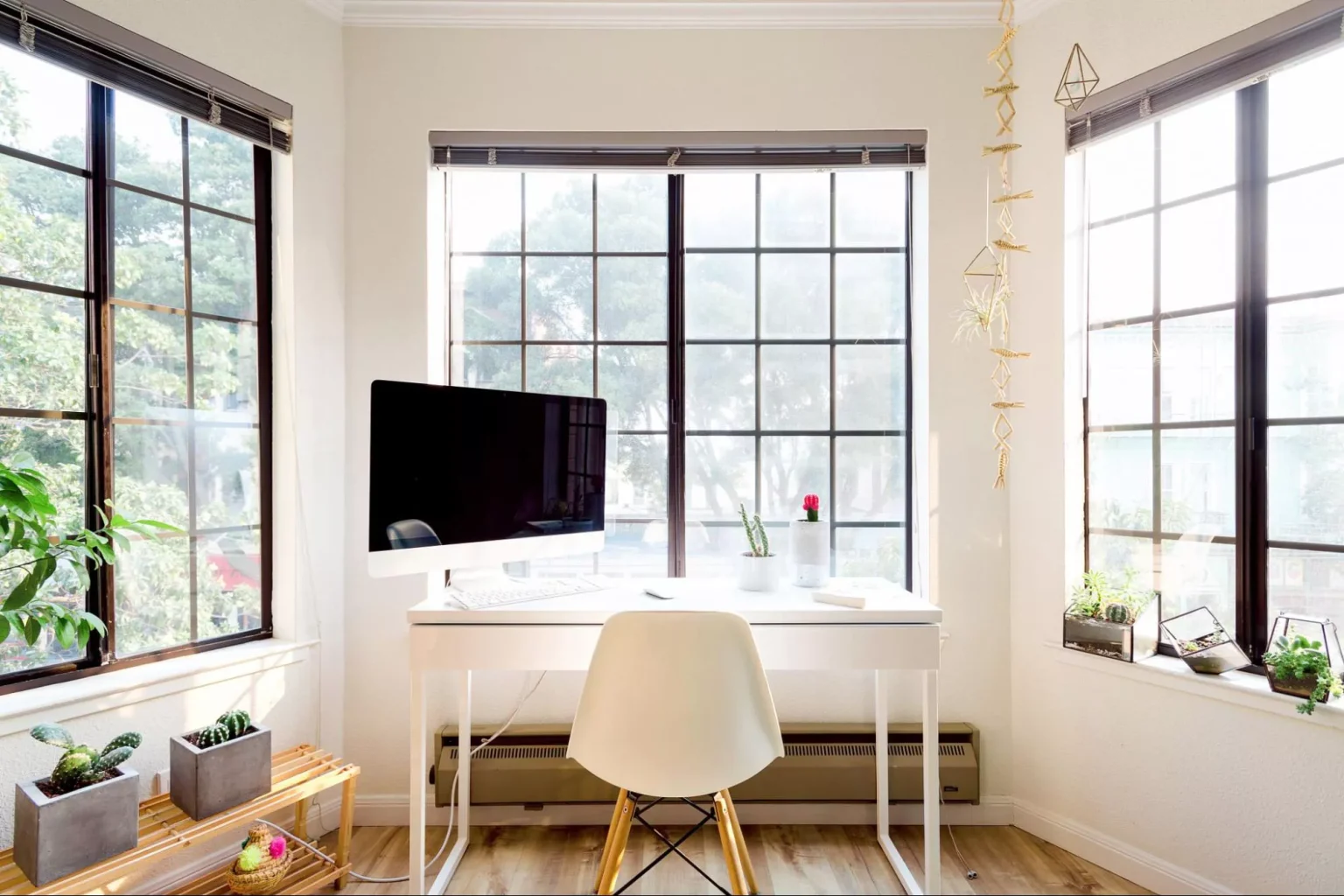
Good lighting is like fresh air—it’s essential. Natural light is the best option, so placing your desk near a window can significantly boost your mood and energy.
If natural light is limited, LED desk lamps with cool white light can reduce eye strain and enhance concentration.
Arrangement – A Balance of Functionality and Aesthetics
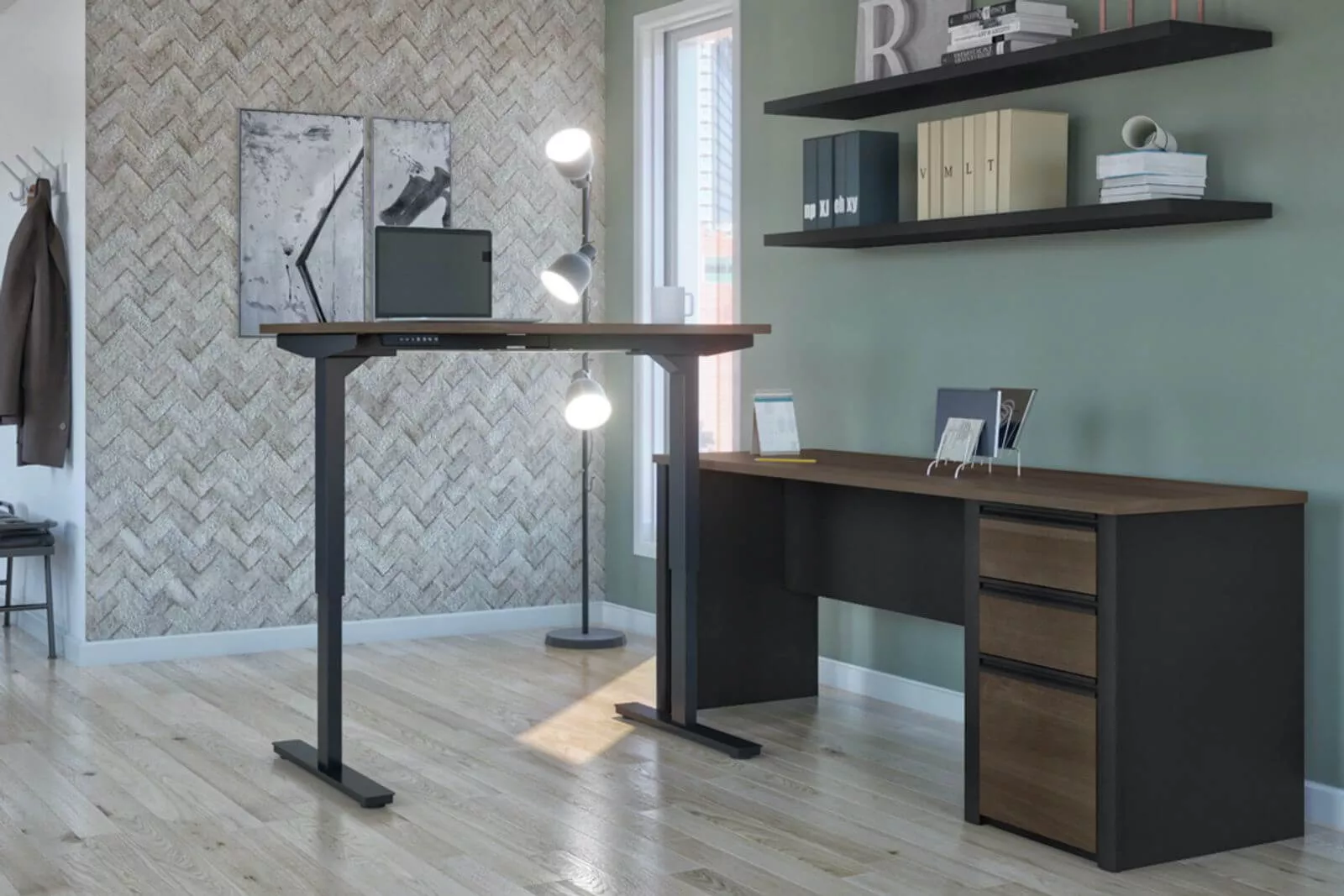
Everything should have its designated place. A desk with ample space for your laptop, notebook, and a few books is ideal. If space is limited, wall-mounted shelves can provide extra storage while enhancing the workspace’s aesthetics.
Colors – How They Influence Your Mind
- White & Gray: Enhance focus and clarity.
- Blue & Green: Encourage creativity and relaxation.
- Yellow & Orange: Boost energy and motivation.
- Patterned Wallpaper: Adds a unique touch to your workspace.
How to Create a Workspace on a Budget?
Maximizing What You Already Have
- Repurpose an old desk by repainting it.
- Use storage boxes for organizing files and books.
Affordable Yet Stylish Decor
- DIY Wall Art: Frame your own sketches, postcards, or family photos.
- LED Desk Lamps: Small, modern table lamps provide budget-friendly lighting.
- String Lights or LED Strips: Add an aesthetic touch without breaking the bank.
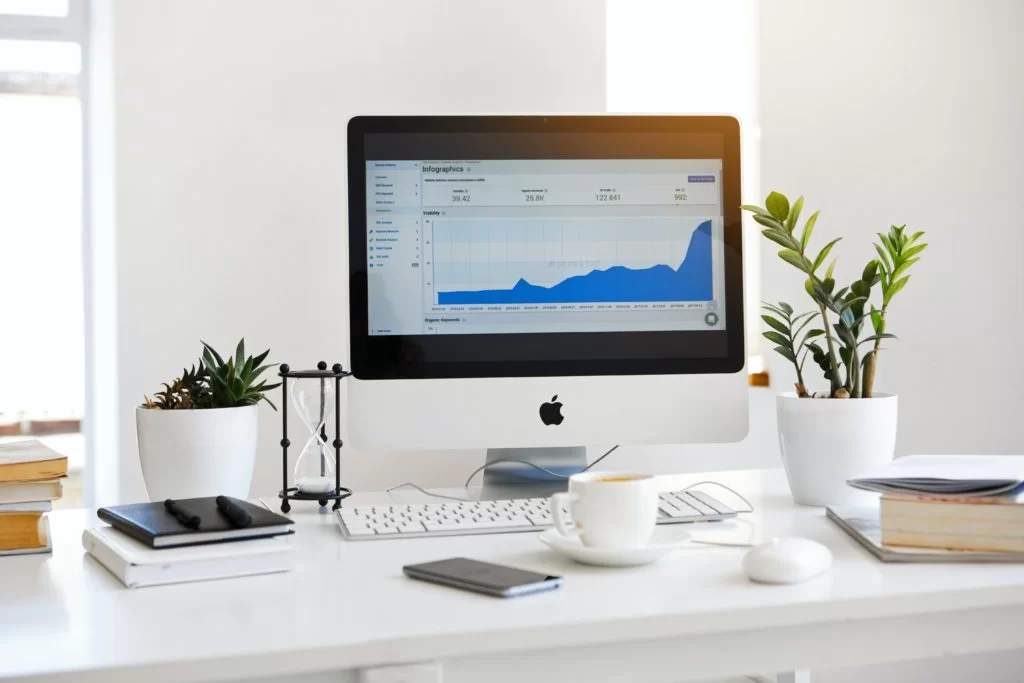
The Role of Ergonomics in a Productive Workspace
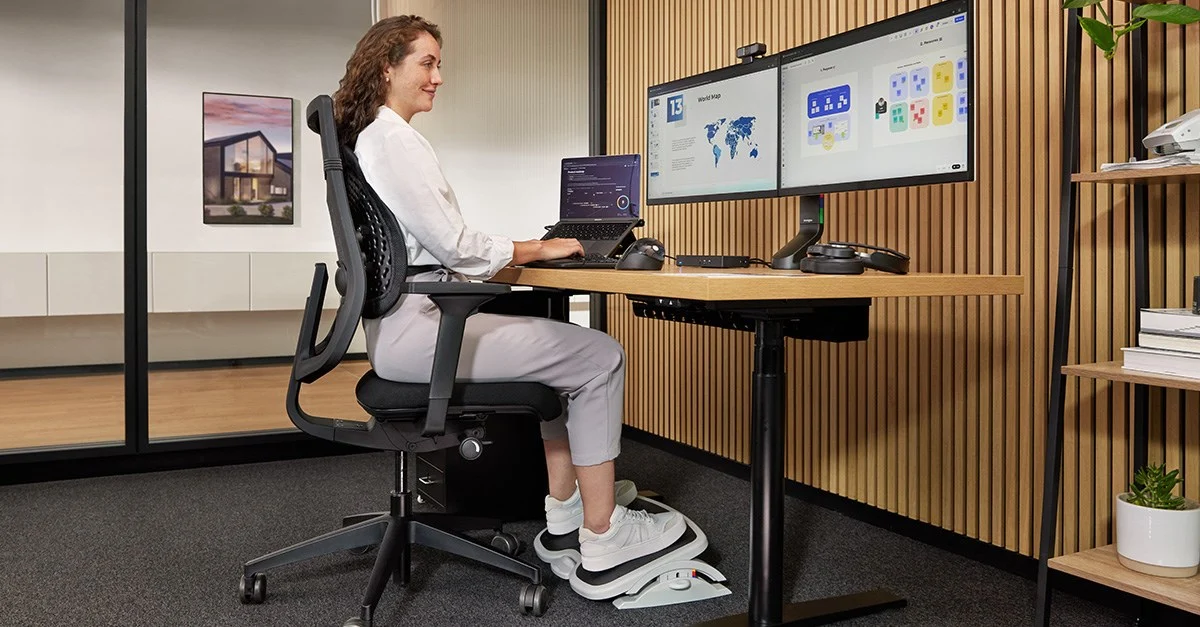
Investing in a good chair is an investment in your health. If you sit for long hours, ensure your chair has proper back support and adjustable height to prevent back and neck pain.
Your desk height should allow direct eye contact with your monitor, keeping your neck in a natural position. Other ergonomic essentials include:
✔ Footrest for comfort.
✔ Ergonomic keyboard for wrist support.
✔ Mouse pad with wrist support to prevent strain.
How to Personalize Your Workspace?
Your workspace should reflect your personality. Here are simple ideas to make it uniquely yours:
✔ Indoor Plants: A small plant on your desk can refresh the air and boost positive energy.
✔ Photos & Memories: Display travel pictures or family portraits to keep you motivated.
✔ Artwork: Hang motivational quotes or your own artwork to add creativity.
Home Office vs. Traditional Office – Which One Suits You Best?
Home Office – Comfortable but Challenging
✔ Pros:
- More flexibility in setting work hours.
- No commute or travel expenses.
- A personalized environment tailored to your needs.
✖ Cons:
- More prone to distractions from family and household activities.
- Harder to maintain a work-life balance.
Traditional Office – Professional but Restrictive
✔ Pros:
- A structured environment with fewer distractions.
- Opportunities for collaboration and learning.
- Access to professional equipment and meeting rooms.
✖ Cons:
- Limited control over workspace design.
- Daily commute can be costly and time-consuming.
If you need high focus, a traditional office may be better. If you value creativity and flexibility, a home office might be the perfect fit.
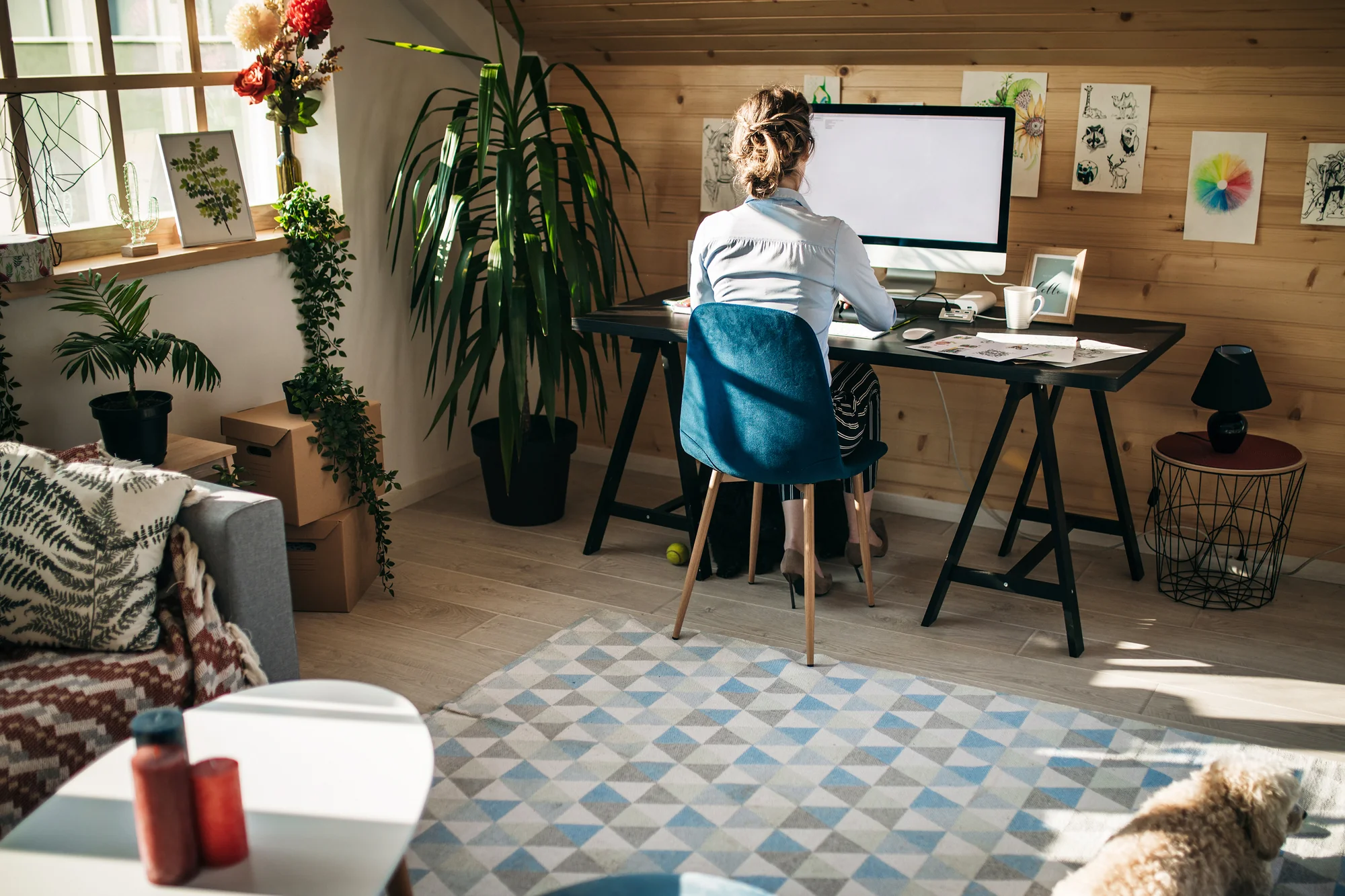
How to Design a Small Workspace?
Even if you have limited space, you can still create an efficient and stylish workspace:
✔ Use Wall-Mounted Shelves to free up floor space.
✔ Opt for Foldable Desks to maximize flexibility.
✔ Choose Multipurpose Furniture like storage-integrated chairs.
✔ Install Smart Lighting for both functionality and decoration.
How Colors and Decor Influence Work Motivation
- Cool Colors (Blue & Green): Reduce stress and improve concentration.
- Warm Colors (Yellow & Orange): Boost energy and enthusiasm.
- Neutral Colors (White & Gray): Convey cleanliness and professionalism.
Decor Tips to Enhance Motivation
✔ Inspirational Wall Art: A quote board can remind you of your goals.
✔ Balanced Lighting: Mix warm and cool lighting for optimal mood control.
✔ Greenery: Plants improve air quality and relaxation.

Designing a Collaborative Workspace for Teams
Balancing individual and shared workspaces is key to effective teamwork.
Best Office Layout Ideas for Team Productivity
✔ Shared Workspaces: Large group desks and meeting rooms for collaboration.
✔ Private Areas: Partitions or quiet rooms for focused tasks.
✔ Relaxation Zones: Comfortable seating areas to reduce stress and enhance creativity.
The Importance of Natural Light in Workspaces
Studies show that natural light:
✔ Boosts mental health by reducing stress.
✔ Enhances productivity by increasing alertness.
✔ Prevents eye strain and headaches caused by artificial lighting.
If possible, position desks near windows and use light-filtering curtains instead of heavy ones.
How to Optimize Your Space for Virtual Meetings?
✔ Lighting: Use natural light or ring lights for a clear video presence.
✔ Audio: Invest in a high-quality microphone and noise-canceling headphones.
✔ Background: Keep it simple and clutter-free or use virtual backgrounds if needed.
Designing a Workspace That Encourages Creativity
To stimulate creativity, incorporate elements that spark imagination:
✔ Vibrant Colors: Energizing hues like yellow & red or pastel palettes.
✔ Idea Board: A visual space for brainstorming and sketching ideas.
✔ Flexible Layout: Movable desks & modular furniture to adapt to different needs.

Creating a Flexible Workspace
✔ Formal Areas: Standard desks and chairs for meetings and deep work.
✔ Informal Areas: Couches & low tables for casual discussions.
✔ Adjustable Layouts: Use movable partitions and modular furniture to adapt the space.
Final Thoughts
Designing your workspace is about more than just furniture—it’s about creating an environment where you feel focused, inspired, and comfortable.
With a thoughtful approach and a bit of creativity, you can build a workspace that boosts your productivity and enjoyment at work.
What’s your take on personalized workspaces? Do you have a favorite design tip? Share your thoughts in the comments below!