
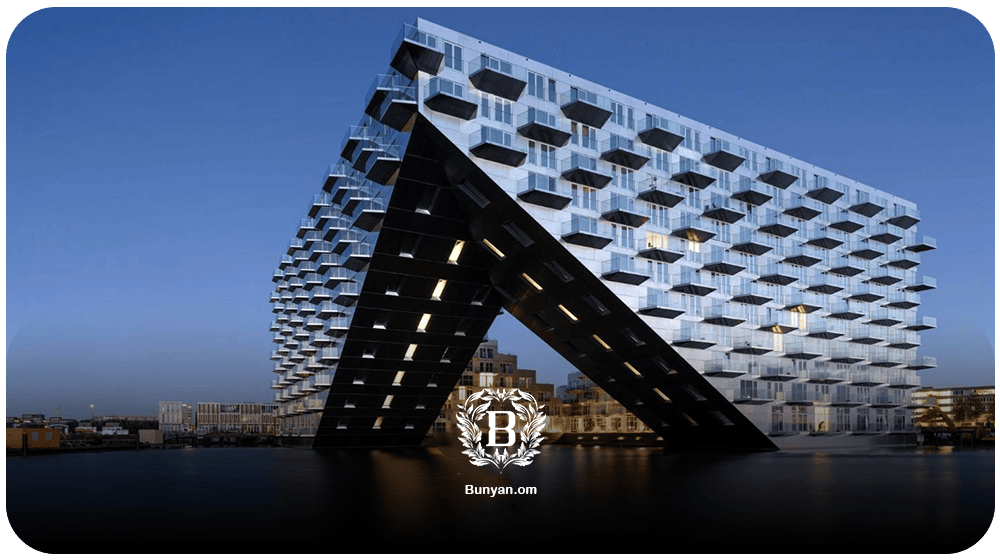
The building façade is the first sight that forms an image in the mind of the observer. True, one can equate the façade with the cover of a book: if professionally designed and motivated by architectural principles, it can effectively convey the value and identity of the building. Over the past few years, the importance of façade design, especially of contemporary-style buildings, has grown greater than ever.
Here in this article, we will talk about 10 golden principles in modern façade design; principles which, if adhered to, can turn your project into an architectural marvel.
Simplicity with Grandeur
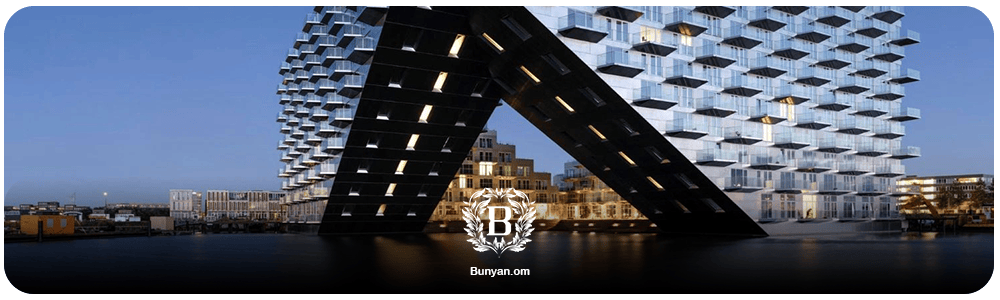
The most identifiable and lasting feature of modern architecture is the philosophy of simplicity. Unlike traditional architecture that requires intense decoration and complex ornaments, modern façades emphasize cleanliness, sleek lines, geometric forms, and minimal compositions.
Simplistic design in today’s day and age is not empty or devoid of soul; it’s that every line, every angle, every material does a purposeful and well-thought-out intention. And what that does is make the eyes of the observer flow across the front without effort and feel balanced and serene.
For instance, by placing lengthy glass surfaces against slender frames or by using surfaceless zones and monochromatic schemes, can, by their simplicity, convey both power and refinement. This kind of design is timelessness—or, a building constructed today will remain as beautiful and contemporary ten years from now.
That is why expert practices such as Bunyan Architecture Group in Mashhad and other cities always ensure that simplicity becomes a central principle in façade design.
Clever Use of Materials
Materials are the core and life blood of any architectural plan, playing a critical role to determine the appearance of a building. In modern architecture, proper choice and use of materials not only bring about aesthetics but also convey luxury, modernity, and exclusivity.
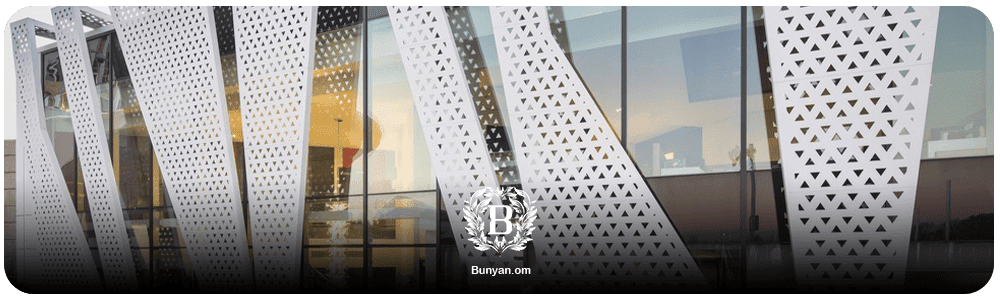
Most of the materials used in modern façades are glass, concrete, wood, and metals such as aluminum, sometimes natural stone. Each one provides its own appearance and emotional response: glass by reflecting light and appearing open, wood offering warmth and proximity, and concrete and metal offering strength and a bold contemporary look.
The astute combination of such materials can bestow an individualized character on a project. For instance, the Bunyan Architecture Group has combined glass with natural stone in its recent works, designing façades that are both luxurious and streamlined. Contrasts of texture and tone bring balance between modern design and nature, turning the façade into an art work worthy of accolades.
In brief, attention to detail in selecting and combining materials is a significant aspect in designing façades which are not only visually appealing but also enduring.
Attention to Light and Shadow
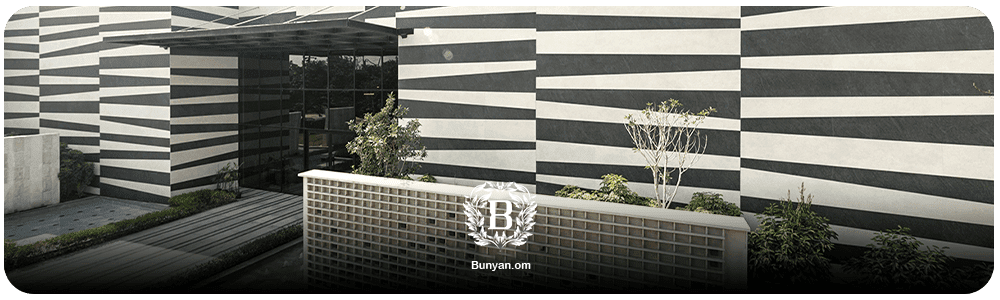
Not a simple issue of night-time appeal, facade lighting begins in design, where a grasp of sunlight and shadow on the building forms is a factor. Light angle and dropping shadows can powerfully affect spatial impression and visual effect.
Skilled use of natural light brightens exterior and interior spaces, generating vibrant and energetic architecture. Great lighting highlights texture, creates visual contrast, and adds depth—transfiguring a bare surface into a stunning architectural feature.
For instance, Bunyan Architecture Group thoroughly considers the path of sunlight in its designs to create facades that evolve over time, producing a unique atmosphere every hour. Not only is it visually appealing but also maximizes user experience, causing the building to become one with the surroundings.
Harmony with the Surroundings
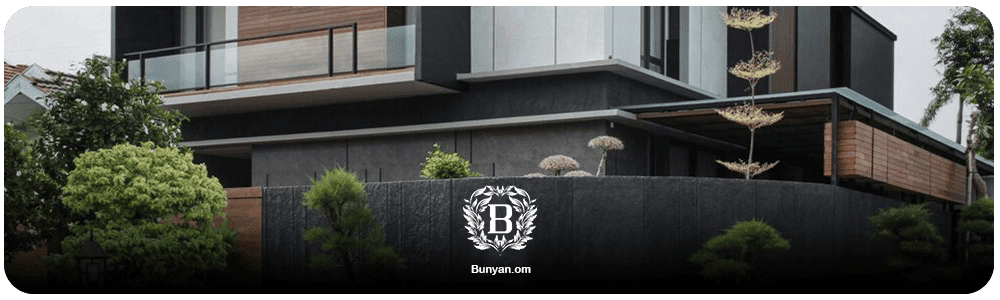
No matter how pleasant or modern a front is, if it doesn’t coexist with its location, it can’t be described as completely successful. Architecture isn’t just a matter of form or costly materials; it is also a discreet dialogue with the city and cultural context where the building resides.
Harmony does not mean imitation of the neighborhood but a balance between innovation and respect for context. When a façade harmonizes with the architecture of its street or district, it contributes to the character of the area and makes citizens feel more at home.
In culturally diverse regions like Mashhad, this sentence may be more relevant. Bunyan Architecture Group did this by injecting local materials and contextual colors into modern works, ensuring that their creations complement the city instead of clashing with it.
It’s enlighteningly simple actually: good design is one which listens to its surroundings and engages with it—becoming integral to the identity of the city as opposed to an outsider object within it.
Functional and Practical Design
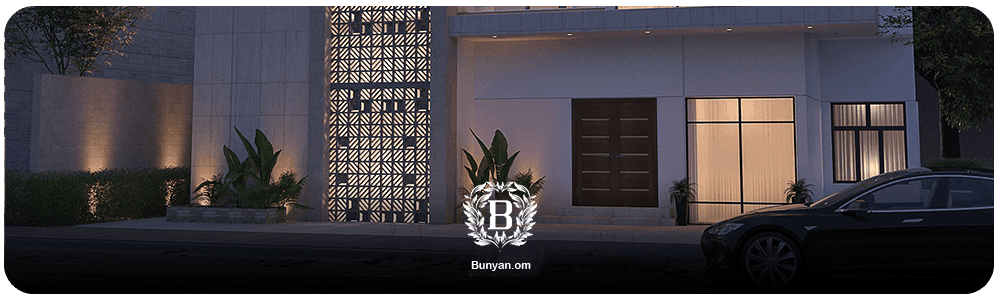
Beauty only accounts for part of modern architecture. It is functionality that makes it worthwhile for a façade. Every design element must have a purpose other than aesthetics.
Big windows, for example, not only create chic modern aesthetics, but they also let in natural light, reducing energy consumption. Shading devices not only create rhythm and visual stimulation, but they also exclude excessive heat gain, placing occupants in thermal comfort.
A successful façade is one that balances beauty and functionality in equal measures.
Horizontal and Vertical Lines
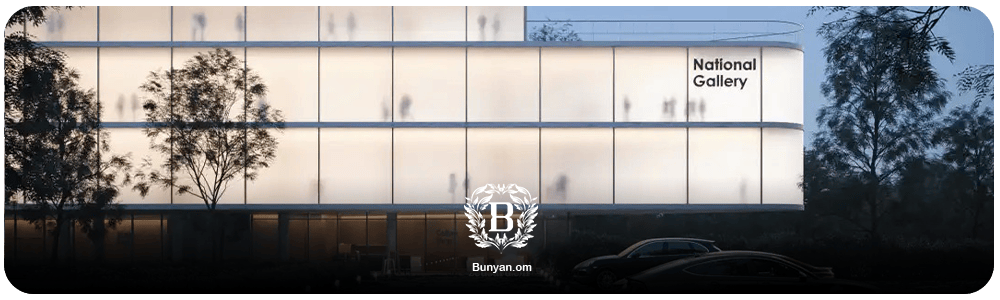
Lines are the most important to determine the ambiance of a modern façade. Serenity and solidity are communicated through horizontal lines, guiding the observer’s eyes naturally across the design. Vertical lines communicate grandeur and strength by drawing the eye upwards.
A balance between the two results in harmony and gives both beauty and identification to the façade.
Sustainability and Green Architecture
Architecture these days is not possible without taking sustainability into account. Buildings must be designed to lower their carbon footprint and energy consumption.
This includes the use of green materials, double-glazed windows to limit energy dissipation, sun-shading systems to control natural light, and smart energy-saving technology.
Not only is this green, but over the long term it saves owners money on building upkeep as well.
Internal and External Consistency
A façade is only worth its full value if consistent with the internal areas of a building. Interior and exterior design are not two separate things but part of one whole idea.
This consistency makes the visitors and users enjoy a smooth architectural identity—from the instant they look at the exterior to when they get into the interior. A good number of clients for Bunyan Architecture Group have been satisfied with this since both façade and interior match each other so well.
Inspiration from Technology and Creativity
The façade design of today is not just a question of implementing new materials—but also one of innovation and futurism. The use of cutting-edge technologies such as lightweight aluminum frames, smart lighting systems, switchable glass, or solar panels demonstrates a vision for the future.
Not only are these types of designs aesthetically pleasing to look at, but they are also smart and green in function.
Integrating Brand Identity into Façade Design
For commercial or office buildings, the façade is the most powerful and significant branding instrument. Shapes, colors, lines, materials, and overall design can all express the values of the brand and leave a lasting impression on customers.
For instance, in the mega-scale commercial projects, Bunyan Architecture Group ensures that the façade provides the visual voice of the brand, making the building a representation of the brand. In doing this, a façade becomes the brand’s ambassador in the cityscape.
Conclusion
Planning contemporary building façades is a multifaceted process that needs experience, creativity, and expertise. Implementing the 10 golden principles from above—simplicity and material choice to lighting, sustainability, and branding—can turn any project into a work of art in the field of architecture.
If you are looking for a reliable team for façade and interior design, Bunyan Architecture Group can be your optimal partner to help you be the best.